
Discover what is skin resurfacing and how it can rejuvenate your skin. Learn about treatments, types, and recovery for a healthier glow!
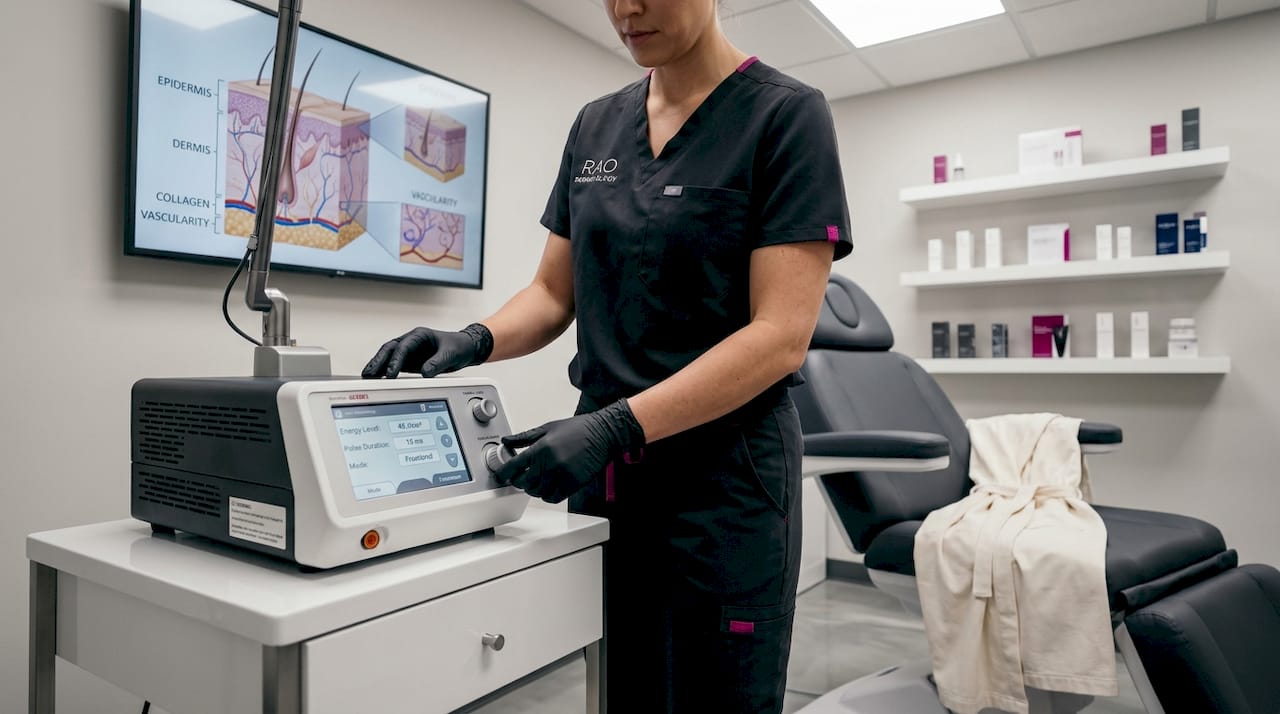
Skin resurfacing is a nonsurgical cosmetic treatment that improves skin texture and appearance by controlled removal or stimulation of the skin’s surface layers. Clinically, the procedure targets damaged or aging skin through laser energy, chemical agents, or mechanical abrasion to trigger collagen remodeling and reveal healthier skin beneath. The most widely used modality is laser skin resurfacing, which delivers pulses of light energy that either vaporize the outer skin layers or heat deeper tissue without surface destruction. Patients typically seek these treatments to address wrinkles, acne scars, sun damage, and uneven pigmentation. Understanding the differences between ablative, nonablative, and fractional techniques is the first step toward choosing the right treatment for your skin.
What is skin resurfacing and how does it work?
Skin resurfacing works by creating controlled injury to the skin, which triggers the body’s natural repair process. That repair process produces new collagen and elastin fibers, resulting in firmer, smoother, and more evenly toned skin over time. The depth and method of that controlled injury determine which technique is being used and how much recovery you should expect.
Laser resurfacing is the gold standard among skin resurfacing treatments, but the category also includes chemical peels and microdermabrasion. Chemical peels use acids like glycolic, trichloroacetic acid (TCA), or phenol to dissolve damaged surface cells. Microdermabrasion uses fine crystals or a diamond-tipped wand to physically buff away the outermost skin layer. Each method activates the same fundamental healing response, though laser treatments offer the most precise depth control and the widest range of treatable concerns.
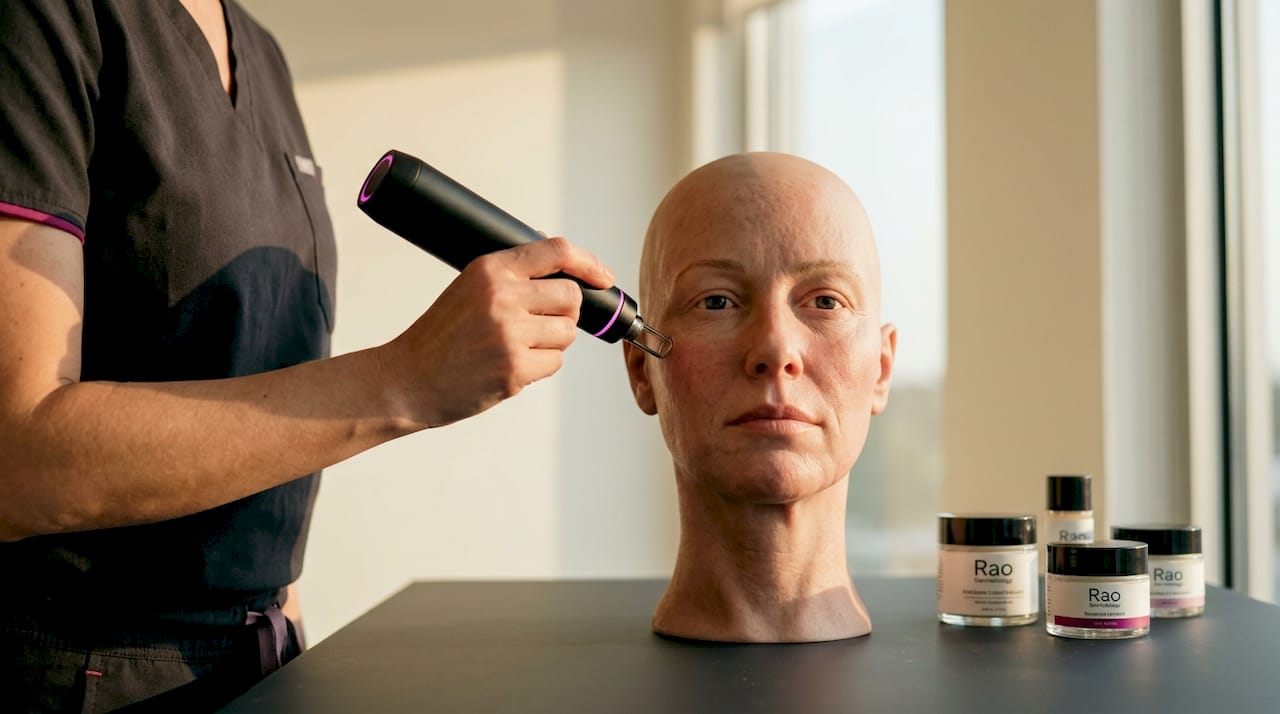
The collagen remodeling phase is what separates resurfacing from a basic facial or exfoliation treatment. Surface healing happens within days, but collagen remodeling continues well beyond that initial wound closure, meaning your skin keeps improving for weeks or even months after the procedure. This delayed benefit surprises many first-time patients who expect all results to appear immediately.
What are the main skin resurfacing techniques and how do they differ?
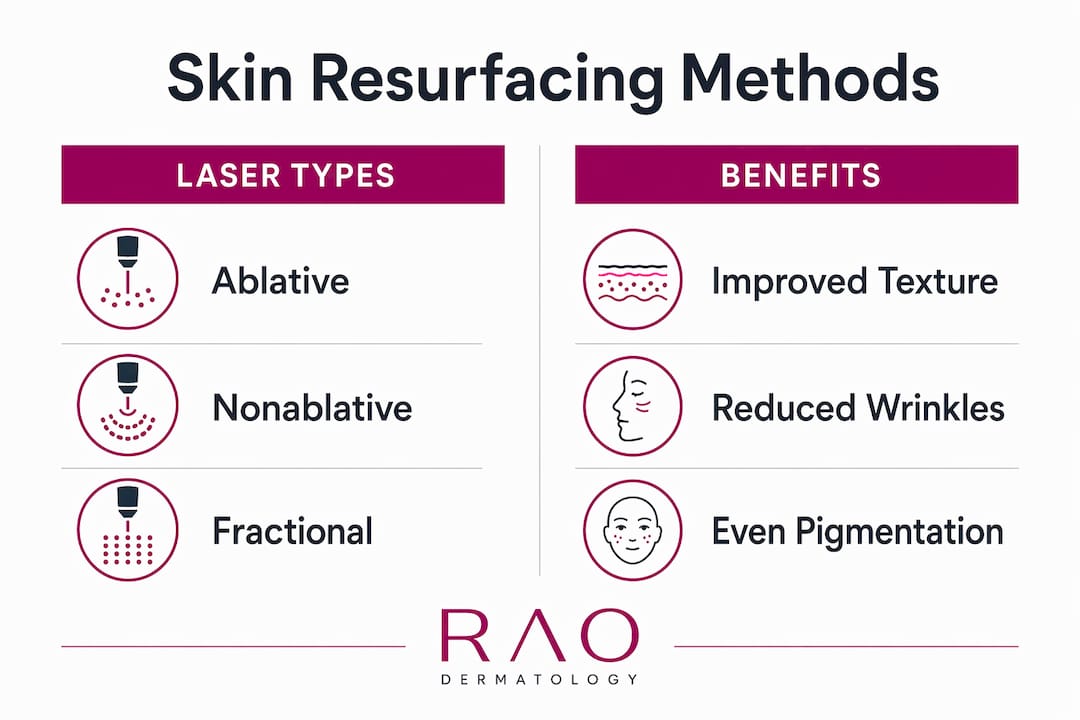
The three core categories of laser-based skin resurfacing techniques are ablative, nonablative, and fractional. Each operates on a different principle, and each carries a different tradeoff between results and recovery time.
Ablative lasers: maximum results, maximum downtime
Ablative lasers physically vaporize the upper layers of skin. The two most common devices are the CO2 laser and the Er:YAG (erbium) laser. CO2 lasers penetrate more deeply and deliver more dramatic results for deep wrinkles and significant scarring, but they require 7 to 10 days for reepithelialization. Er:YAG lasers are gentler, with reepithelialization typically completing in 4 to 7 days. Full healing from ablative treatment, including the collagen remodeling phase, takes approximately 4 to 6 weeks, often with a single session producing visible improvement.
Nonablative lasers: minimal downtime, gradual improvement
Nonablative lasers heat the deeper dermis without destroying the surface skin. This approach preserves the epidermis, which means less redness, no open wound, and a much shorter recovery. The tradeoff is that nonablative treatments typically require 4 to 6 sessions to achieve results comparable to a single ablative treatment. Devices like the Nd:YAG and pulsed-dye lasers fall into this category. Nonablative resurfacing suits patients who cannot afford significant downtime or who have milder skin concerns.
Fractional lasers: the middle ground
Fractional resurfacing is the most significant advancement in laser technology over the past two decades. Instead of treating the entire skin surface, fractional lasers deliver energy in microscopic thermal columns separated by untreated skin. Those untreated zones act as healing reservoirs, dramatically accelerating recovery compared to full-field ablative treatment. Fractional lasers can be ablative (like the fractional CO2) or nonablative (like the Fraxel Restore). Density settings can treat anywhere from 10% to 70% of the skin surface, giving clinicians precise control over the aggressiveness and recovery demands of each session.
| Technique | Mechanism | Downtime | Sessions needed |
|---|---|---|---|
| Ablative (CO2, Er:YAG) | Vaporizes surface layers | 7–10 days (CO2), 4–7 days (Er:YAG) | Usually 1 |
| Nonablative | Heats dermis, no surface removal | Minimal (1–2 days) | 4–6 sessions |
| Fractional ablative | Microscopic columns, untreated skin between | 3–5 days | 1–3 sessions |
| Fractional nonablative | Microscopic heating, no surface removal | 1–2 days | 3–5 sessions |
Pro Tip: If you are comparing laser therapy options and feel overwhelmed by device names, focus on the category first: ablative vs. nonablative, full-field vs. fractional. The device name matters less than understanding those two distinctions.
What are the benefits of skin resurfacing treatments?
The benefits of skin resurfacing extend well beyond cosmetic improvement. Laser resurfacing stimulates collagen and elastin production, which addresses both the visible surface and the structural integrity of the skin beneath it. The most commonly treated concerns include:
- Wrinkles and fine lines: Ablative and fractional ablative lasers produce the most significant wrinkle reduction by removing damaged surface skin and triggering deep collagen remodeling.
- Acne scars: Fractional ablative resurfacing is the preferred approach for atrophic (depressed) acne scars because it penetrates deeply while preserving surrounding tissue for faster healing.
- Sun damage and pigmentation: Laser energy targets melanin deposits from years of UV exposure, breaking up uneven pigmentation and revealing more uniform skin tone.
- Skin texture and pore appearance: Resurfacing smooths rough texture caused by aging, sun damage, or scarring, and the collagen boost tightens skin around enlarged pores.
- Skin laxity: Deeper ablative treatments stimulate enough collagen to produce mild skin tightening, particularly around the eyes and mouth.
Long-term collagen remodeling is the benefit most patients underestimate. The skin continues improving for three to six months after treatment, meaning the final result looks noticeably better than what you see at the two-week mark. Patients who judge their results too early often underestimate how much the procedure actually delivered.
What to expect during and after skin resurfacing procedures
Understanding the procedure and recovery phases removes most of the anxiety patients bring to their first consultation. Here is what a typical treatment and recovery sequence looks like.
- Consultation and skin assessment. A board-certified dermatologist evaluates your skin type, tone, and specific concerns to select the appropriate laser and settings. Skin tone matters significantly here because CO2 lasers carry a higher risk of hypopigmentation in darker skin tones, while erbium lasers offer a gentler profile that is often preferred for patients with more melanin.
- Pre-treatment preparation. Most patients use a topical retinoid or hydroquinone regimen for two to four weeks before ablative treatment to prime the skin and reduce pigmentation risk.
- The procedure itself. Ablative and fractional ablative sessions typically last 30 to 90 minutes depending on the treatment area. Topical anesthetic or local nerve blocks are used for comfort. Nonablative sessions are shorter and require less anesthesia.
- Immediate post-treatment phase. Redness, swelling, and a sunburned sensation are normal in the first 24 to 72 hours. This is the inflammation phase, and it is a sign the healing process has started.
- Reepithelialization. New skin cells migrate across the treated area to close the surface. This takes 4 to 7 days with Er:YAG and 7 to 10 days with CO2 lasers. During this phase, keeping the skin moist and protected is critical.
- Collagen remodeling. After the surface heals, the deeper remodeling phase begins. Results continue improving for weeks to months as new collagen fibers organize and mature.
Pro Tip: Plan your ablative treatment at least two weeks before any major social event. The surface heals faster than most patients expect, but residual pinkness can persist for four to six weeks, especially with CO2 treatments.
Is skin resurfacing safe, and how do you choose the right treatment?
Skin resurfacing is safe when performed by a qualified dermatologist who matches the laser type and settings to your specific skin tone and concerns. The most common side effects include temporary redness, swelling, and peeling. Serious complications are rare but possible, and they are almost always linked to incorrect laser selection or inadequate aftercare.
The key risks to understand before choosing a treatment:
- Hypopigmentation: Ablative lasers, particularly CO2, can reduce melanin production in treated areas. This risk is higher in patients with darker skin tones. Erbium lasers and fractional devices carry a lower hypopigmentation risk.
- Infection: Open skin after ablative treatment requires diligent wound care. Antiviral prophylaxis is standard for patients with a history of cold sores, since laser trauma can trigger herpes simplex outbreaks.
- Prolonged redness: Some patients experience erythema lasting several months after CO2 treatment. This is more common in fair-skinned patients and typically resolves without intervention.
- Scarring: Rare, but possible if post-treatment instructions are not followed or if the wrong laser settings are used.
Fractional ablative technology has significantly improved the safety profile of aggressive resurfacing by reducing the total surface area injured in any single session. For patients with Fitzpatrick skin types IV through VI, nonablative or fractional nonablative options are generally the safer starting point. A thorough consultation with a dermatologist who has experience treating diverse skin tones is the single most important step in minimizing risk. You can explore microdermabrasion and chemical peel comparisons as a starting point for understanding where lighter resurfacing options fit in.
Pro Tip: Ask your provider specifically about their experience treating your Fitzpatrick skin type. The right answer is a specific number of cases and a clear explanation of how they adjust settings, not a general reassurance that the treatment is safe.
Key takeaways
Skin resurfacing delivers lasting improvement in texture, tone, and collagen density, but results depend entirely on matching the right technique to your skin type, concerns, and recovery availability.
| Point | Details |
|---|---|
| Core mechanism | Controlled skin injury triggers collagen remodeling for lasting texture and tone improvement. |
| Ablative vs. nonablative | Ablative lasers deliver stronger results in fewer sessions but require 7 to 10 days of downtime. |
| Fractional advantage | Fractional lasers treat microscopic zones with untreated skin between them, cutting recovery time significantly. |
| Skin tone matters | CO2 lasers carry higher hypopigmentation risk for darker skin tones; erbium and fractional devices are safer alternatives. |
| Results timeline | Surface healing takes days, but collagen remodeling continues for three to six months after treatment. |
Why I think most people research skin resurfacing backwards
Most patients I see come in having researched specific device names, like Fraxel or CO2, before they understand the underlying categories those devices belong to. That approach leads to confusion because the same device name can refer to ablative or nonablative settings depending on the model and protocol. The more useful starting question is: how much downtime can you realistically commit to? That single answer narrows the field faster than any device comparison chart.
The other misconception I encounter constantly is the expectation that one aggressive treatment is always better than a series of gentler ones. For deep atrophic acne scars, a fractional ablative session often outperforms multiple nonablative sessions precisely because the depth of remodeling matters for structural correction. But for someone managing mild sun damage and fine lines, a series of nonablative treatments with zero downtime produces excellent results without the recovery burden. Neither approach is universally superior. The right answer depends on what your skin actually needs and what your schedule allows.
One more thing worth saying plainly: collagen remodeling takes time. Patients who expect dramatic results at the two-week mark and feel disappointed are often looking at skin that is still actively improving. The final result at three to six months frequently exceeds what patients see at one month. Setting that expectation before treatment, not after, is one of the most important things a good dermatologist does.
— Krunal
Expert skin resurfacing care at Raodermatology
Raodermatology offers a full range of skin resurfacing and rejuvenation services across its California, New Jersey, and New York locations, backed by Dr. Babar K. Rao’s 25 years of dermatology expertise. Whether you are addressing acne scars, sun damage, or early signs of aging, the practice builds individualized treatment plans that account for your skin tone, lifestyle, and recovery timeline. Explore the complete dermatology services offered at Raodermatology and schedule a personalized consultation to find out which resurfacing approach is right for your skin.
FAQ
What is skin resurfacing used to treat?
Skin resurfacing treats wrinkles, fine lines, acne scars, sun damage, uneven pigmentation, and rough skin texture. It works by stimulating collagen remodeling to improve both the surface and structural quality of the skin.
How long does recovery from skin resurfacing take?
Recovery depends on the technique used. Ablative CO2 treatments require 7 to 10 days for surface healing, while fractional and nonablative options typically need only 1 to 5 days of visible downtime.
Is skin resurfacing safe for darker skin tones?
Skin resurfacing is safe for darker skin tones when the correct laser is selected. Erbium and fractional nonablative devices carry a lower hypopigmentation risk than full-field CO2 lasers and are generally preferred for patients with higher Fitzpatrick skin types.
How many sessions does skin resurfacing require?
Ablative resurfacing typically produces significant results in a single session. Nonablative treatments usually require 4 to 6 sessions, while fractional ablative treatments often need 1 to 3 sessions depending on the concern being treated.
When do skin resurfacing results appear?
Surface improvement is visible within two weeks as new skin forms, but the full benefit of collagen remodeling develops over three to six months following treatment.
Recommended
- Skin Rejuvenation | Rao Dermatology
- Laser Skin Resurfacing for Wrinkle Reduction: Complete Treatment Guide | Rao Dermatology
- Professional Skin Rejuvenation Treatments: Reverse Aging Signs Without Surgery | Rao Dermatology
- Chemical Peels for Skin Rejuvenation: Types, Benefits & What to Expect | Rao Dermatology
Filed under: