
Confused by the cosmetic dermatology referral process? This guide simplifies it, helping you access the skin treatments you desire with ease!

You want smoother skin, fewer fine lines, or a treatment to address uneven tone, but before you even call a dermatologist, you hit a wall of questions. Do you need a referral? Does your insurance cover it? Should you go through your primary care doctor first? This confusion stops a lot of people in California, New Jersey, and New York from getting the cosmetic skin care they want. The good news is that cosmetic dermatology is far more accessible than most people realize, and this guide will walk you through exactly what you need to know, step by step, without the bureaucratic headache.
Table of Contents
- Understanding cosmetic dermatology vs. medical dermatology referrals
- Step-by-step: Accessing cosmetic dermatology care without a referral
- Common pitfalls and how to avoid them when seeking cosmetic care
- Setting realistic expectations: Outcomes and aftercare
- The cosmetic dermatology process: What most guides miss
- Get started with cosmetic dermatology at Rao Dermatology
- Frequently asked questions
Key Takeaways
| Point | Details |
|---|---|
| No referral needed | Cosmetic dermatology services in CA, NY, and NJ can be accessed without a doctor’s referral. |
| Out-of-pocket payment | Most cosmetic procedures are not covered by insurance and require direct payment. |
| Document your treatments | Keeping personal records helps you get the best results from your dermatologist. |
| Avoid common mistakes | Do not mix medical and cosmetic appointments to prevent insurance and billing issues. |
| Start early for prevention | Booking a consult in your 30s can offer powerful long-term skin health benefits. |
Understanding cosmetic dermatology vs. medical dermatology referrals
To start, let’s make sure you’re clear about how cosmetic dermatology differs from medical dermatology, especially when it comes to who needs a referral.
The single most important thing to understand is this: cosmetic dermatology and medical dermatology operate under completely different rules. They differ in purpose, payment, and access. Understanding medical vs cosmetic dermatology is the foundation for everything else in this guide.
Medical dermatology treats conditions that affect your health, things like psoriasis, eczema, skin cancer screening, and dermatitis. These visits are often covered by insurance, but that coverage comes with strings attached. If you have an HMO (Health Maintenance Organization) plan in California, New Jersey, or New York, HMO plans require a referral from your primary care physician before you can see a dermatologist and have insurance pay for it. PPO plans typically allow you to go directly to a specialist without that extra step.
Cosmetic dermatology is a completely different story. Services like Botox, chemical peels, laser resurfacing, and microneedling are elective procedures. Because they are not considered medically necessary, cosmetic services are not covered by insurance in California, New Jersey, or New York. That means no insurance approval process, no referral required, and no waiting for your primary care doctor to sign off. You simply contact the practice directly.
Here is a quick comparison to make this crystal clear:
| Feature | Medical dermatology | Cosmetic dermatology |
|---|---|---|
| Requires referral (HMO) | Yes, from PCP | No |
| Insurance coverage | Often yes | No, out-of-pocket |
| Purpose | Treat medical conditions | Elective aesthetic goals |
| Booking process | Through PCP or specialist | Direct contact with practice |
| Examples | Psoriasis, skin cancer, eczema | Botox, fillers, laser, peels |
The key referral differences between these two tracks matter because patients frequently assume the same rules apply to both. They do not. Treating cosmetic care like a medical visit creates unnecessary delays and confusion.
Important: If you are visiting a dermatologist for both a medical concern and a cosmetic treatment on the same day, those services must be documented and billed separately. Mixing them together can trigger insurance complications that are entirely avoidable.
The bottom line is simple. If your goal is aesthetic improvement rather than treating a diagnosed condition, you are in the cosmetic track. No referral, no insurance authorization, no gatekeeping.
Step-by-step: Accessing cosmetic dermatology care without a referral
With the differences clear, here’s how you can move forward without worrying about referral requirements for cosmetic procedures.
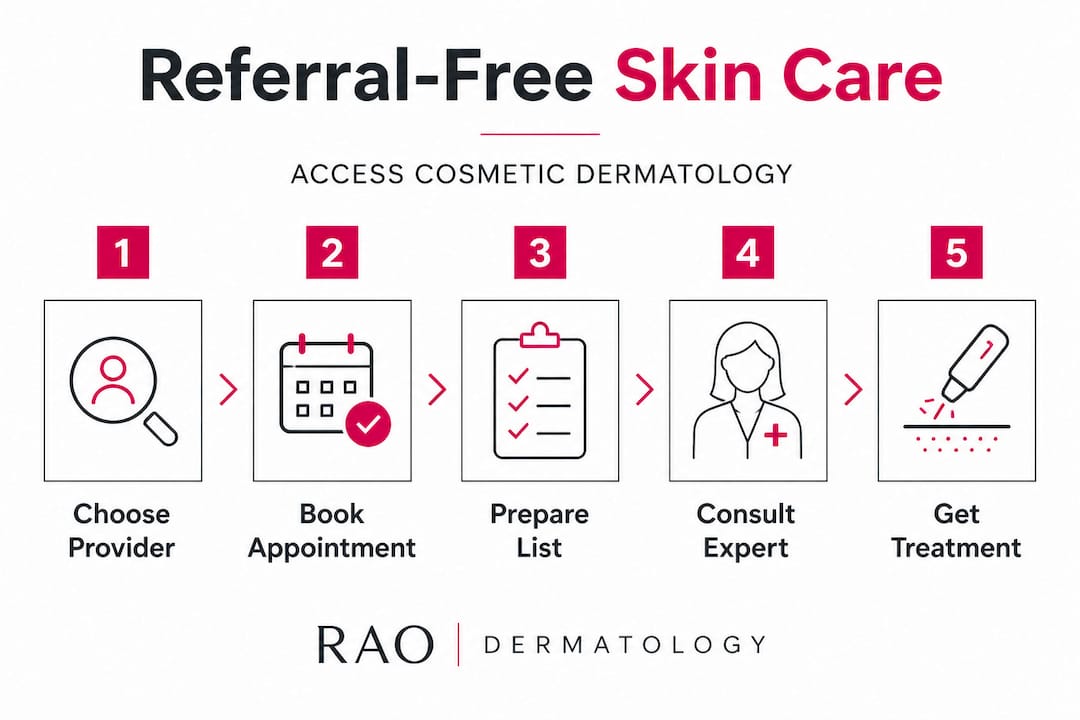
Cosmetic direct access emphasizes personalized treatment plans over gatekeeping, which means your first conversation with the practice is about your skin goals, not your insurance card. That shift in focus is actually one of the biggest advantages of cosmetic dermatology.
Follow these steps to get started:
- Identify your skin concern. Before calling any practice, get specific. Is it fine lines around the eyes? Uneven skin tone from sun damage? Acne scarring? The clearer you are, the more productive your consultation will be.
- Research practices in your area. Look for board-certified dermatologists or practices with licensed estheticians who specialize in the treatment you want. Check credentials, reviews, and before-and-after photos.
- Contact the practice directly. Call or use the online booking system. You do not need a referral letter or insurance pre-authorization. Just schedule a consultation.
- Prepare for your consultation. Gather your skin history, including any treatments you have had before, products you currently use, and any skin reactions you have experienced.
- Attend your consultation and ask questions. This is your opportunity to understand the treatment plan, expected results, costs, and aftercare requirements.
- Confirm payment arrangements. Since cosmetic services are out-of-pocket, ask about pricing, payment plans, or package options before your appointment.
Pro Tip: Write down every cosmetic or skincare treatment you have had in the last three years, including the product name, provider, and your skin’s reaction. This list helps your dermatologist build a more accurate and effective treatment plan from day one.
Preparing for your appointment properly can make a real difference in the quality of care you receive. Practices appreciate patients who come in organized because it saves time and leads to better outcomes.
Here is a quick reference for what to bring to your cosmetic dermatology appointment:
| Item | Why it matters |
|---|---|
| Photo ID | Required for patient records |
| List of current medications | Some medications affect treatment eligibility |
| Skincare product list | Helps identify sensitivities or conflicts |
| Payment method | Credit card, HSA/FSA card, or cash |
| Photos of skin concerns | Useful for tracking progress over time |
| List of questions | Ensures you leave with all the information you need |
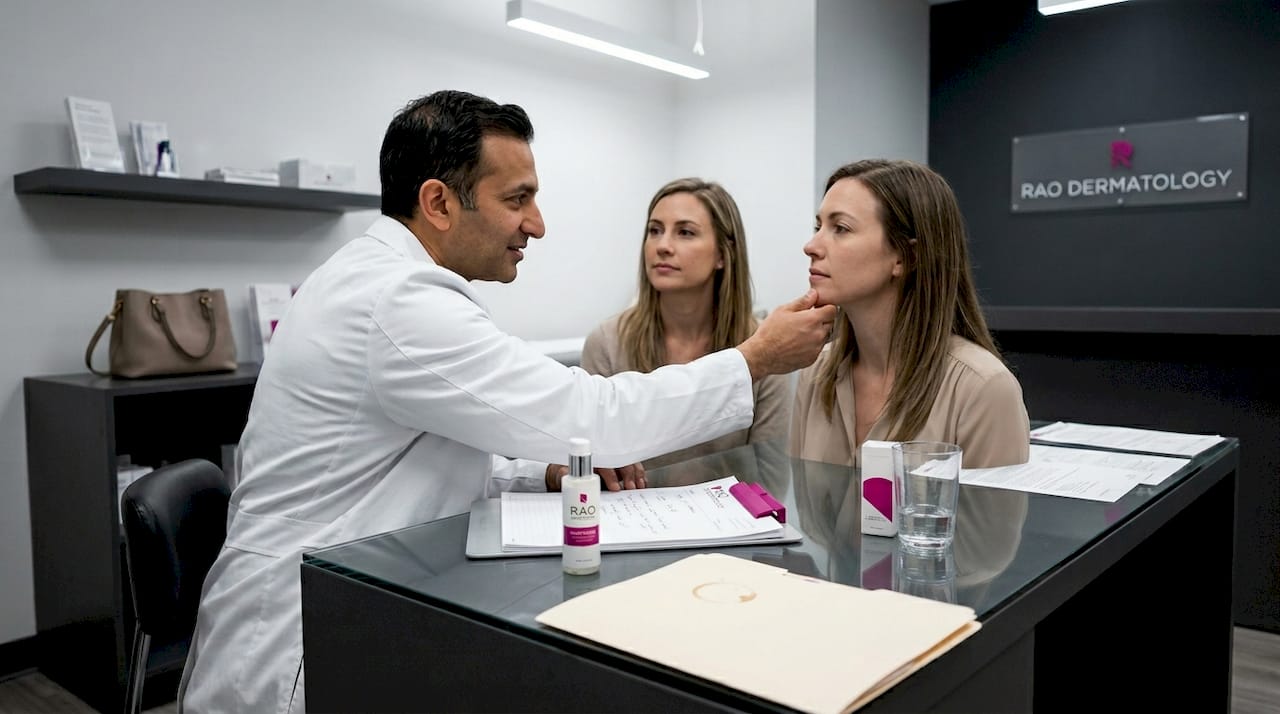
One thing that surprises many first-time patients is how much ground a good consultation covers. Your provider will assess your skin type, discuss realistic outcomes, explain the procedure, and outline aftercare. The more prepared you are, the faster that conversation moves toward actual treatment. Regular dermatology visits also help establish a baseline so your provider can track changes over time.
Common pitfalls and how to avoid them when seeking cosmetic care
Once you know the process, it’s important to avoid mistakes that could cost you time or money.
Even with a clear process, patients in California, New Jersey, and New York regularly make the same preventable errors. These mistakes range from minor inconveniences to serious billing problems that take months to resolve. Knowing them in advance puts you in a much stronger position.
Here are the most common mistakes and how to sidestep each one:
- Assuming insurance covers cosmetic treatments. It does not. Botox, fillers, laser treatments, and chemical peels are elective. Expecting your insurer to pay will lead to denied claims and frustration.
- Mixing cosmetic and medical visits without clear documentation. If you see a dermatologist for a rash and then ask about a filler on the same visit, those services must be recorded and billed separately. Separate medical and cosmetic documentation to avoid insurance denials and billing errors.
- Not bringing a payment method. Cosmetic services require payment at the time of service. Arriving without a way to pay can delay or cancel your treatment.
- Skipping the aftercare conversation. Aftercare is not optional. Ignoring post-treatment instructions can reduce results and, in some cases, cause complications.
- Choosing a provider based on price alone. The lowest-cost option is not always the safest or most effective. Look for credentials, experience, and patient reviews alongside pricing.
- Forgetting to ask about follow-up appointments. Many cosmetic treatments require multiple sessions or maintenance visits. Not planning for these can interrupt your results.
A note for patients in CA, NY, and NJ: These states have active consumer protection regulations around medical billing. If you receive an unexpected bill that appears to include cosmetic services under a medical code, contact the practice immediately to request a detailed itemized statement. Proactive communication resolves most billing issues quickly.
Pro Tip: Before your appointment, call the practice and ask specifically: “Is this service billed as cosmetic or medical?” That one question eliminates almost all billing surprises.
Knowing the right questions to ask your dermatologist before, during, and after your visit is one of the most underrated tools for getting excellent care. Write them down and bring them with you. No question is too small when it involves your skin and your money.
Setting realistic expectations: Outcomes and aftercare
After avoiding common pitfalls, it’s helpful to know what the journey looks like after your treatment is complete.
One of the most common sources of disappointment in cosmetic dermatology is not a bad treatment. It is unrealistic expectations. Results take time, and the quality of your aftercare directly affects the outcome. Understanding what comes next helps you stay patient, consistent, and proactive.
Follow these post-treatment steps to protect your investment:
- Follow your provider’s aftercare instructions exactly. These are not suggestions. They are clinical guidelines designed to protect your results and your skin.
- Avoid sun exposure immediately after treatment. Many cosmetic procedures temporarily increase your skin’s sensitivity. Sunscreen and protective clothing are non-negotiable in the days following treatment.
- Schedule your follow-up appointment before you leave. Do not wait until you notice a problem. Follow-up visits allow your provider to assess results and make adjustments early.
- Track changes with photos. Take photos in consistent lighting every week for the first month. This gives you and your provider a clear record of progress.
- Report any unusual reactions promptly. Swelling, prolonged redness, or unexpected changes should be communicated to your practice right away, not after a few weeks of waiting.
- Maintain a consistent skincare routine. Cosmetic treatments work best when supported by daily habits like moisturizing, SPF use, and gentle cleansing.
Callout: Proactive cosmetic consults starting in your 30s are one of the most effective strategies for long-term skin health. Prevention is significantly easier and less expensive than correction. Patients who start early tend to need fewer aggressive treatments later on.
The timeline for results varies by treatment. Botox typically shows visible results within three to seven days and lasts three to four months. Chemical peels may involve a week of peeling before the glow appears. Laser treatments can take four to six weeks for full results to emerge. Knowing these timelines helps you avoid the mistake of judging a treatment too early.
Exploring modern skincare treatments can also help you understand which procedures align with your goals and lifestyle before you commit to a plan.
The cosmetic dermatology process: What most guides miss
Most articles about cosmetic dermatology referrals spend the majority of their time on insurance logistics and referral paperwork. That focus makes sense on the surface, but it misses the bigger picture entirely.
Here is the perspective we have developed after 25+ years of treating patients across California, New Jersey, and New York: the referral question is the smallest part of this conversation. It gets answered in one sentence. No referral needed. Done.
What actually matters is whether you are using cosmetic dermatology as a reactive fix or a proactive investment. Patients who come in after years of sun damage, dehydration, and neglect are working uphill. They need more treatments, more sessions, and more time to see results. Patients who start earlier, even with minor concerns, build a relationship with their skin and their provider that pays off dramatically over time.
The other thing most guides miss is the value of a truly personalized plan. When you access long-term skin health through a practice that knows your history, your goals, and your skin type, the results are fundamentally different from a one-off treatment at a discount clinic. Continuity matters. Your skin changes with age, hormones, stress, and environment. A provider who tracks those changes with you is an asset, not just a service provider.
Insurance savings are irrelevant for elective treatments because there are no insurance savings to be had. The real calculation is whether the treatment delivers results that improve your confidence, your skin health, and your long-term appearance. When you frame it that way, the referral bureaucracy becomes background noise. The real conversation is about what your skin needs and who is best qualified to deliver it.
Get started with cosmetic dermatology at Rao Dermatology
When you’re ready to take charge of your skin health, here’s how you can reach out for expert help.
At Rao Dermatology, no referral is needed to access our cosmetic services. With locations across California, New Jersey, and New York, our team of board-certified dermatologists and licensed estheticians is ready to build a personalized treatment plan around your specific goals.

Whether you are exploring options for the first time or ready to book a consultation, our cosmetic dermatology services cover a wide range of aesthetic treatments backed by 25+ years of clinical expertise. From your first visit to long-term maintenance, we are here to guide you every step of the way. Browse our full range of dermatology services to find the right fit for your skin goals, and contact one of our conveniently located offices to get started today.
Frequently asked questions
Do I need a referral to see a cosmetic dermatologist in California, New Jersey, or New York?
No, referrals are not required for cosmetic dermatology because cosmetic services are elective and paid out-of-pocket, which removes them from the insurance and referral system entirely.
Can I use my insurance for cosmetic dermatology treatments?
No, most cosmetic dermatology treatments are not covered by insurance because they are considered non-medically necessary and must be paid for out-of-pocket at the time of service.
What is the most common mistake when seeking cosmetic dermatology care?
The most common mistake is assuming insurance will cover cosmetic treatments or combining cosmetic and medical services without separate documentation, which can trigger billing confusion and insurance denials.
What should I bring to my cosmetic dermatology appointment?
Bring a photo ID, a list of current medications and skincare products, and a payment method, since insurance does not cover cosmetic treatments and payment is typically collected at the time of service.
At what age should I consider seeing a cosmetic dermatologist?
Many experts recommend starting proactive consults in your 30s to help prevent premature skin aging before visible signs become harder to address.
Recommended
- Our Services | Rao Dermatology
- How to Find a Dermatologist: Steps for Expert Skin Care | Rao Dermatology
- How to prepare for your dermatology appointment: a step-by-step guide | Rao Dermatology
- Medical Dermatology Essentials: Prevention, Treatment & Aesthetics | Rao Dermatology
- Post-surgery skin care: heal naturally and minimize scars
- Step-by-Step Collagen Supplement Guide for Healthier Skin
Filed under: