
Discover evidence-based medical dermatology essentials covering skin cancer prevention, early detection, treatment options, and safe aesthetic care like dermal fillers for patients in CA, NJ, and NY.
Medical Dermatology Essentials: Prevention, Treatment & Aesthetics
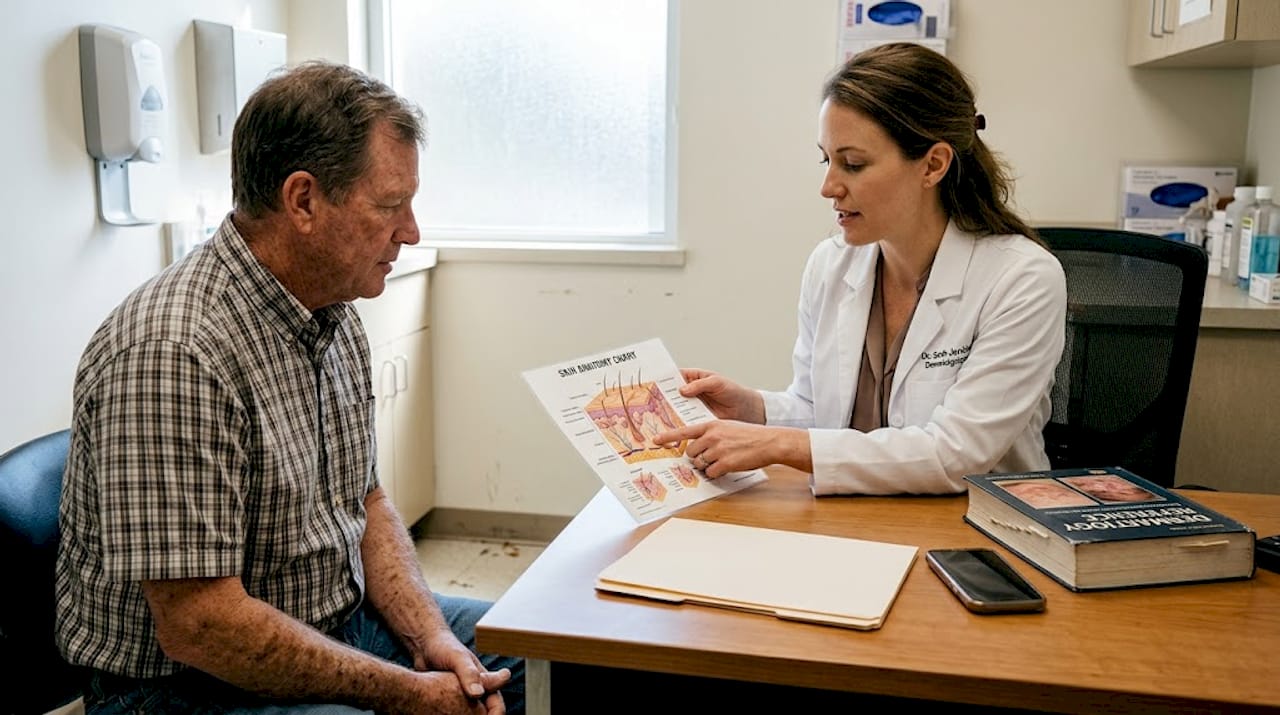
Knowing which skin health steps actually matter can feel paralyzing when you’re surrounded by conflicting advice, trendy products, and a seemingly endless list of options. Whether you live in California, New Jersey, or New York, your skin faces real threats from UV exposure, environmental stressors, and the natural aging process. Medical dermatology addresses all of it, from preventing life-threatening conditions like melanoma to restoring the look and feel you want. This guide cuts through the noise and gives you the evidence-based essentials you need to protect your skin, catch problems early, and make smart aesthetic choices with confidence.
Table of Contents
- The foundation: Proven steps for skin cancer prevention
- Early detection and treatment: What every patient should know
- Aesthetic essentials: Facial rejuvenation and dermal fillers
- Comparing essentials: Preventive, therapeutic, and aesthetic care
- The overlooked truth: Medical and cosmetic dermatology work best together
- Expert skin care is closer than you think
- Frequently asked questions
Key Takeaways
| Point | Details |
|---|---|
| Prevention is primary | Consistent sun protection and self-exams are vital to reducing skin cancer risk. |
| Quick detection matters | Early recognition and treatment options like Mohs surgery yield the best outcomes. |
| Aesthetic choices are medical | Medically-guided cosmetic treatments maximize safety and satisfaction. |
| Choose personalized care | Integrating prevention, clinical, and cosmetic services provides optimal long-term skin health. |
The foundation: Proven steps for skin cancer prevention
Skin cancer is the most common cancer in the United States, yet most cases are preventable. That’s not a comforting platitude. It’s a clinically supported fact that gives you real power over your risk. Building consistent habits now can dramatically change your long-term outcomes, regardless of your skin tone or family history.
The core prevention strategies are straightforward, but consistency is what separates people who benefit from those who don’t:
- Seek shade between 10am and 4pm, when UV radiation is at its peak intensity
- Wear UV-protective clothing, including wide-brim hats and long-sleeved shirts made from tightly woven fabric
- Apply broad-spectrum SPF 30+ sunscreen to all exposed skin and reapply every two hours or after swimming and sweating
- Perform monthly skin self-exams so you notice changes early and know your baseline
- Schedule professional exams more frequently if you have a personal or family history of skin cancer, a large number of moles, or a history of sunburns
These sun protection tips aren’t just recommendations from cautious dermatologists. Research consistently backs them. Daily sunscreen reduces melanoma risk in randomized controlled trials, making it one of the few prevention tools with gold-standard evidence behind it. The AAD sunscreen recommendations also confirm that SPF 30+ and broad-spectrum protection are the minimum effective threshold.
“The best sunscreen is the one you’ll actually use every day.” Consistency beats perfection every time.
Pro Tip: Don’t forget your lips, ears, and the back of your hands. These are some of the most sun-exposed areas and among the most commonly missed during sunscreen application.
If you fall into a higher-risk category, talk to a dermatologist about how often you should be seen. Booking an annual skin cancer screening is a simple action that can catch lesions before they become dangerous. Building healthy skin habits around daily sun defense is the single most powerful thing you can do for your long-term skin health.
With prevention as the keystone, understanding detection and treatment comes next.
Early detection and treatment: What every patient should know
Even with excellent prevention habits, skin cancer can still develop. Catching it early is where outcomes change most dramatically. Knowing what to look for puts you ahead of the curve.
The classic signs to watch for follow the ABCDE rule:
- Asymmetry — one half of a mole doesn’t match the other
- Border — irregular, ragged, or blurred edges
- Color — uneven color, including shades of brown, black, red, white, or blue
- Diameter — larger than 6 millimeters (about the size of a pencil eraser)
- Evolving — any change in size, shape, color, or new symptoms like bleeding
If you notice any of these, don’t wait. Early evaluation through regular dermatology checkups gives your dermatologist the best chance of catching something before it spreads.
Once skin cancer is confirmed, treatment depends on the type, size, and location of the lesion. Here’s how the main options break down:
| Treatment | Best for | Key advantage |
|---|---|---|
| Surgical excision | Most localized skin cancers | Straightforward and effective |
| Mohs surgery | High-risk areas like face | Highest cure rate, tissue-sparing |
| Radiation therapy | Inoperable or recurrent cases | Non-surgical option |
| Topical therapy | Superficial lesions | Minimally invasive |
| Immunotherapy (PD-1 inhibitors) | Advanced or metastatic disease | Activates immune response |
Skin cancer treatment primarily involves surgical excision or Mohs surgery for localized disease, with advanced cases requiring radiation, topical therapies, or immunotherapy like PD-1 inhibitors. Detailed information on melanoma detection and treatment can help you understand what a full care path looks like.
For immunosuppressed patients and others with elevated risk, routine surveillance is essential. General population screening remains debated, but the evidence strongly favors more frequent monitoring for high-risk groups. Explore the full range of skin cancer services available to understand your options.
Pro Tip: If you’re on long-term immunosuppressive medication for any condition, make sure your dermatologist knows. Your screening schedule should reflect your immune status, not just your age.
After addressing detection and treatment, many patients consider aesthetic restoration.
Aesthetic essentials: Facial rejuvenation and dermal fillers
Medical dermatology and aesthetic care aren’t separate worlds. When cosmetic procedures are performed under medical supervision, they’re safer, more predictable, and more satisfying. That’s why more patients are turning to board-certified dermatologists rather than med spas for treatments like dermal fillers.
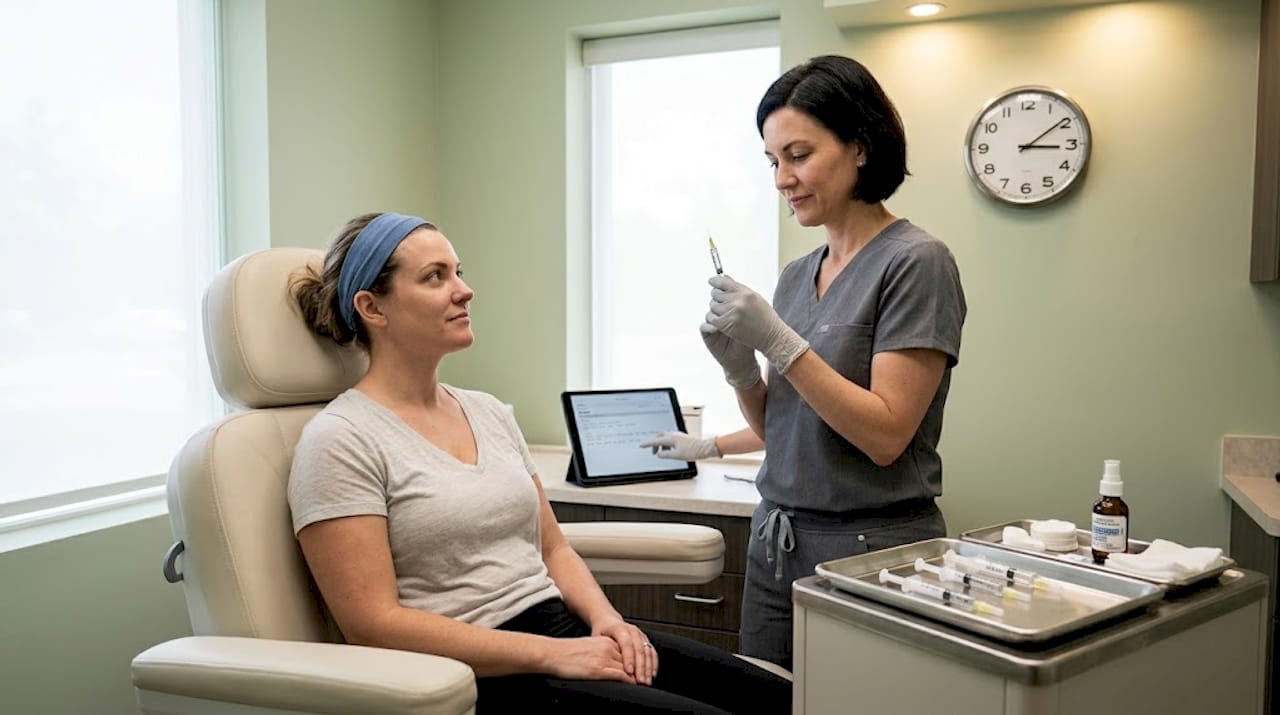
Hyaluronic acid (HA) fillers are one of the most studied and widely used aesthetic tools available. When placed correctly, they restore lost volume, soften lines, and create a natural-looking balance across the face. The technique matters enormously. Dual-plane filler injections for nasolabial folds and stepwise HA approaches yield 100% improvement in GAIS scores (Global Aesthetic Improvement Scale, a validated rating tool used by clinicians), confirming that expert execution produces measurable results.
What makes a filler treatment work well:
- Accurate facial assessment before any product is chosen or placed
- Stepwise injection approach that builds volume gradually for natural proportions
- Dual-plane technique for deep folds, placing product at both superficial and deep tissue levels
- Conservative volume on first treatment, with adjustments at follow-up if needed
- Medical oversight to manage rare but real risks like vascular occlusion
“The goal of a great filler treatment is that nobody notices you had it done. They just think you look well-rested.”
Psychological factors also play a meaningful role in who seeks cosmetic procedures and why. Low self-esteem is linked to higher cosmetic procedure-seeking behavior, which means a thoughtful consultation should address your motivations and set realistic expectations, not just hand you a menu of options. Reading a complete dermal fillers guide before your appointment helps you ask better questions.
Pro Tip: Ask your injector which filler product they’re using and why. Different HA formulations have different viscosities, and the right choice depends on where and how deep it’s being placed. A knowledgeable provider will explain this without hesitation.
For those weighing medical or cosmetic priorities, comparing approaches helps clarify choices.
Comparing essentials: Preventive, therapeutic, and aesthetic care
Deciding where to focus your energy starts with understanding what each category of dermatology care is actually designed to do. Here’s a side-by-side comparison:
| Care type | Primary goal | Best scenario | Limitations |
|---|---|---|---|
| Preventive | Reduce risk before disease appears | All patients, especially high-risk | Requires long-term consistency |
| Therapeutic | Treat confirmed skin conditions | Active cancer or skin disease | May involve recovery time |
| Aesthetic | Restore or enhance appearance | Stable health, clear goals | Not medically necessary |
Prevention remains your first line of defense. Broad-spectrum SPF 30+ sunscreen reapplied every two hours belongs in every patient’s routine, not just those who’ve had a scare.
To build a plan that actually works for you, consider these steps in order:
- Establish your baseline by scheduling a full-body skin exam with a board-certified dermatologist
- Assess your risk profile, including sun history, family history, and medications
- Start preventive habits immediately, especially daily sunscreen and shade-seeking behaviors
- Address any active conditions with evidence-based treatment before pursuing aesthetic work
- Layer in cosmetic goals once your skin is medically stable and you’ve had an honest consultation about expectations
The best plans blend both categories. A patient receiving treatment for actinic keratoses (pre-cancerous skin changes) can also discuss filler options in the same visit, especially if they’re already comfortable with their dermatologist. Stepwise filler approaches and preventive screenings are not mutually exclusive.
Working with a board-certified dermatologist who offers both medical dermatology services and cosmetic dermatology means your entire skin health picture is considered, not just one part of it.
The overlooked truth: Medical and cosmetic dermatology work best together
Most dermatology content treats prevention, treatment, and aesthetics as separate tracks. You’re either getting a cancer screening or you’re getting fillers. That artificial divide does patients a disservice.
In our experience, patients who see the same dermatologist for both medical and cosmetic needs consistently have better outcomes. Their provider knows their full skin history. They’re less likely to pursue cosmetic work over an unexamined lesion. And they tend to be more consistent with their preventive habits because they see their skin as something worth caring for at every level.
Focusing only on appearance while ignoring medical concerns, or obsessing over cancer risk while neglecting quality of life, leaves the picture incomplete. Integrated care is where the real benefit lives. A practice with deep skin cancer expertise and cosmetic fluency can tailor every aspect of your care, instead of sending you in different directions for different problems.
Expert skin care is closer than you think
If this guide has helped you think more clearly about your skin health priorities, the next step is working with a team that can turn that clarity into a real, personalized plan.

At Rao Dermatology, our specialists across California, New Jersey, and New York are trained in both comprehensive skin cancer care and advanced cosmetic treatments, so your medical and aesthetic goals are handled with equal precision. Whether you need a full-body screening, a treatment plan for an active condition, or expert guidance on dermal filler options, our team is ready to help. With 25+ years of experience across both coasts, we bring the same commitment to clinical excellence to every appointment. Contact us to schedule your consultation.
Frequently asked questions
What are the most important steps for preventing skin cancer?
The essentials are staying out of the sun between 10am and 4pm, wearing UV-protective clothing, and applying broad-spectrum SPF 30+ sunscreen every two hours. Regular self-exams round out a solid prevention routine.
How often should high-risk patients get skin cancer screenings?
High-risk patients need routine surveillance, but the exact schedule depends on individual factors like immune status and skin history. Your dermatologist is the right person to set that frequency.
What are the main treatment options for skin cancer?
Most skin cancers are treated with surgical removal or Mohs surgery; advanced cases may require radiation or immunotherapy such as PD-1 inhibitors. The right choice depends on cancer type, location, and stage.
Are dermal fillers safe for facial rejuvenation?
Yes, when performed by a qualified dermatologist using validated techniques. Stepwise and dual-plane methods consistently show strong safety and satisfaction outcomes in clinical studies.
How do psychological factors affect decisions about cosmetic dermatology?
Low self-esteem is associated with higher interest in cosmetic procedures, which is why a good consultation should explore your motivations and help set expectations that are realistic and grounded in your overall well-being.
Recommended
- Stylish Skincare: Modern Dermatology Treatments for Today’s Lifestyle | Rao Dermatology
- Our Services | Rao Dermatology
- National Healthy Skin Month: Essential Dermatologist-Approved Tips for Year-Round Skin Health | Rao Dermatology
- Blog | Rao Dermatology
- Medical Aesthetics Explained: Safer, Natural Results
Filed under: