
Discover how to manage dermatitis cases effectively. Learn proven strategies, key treatments, and daily routines for healthier skin.

Dermatitis is a chronic inflammatory skin condition defined by itching, redness, and a damaged skin barrier that allows irritants and allergens to trigger repeated flares. Atopic dermatitis affects nearly 16.5 million American adults, making it one of the most common skin conditions treated by dermatologists. Knowing how to manage dermatitis cases means combining the right medications, a consistent daily skin care routine, and smart trigger avoidance. This guide covers every layer of that approach, from prescription biologics to the exact bathing habits that protect your skin barrier every day.
What are the key treatments for managing dermatitis?
Topical corticosteroids are the first-line treatment for active dermatitis flares. They reduce inflammation quickly and are available in multiple strengths, from mild hydrocortisone for the face to stronger formulations for the body. Topical corticosteroids should be limited to short-term use to avoid side effects like skin thinning. That means using them to calm a flare, then stepping down to a non-steroidal option for maintenance.
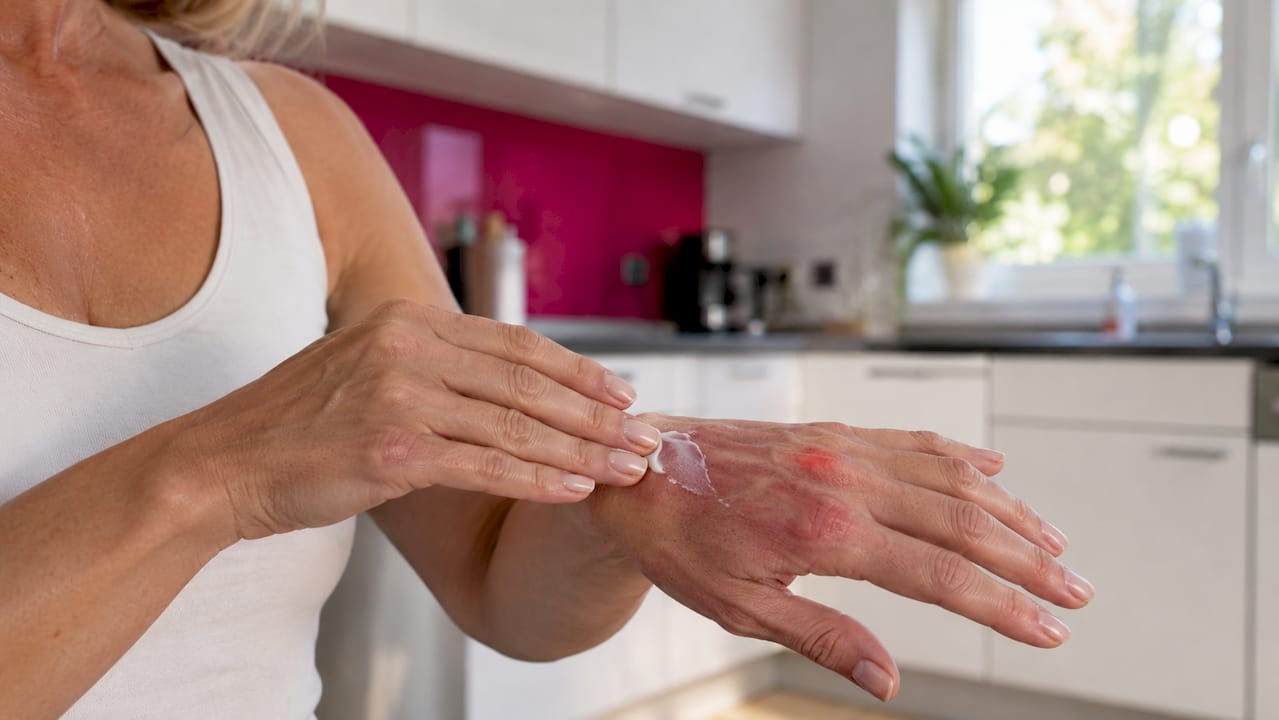
Non-steroidal topicals fill the gap between flares. Calcineurin inhibitors like tacrolimus (Protopic) and pimecrolimus (Elidel) suppress the immune response without the risks tied to steroids. Phosphodiesterase-4 inhibitors like crisaborole (Eucrisa) offer another non-steroidal path, especially for mild to moderate cases. Patients with five or more yearly flares benefit from twice weekly proactive maintenance therapy with agents like tacrolimus to cut flare frequency significantly.
For moderate to severe cases that do not respond to topicals, biologic therapies are now a strong option. Dupilumab has been approved for patients as young as 6 months for moderate to severe atopic dermatitis when topical treatments fall short. This approval signals how far systemic treatment has advanced. Dupilumab targets the IL-4 and IL-13 pathways, which drive the immune overreaction at the root of atopic dermatitis.
- Topical corticosteroids: Use short-term during active flares; taper off as skin clears.
- Tacrolimus and pimecrolimus: Non-steroidal options safe for sensitive areas like the face and eyelids.
- Crisaborole (Eucrisa): A phosphodiesterase-4 inhibitor approved for mild to moderate cases in patients aged 3 months and older.
- Dupilumab (Dupixent): A biologic injection for moderate to severe cases; approved from 6 months of age.
- JAK inhibitors (e.g., upadacitinib, abrocitinib): Oral options for adults with moderate to severe disease who need systemic control.
Pro Tip: Ask your dermatologist about a written flare action plan that specifies exactly which medication to apply first, for how long, and when to escalate. This removes guesswork during a flare.
How can a daily skin care routine control dermatitis symptoms?
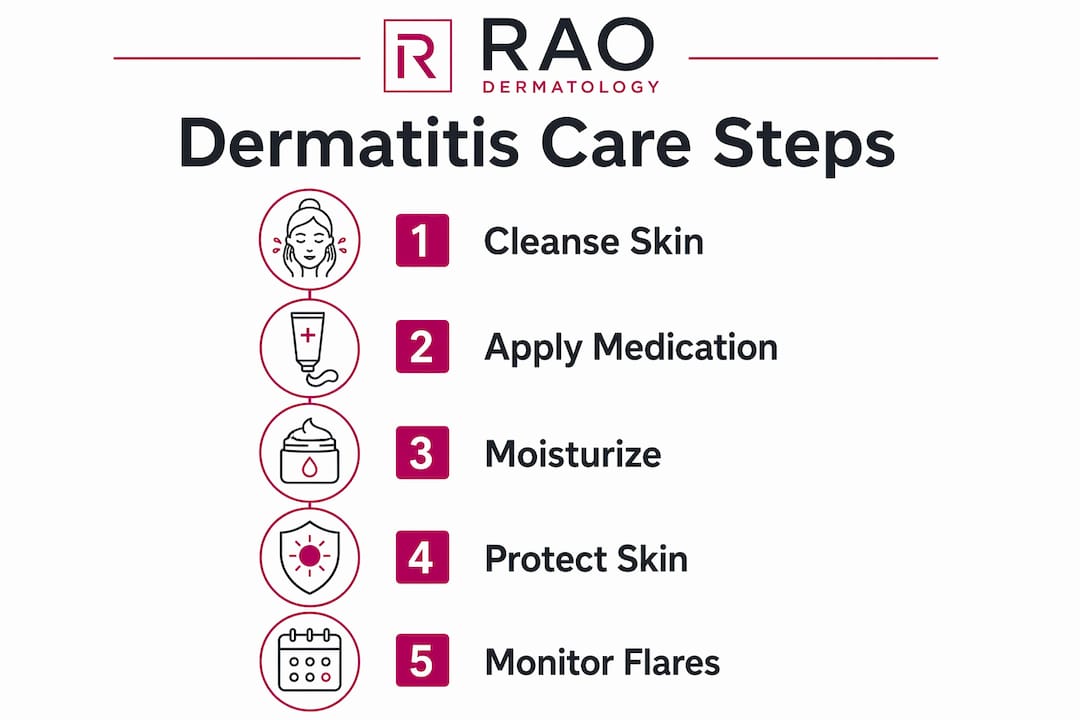
A consistent skin care routine is the single most reliable tool for reducing dermatitis flare frequency. The goal is to repair and maintain the skin barrier so it stops letting irritants in. Over-washing and inconsistent moisturizing disrupt the skin barrier, which worsens eczema over time. Simplicity and repetition matter more than the number of products you use.
Follow these steps every day to protect your skin:
- Bathe in lukewarm water for 10–15 minutes. Hot water strips natural oils and triggers inflammation. Lukewarm water cleanses without damaging the barrier.
- Use a fragrance-free, soap-free cleanser. Products like Cetaphil Gentle Skin Cleanser or Vanicream Gentle Facial Cleanser avoid the sulfates and fragrances that irritate sensitive skin.
- Pat skin dry gently. Rubbing with a towel creates friction that can trigger a flare. Leave skin slightly damp before moisturizing.
- Apply a thick cream or ointment within three minutes of bathing. This “soak and seal” method locks in moisture before it evaporates. Ointments like Aquaphor or CeraVe Healing Ointment outperform thin lotions for barrier repair.
- Moisturize again before bed. Nighttime is when skin repairs itself. A second application of a ceramide-rich cream like CeraVe Moisturizing Cream supports that process.
- Avoid products with fragrances, alcohol, and preservatives like methylisothiazolinone. These are among the most common contact allergens in people with dermatitis.
Pro Tip: Keep your moisturizer on the bathroom counter, not in a cabinet. Visibility drives consistency. The fewer steps between you and your routine, the more likely you are to follow it.
For more guidance on building a routine that works, Raodermatology’s skincare routine recommendations offer dermatologist-backed steps tailored to sensitive and reactive skin.
What lifestyle changes help prevent dermatitis flare-ups?
Trigger avoidance is as important as any medication. Every person with dermatitis has a unique set of triggers, and identifying yours is the first step toward preventing flares before they start. Common triggers include sweat, wool fabrics, pet dander, dust mites, certain foods, and emotional stress. Keeping a simple trigger journal for two to four weeks can reveal patterns that are not obvious in the moment.
Environmental control makes a real difference, especially in winter. Maintaining indoor humidity around 30% with a humidifier reduces skin dryness and cuts flare frequency during cold, dry months. Dry indoor air pulls moisture from the skin surface, which weakens the barrier and invites inflammation. A basic cool-mist humidifier in the bedroom is one of the most cost-effective tools for winter eczema relief.
- Wear soft, breathable fabrics. Cotton and bamboo are the safest choices. Wool and synthetic blends trap heat and cause friction.
- Wash new clothes before wearing them. Dyes and finishing chemicals in new fabric are common irritants.
- Use fragrance-free laundry detergent. Residue from scented detergents stays on fabric and contacts skin all day.
- Manage stress actively. Stress raises cortisol, which drives inflammation. Regular exercise, adequate sleep, and mindfulness practices like meditation reduce cortisol levels.
- Avoid scratching by keeping nails short and wearing cotton gloves at night. Scratching breaks the skin barrier and opens the door to bacterial infections like Staphylococcus aureus, which is found on the skin of most people with atopic dermatitis.
- Shower after sweating. Sweat is a direct irritant for many people with dermatitis. Rinsing off promptly removes the trigger before it causes a reaction.
How should you respond when a dermatitis flare-up starts?
Recognizing a flare early and acting fast is the most effective way to shorten its duration. Think of it like a fire: the sooner you respond, the less damage it does. Early intervention during flare-ups accelerates resolution, and waiting even a day or two allows inflammation to deepen and spread.
Follow these steps the moment you notice a flare starting:
- Apply a cool, wet compress to the affected area for 15–20 minutes. This reduces itch and inflammation immediately without any medication.
- Apply your prescribed topical corticosteroid or calcineurin inhibitor directly to the inflamed skin. Do not wait to see if it gets worse.
- Moisturize over the medication once it has absorbed. Sealing in the treatment extends its effect.
- Use wet wrap therapy for severe flares. Apply your topical medication, cover with a damp layer of cotton bandaging, then wrap with a dry layer on top. Leave it on for several hours or overnight. This technique drives medication deeper into the skin and provides significant itch relief.
- Distract from the itch. Holding an ice pack, squeezing a stress ball, or tapping the skin near the itch are all physical ways to interrupt the itch-scratch cycle without breaking the skin.
“Treating a flare is like putting out a fire. The faster you act, the smaller the fire stays.” — Eczema Society of Canada
See a dermatologist if a flare does not improve within one week of treatment, if the skin shows signs of infection (yellow crusting, warmth, swelling), or if the flare covers a large body surface area. Raodermatology’s flare management guide outlines when to escalate care and what to expect from in-office treatment.
What common mistakes make dermatitis harder to manage?
The most damaging mistake is stopping treatment the moment skin looks clear. Dermatitis does not disappear when the surface looks normal. The underlying inflammation can persist, and without maintenance therapy, a new flare is almost guaranteed. Consistent maintenance therapy with non-steroidal topicals is the standard approach for preventing the next cycle.
Other frequent errors that worsen outcomes include:
- Switching products constantly. Chasing the newest cream or serum disrupts the skin barrier and makes it impossible to know what is actually working. Avoiding quick fixes and sticking to a minimal routine produces better long-term results.
- Over-washing the skin. Washing more than twice a day strips the skin of its natural lipids. This is especially common in people who associate cleanliness with skin health.
- Using too many products at once. Layering multiple active ingredients increases the risk of contact reactions. Start with one new product at a time and wait two weeks before adding another.
- Ignoring the caregiver dynamic in pediatric cases. For children with dermatitis, a therapeutic alliance between caregivers and dermatologists improves adherence and reduces family stress. Parents who feel supported are more consistent with treatment. Raodermatology’s pediatric dermatology services are built around exactly this kind of collaborative care.
- Skipping follow-up appointments when skin is clear. Clear skin is the result of treatment working, not a sign that treatment is no longer needed.
Key Takeaways
Effective dermatitis management requires consistent daily care, early flare intervention, and the right medication matched to disease severity.
| Point | Details |
|---|---|
| Match treatment to severity | Use topical corticosteroids short-term for flares; reserve biologics like dupilumab for moderate to severe cases. |
| Protect the skin barrier daily | Apply a thick, fragrance-free moisturizer within three minutes of bathing, every single day. |
| Act fast on flares | Cool compresses and prescribed topicals applied at the first sign of a flare shorten recovery time. |
| Avoid common management errors | Do not stop treatment when skin clears; maintain non-steroidal therapy to prevent the next flare. |
| Control your environment | Keep indoor humidity near 30% and identify personal triggers through a journal to reduce flare frequency. |
What consistent care has taught me about dermatitis
Dermatitis management is less about finding the perfect product and more about showing up for your skin every single day. I have seen patients cycle through dozens of creams and treatments, convinced the right formula is out there somewhere. The ones who improve most reliably are the ones who commit to a simple, boring routine and stick with it for months.
The other thing I believe strongly: early action on flares is not optional. Waiting to see if a flare resolves on its own almost always makes it worse and longer. The fire analogy is not just a metaphor. Inflammation compounds quickly, and the window for easy control is short.
For parents managing a child’s dermatitis, the emotional weight is real. Reframing the condition as the problem to fight, rather than the child’s fault or the parent’s failure, changes everything about how families engage with treatment. Pediatric dermatitis outcomes improve when caregivers feel like partners in care, not just observers. That partnership starts with finding a dermatologist who communicates clearly and respects your time.
— Krunal
Get expert dermatitis care at Raodermatology
Living with dermatitis is manageable, but it is much easier with a specialist in your corner. Raodermatology, founded by Dr. Babar K. Rao with 25+ years of experience across California, New Jersey, and New York, offers personalized treatment plans for every stage of dermatitis, from first-time flares to complex cases requiring biologic therapy.

Whether you need a diagnosis, a medication review, or a long-term management strategy, Raodermatology’s team builds a plan around your skin, your triggers, and your life. Explore the full range of dermatology services available at Raodermatology and schedule a consultation at the location nearest you.
FAQ
What is the most effective treatment for dermatitis?
Topical corticosteroids are the most widely used first-line treatment for active flares, while non-steroidal agents like tacrolimus are preferred for long-term maintenance. For moderate to severe cases, biologics like dupilumab deliver systemic relief when topicals are not enough.
How often should I moisturize if I have dermatitis?
Moisturize at least twice daily, once immediately after bathing and once before bed. Using a thick cream or ointment rather than a thin lotion provides stronger barrier protection.
Can dermatitis be cured permanently?
Dermatitis has no permanent cure, but consistent treatment and trigger avoidance can keep symptoms minimal and flares infrequent. Many patients achieve long periods of clear skin with the right management plan.
What triggers dermatitis flare-ups most often?
Common triggers include sweat, fragrances, wool fabrics, dust mites, pet dander, stress, and dry air. Identifying your personal triggers through a journal is the most reliable way to reduce flare frequency.
Is dermatitis management different for children than adults?
The core principles are the same, but pediatric cases require extra attention to caregiver education and adherence. Therapeutic alliances between caregivers and dermatologists significantly improve outcomes for children with moderate to severe atopic dermatitis.
Recommended
Filed under: