
Discover the role of technology in dermatology, transforming skin care with AI and teledermatology for faster, precise, and personalized results.
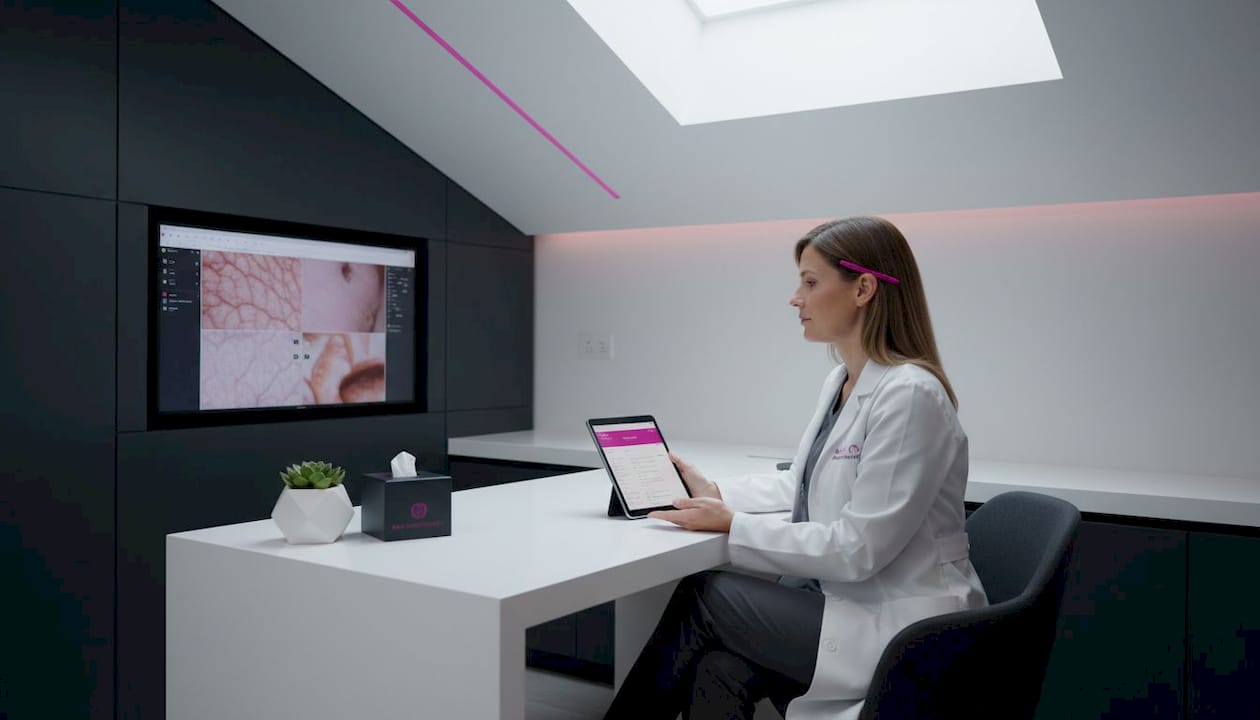
An AI model that outperforms clinicians by 10.2% in early melanoma detection is not a future concept — it is already here. For patients in California, New Jersey, and New York, this means access to a new era of dermatology where artificial intelligence, teledermatology platforms, and regenerative post-procedure therapies are working together to deliver faster, more precise, and more personalized skin care. The changes are happening quickly, and understanding what these tools can and cannot do is essential for anyone navigating medical or cosmetic skin concerns in 2026.
Table of Contents
- AI and multimodal devices in skin diagnosis
- Teledermatology: access and convenience in CA, NJ, and NY
- Post-procedure innovations: creams and exosome therapy
- Challenges of technology: fairness, bias, and dermatologist perspectives
- Our take: how to balance innovation and expertise in skin care
- Explore technology-backed dermatology care
- Frequently asked questions
Key Takeaways
| Point | Details |
|---|---|
| AI improves skin diagnosis | New AI models outperform clinicians in early melanoma detection. |
| Telemedicine expands access | Patients in California, New Jersey, and New York can book expert skin care online. |
| Advanced healing therapies work | Post-laser creams and exosome treatments show strong clinical results for skin recovery. |
| Technology has limitations | AI accuracy varies by skin tone, and many dermatologists remain skeptical. |
| Balanced care is key | Combining technology with expert providers delivers the best results. |
AI and multimodal devices in skin diagnosis
The diagnostic side of dermatology has seen some of the most significant technological leaps in recent memory. Specialized AI hardware and software tools are now capable of analyzing skin lesions with a level of consistency and speed that was unimaginable even five years ago. For patients worried about moles, unusual growths, or skin cancer risk, this is genuinely good news.
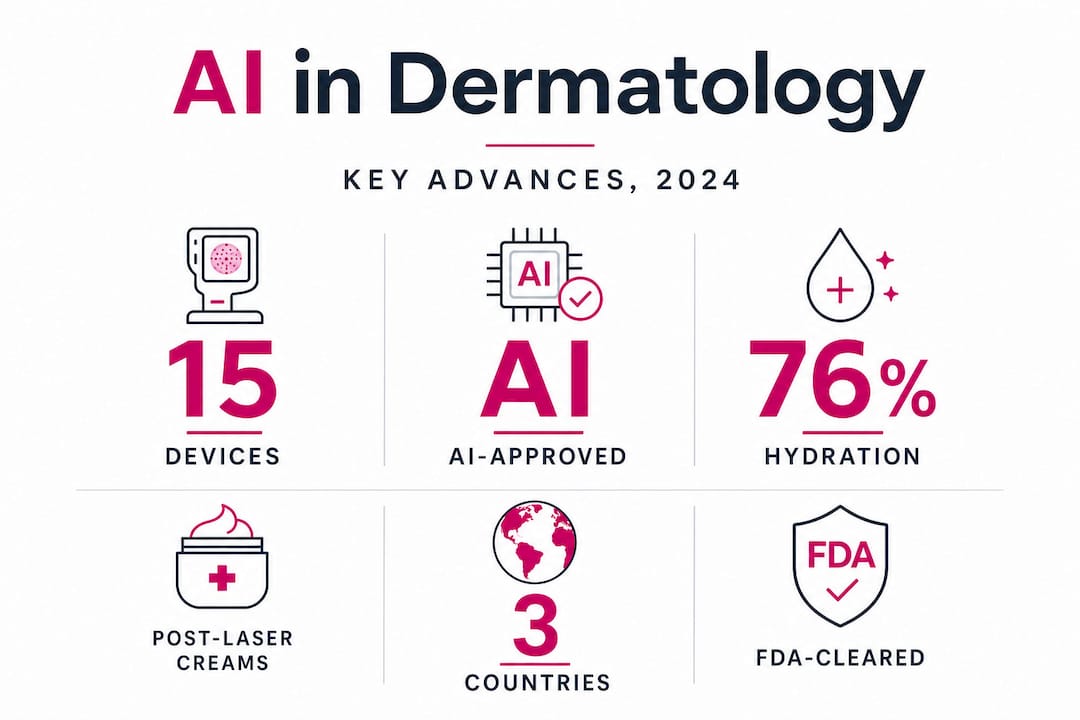
Globally, 15 AI devices are regulatory-approved for dermatology use, with three of those holding FDA clearance in the United States. These devices are primarily focused on melanoma and other skin cancer detection, using specialized hardware that goes well beyond what a smartphone camera can capture. They incorporate dermoscopy (a technique using magnification and light to examine skin structures beneath the surface), impedance spectroscopy, and machine learning models trained on massive image datasets.
The most impressive results come from multimodal AI, which combines different types of data rather than relying on images alone. The PanDerm model, for instance, achieves state-of-the-art results on 28 benchmarks and demonstrates an 11% improvement in dermoscopy accuracy compared to clinicians. Another system, DeepDerm, reported a 94% diagnostic accuracy in a pilot study involving more than 1,000 images. Numbers like these are hard to ignore.
Here is a quick look at how leading AI diagnostic tools compare:
| Tool | Modalities used | Accuracy highlight | FDA status |
|---|---|---|---|
| PanDerm | Multimodal (imaging + AI) | 10.2% better than clinicians | Under review |
| DeepDerm | Multimodal imaging | 94% in pilot (1,000+ images) | Pending |
| FDA-approved devices (3) | Dermoscopy + AI | Varied, melanoma focused | Approved |
Key features driving accuracy improvements include:
- Dermoscopy integration: Digital dermoscopy tools capture skin structures invisible to the naked eye, giving AI models richer input data.
- Impedance analysis: Measures electrical properties of skin tissue, which can flag abnormal cell behavior before it is visually apparent.
- Contextual data inputs: Some models factor in patient history, skin type, and lesion location alongside images.
For a deeper look at how diagnosis works in modern dermatology practices, the dermatology diagnosis guide covers the full picture from initial consultation to treatment planning. Specialized dermatopathology services also play a key role when tissue analysis is needed.
Pro Tip: AI diagnostic tools perform best as a second opinion, not a final answer. Always work with a board-certified dermatologist who can interpret AI output in the context of your full health history and clinical presentation.
Teledermatology: access and convenience in CA, NJ, and NY
While diagnostic technology advances, patients also benefit from remote access tools — let’s see how teledermatology is changing the landscape. For many people in California, New Jersey, and New York, getting a dermatology appointment quickly has historically been a challenge. Specialists are in high demand, wait times can stretch for weeks, and commuting to a clinic is not always practical.
Teledermatology is addressing that gap directly. Platforms like TeleDirectMD now offer online consultations for acne, melasma, anti-aging concerns, and more, serving patients across all three states without requiring an in-person visit. The California Dermatology Institute also offers telemedicine-based acne treatment, reflecting a broader trend of bringing qualified dermatology care to patients wherever they are.
The typical process for a teledermatology consultation looks something like this:
- Choose a platform or provider licensed to practice in your state (CA, NJ, or NY have specific telehealth licensure requirements).
- Upload clear photos of the affected area in good lighting, ideally from multiple angles.
- Complete a health intake form covering your symptoms, medical history, and any medications you are currently using.
- Schedule a video or asynchronous review session where the dermatologist evaluates your submission.
- Receive a diagnosis and treatment plan, which may include prescription medications, topical therapies, or a referral for an in-person visit if needed.
The advantages of this model are real. Research confirms that telemedicine improves access to care, especially for patients in underserved areas or those with mobility challenges. Key benefits include:
- Faster first contact with a qualified provider, often within 24 to 48 hours
- No travel time or waiting room delays
- Easier follow-up visits for ongoing conditions like acne or eczema
- Earlier intervention before minor issues escalate into complex ones
That said, teledermatology is not suited for every situation. Complex or ambiguous lesions that require a physical examination, biopsy, or dermoscopy assessment need an in-person visit. Skin conditions that change in texture, bleed, or cause pain are generally not candidates for a remote-only approach. It is also worth noting that photo quality and lighting vary dramatically, which can affect how accurately a provider interprets what they are seeing. To explore what remote dermatology services are available, reviewing the full service list is a helpful starting point.
Post-procedure innovations: creams and exosome therapy
Beyond diagnosis and access, technology is revolutionizing what happens after your treatments. Cosmetic procedures like laser resurfacing and microneedling are more popular than ever, and what you do in the days following treatment directly affects your results. The latest evidence-based therapies are making the recovery process faster and the outcomes more impressive.
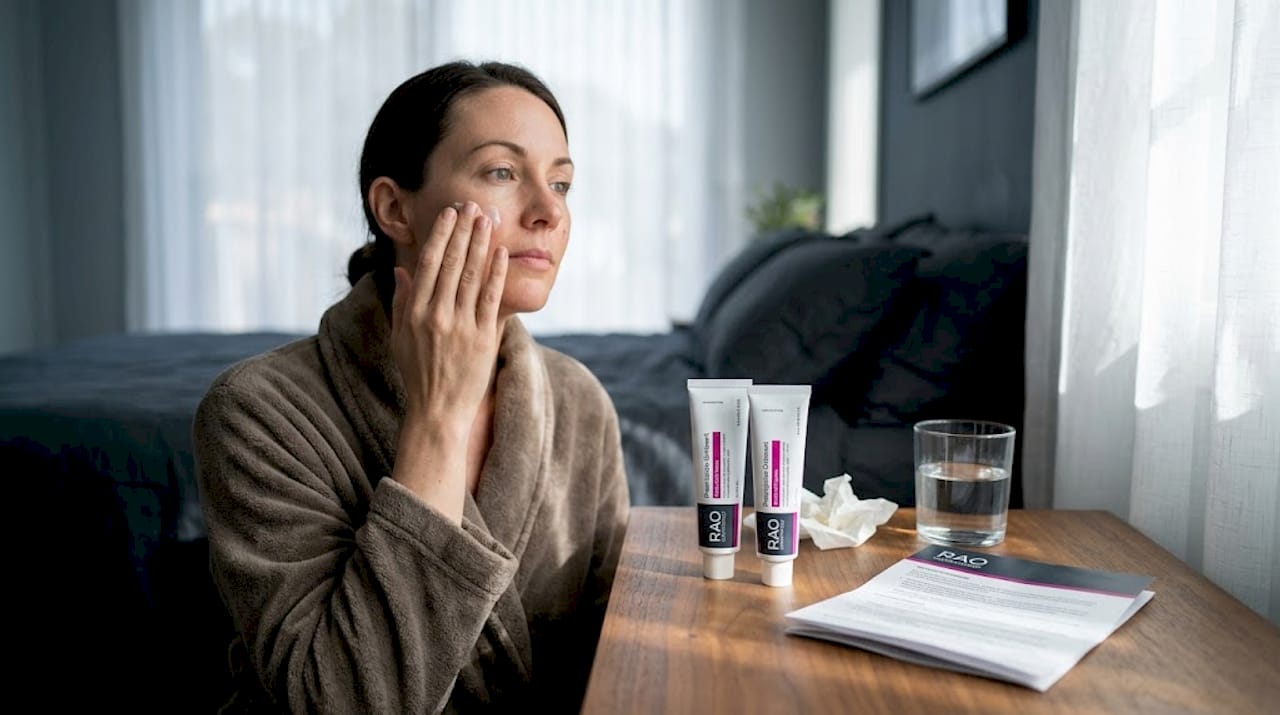
On the topical side, regenerative creams formulated specifically for post-laser skin have demonstrated measurable clinical results. A recent study found that a post-laser regenerative cream produced 76% improved hydration and a 49% reduction in crusting at seven days post-procedure, with statistically significant results. For patients who have experienced the peeling and sensitivity that follow ablative laser treatments, those numbers represent real relief and faster return to normal skin function.
On the cellular therapy side, exosome treatments represent one of the most exciting frontiers in cosmetic dermatology. Exosomes are tiny vesicles released by cells that carry signaling molecules, promoting tissue repair and regeneration. When combined with microneedling, they penetrate deeper into the skin and accelerate healing at a cellular level. Clinical data shows exosome therapy post-microneedling delivers a 41% pore reduction and 42% erythema (redness) reduction that is sustained at 21 months follow-up. That kind of durability is rare in cosmetic skin care.
For patients dealing with acne scars, understanding how microneedling for acne scars works as a procedure is the first step. Pairing that with advanced post-treatment protocols can significantly improve final outcomes. Skin rejuvenation therapies that incorporate these newer recovery tools are setting a new standard for what patients should expect. For those curious about treatment options before the procedure itself, reviewing laser therapy benefits provides a solid foundation for that conversation.
Post-procedure best practices include:
- Use clinically validated regenerative creams, not generic moisturizers, during the critical first seven days.
- Avoid sun exposure immediately after laser or microneedling procedures to prevent hyperpigmentation.
- Follow the specific protocol your dermatologist recommends — timing and product selection matter.
- Consider exosome therapy add-ons if you are targeting long-term pore refinement or persistent redness.
- Track your progress with photos at regular intervals to assess real improvement over time.
For those thinking about comprehensive skin care beyond clinical procedures, well-formulated complete skincare sets that emphasize hydration and barrier support can complement your in-office treatment plan effectively.
Pro Tip: Always ask your dermatologist specifically which post-procedure products are validated for your skin type and the specific procedure you had. Generic over-the-counter products may not deliver the recovery support that evidence-based clinical formulations can.
Challenges of technology: fairness, bias, and dermatologist perspectives
Yet with all these advances, technology brings its own set of challenges — and taking an honest look at where it falls short is just as important as celebrating the wins. AI in dermatology is powerful, but it is built on data, and data has limitations.
One of the most pressing concerns is dataset diversity. AI datasets lack diversity in meaningful ways: only 12% of images in typical training sets represent dark skin tones, and just 8% cover rare psoriasis subtypes. This creates real-world diagnostic gaps. A model trained primarily on lighter skin tones may perform significantly worse when analyzing lesions on patients with deeper complexions, which raises serious equity concerns in states as diverse as California, New Jersey, and New York.
Beyond data gaps, AI systems struggle with:
- Variable lighting conditions: Inconsistent photo quality dramatically affects model output, particularly in store-and-forward teledermatology.
- Rare and atypical presentations: Edge cases, unusual disease subtypes, and overlapping conditions challenge AI in ways that experienced clinicians handle intuitively.
- Contextual clinical judgment: AI cannot ask follow-up questions, observe how a patient moves, or integrate subtle cues from a physical exam.
- Evolving skin conditions: A lesion that changes over weeks may look normal in any single image snapshot.
Perhaps most telling is how dermatologists themselves feel about the technology. Less than half of dermatologists believe AI will improve clinical care, citing concerns about skill depletion and overreliance. Skill depletion is a legitimate worry: if clinicians increasingly defer to AI outputs without building and maintaining their own diagnostic acuity, the quality of care could decline in situations where AI fails.
“Prioritize standardized validation, fairness, and workflow integration. Edge cases like rare diseases and variable lighting conditions continue to challenge AI systems in real-world clinical environments.” — Expert consensus, JMIR Dermatology 2026
This does not mean the technology should be avoided. It means integration must be thoughtful, with clear protocols for when AI assists and when clinical judgment takes precedence. Providers who use AI as a complement to their expertise, rather than a replacement for it, are positioning their patients for the best outcomes.
Our take: how to balance innovation and expertise in skin care
Here is where we have to be direct with you. The excitement around AI and teledermatology is justified, but the most important variable in your skin care experience is still the person making the clinical call.
We have watched this technology evolve for years, and our perspective is that the best outcomes come when patients and providers approach new tools with genuine curiosity and appropriate skepticism in equal measure. AI tools that flag a suspicious lesion are valuable. But what happens next, the biopsy decision, the treatment path, the follow-up strategy, requires a clinician who knows your history, understands your concerns, and has the training to interpret nuance.
The fairness and bias issues in AI are not theoretical. They affect real patients. For the diverse populations we serve across California, New Jersey, and New York, we take seriously the need to apply AI outputs critically and not assume that a model trained on non-representative data will serve all patients equally. Patients deserve to ask their providers directly: “Has this AI tool been validated for my skin tone?” That is a reasonable and important question.
Our recommendation is to seek providers who actively discuss the role of technology in your care, who can explain what AI tools are being used and why, and who see technology as one layer of a broader, personalized approach. The medical dermatology guide offers a useful starting point for understanding how these pieces fit together in a complete diagnostic and treatment process.
Technology is not the future of dermatology. Combined with the right clinical expertise, it is the present.
Explore technology-backed dermatology care
If you are looking for a practice that understands both the promise and the limits of dermatology technology, Rao Dermatology is built for exactly that. With more than 25 years of experience across California, New Jersey, and New York, our team integrates advanced diagnostic tools and cosmetic therapies within a framework of personalized, expert-led care.
Whether you are concerned about a suspicious mole, managing a chronic skin condition, or exploring post-procedure options for cosmetic rejuvenation, we have the technology and the expertise to guide you. Review our full service options to see what is available at your nearest location, explore our dedicated skin cancer detection services for early screening and diagnosis, or browse our cosmetic dermatology solutions for technology-supported aesthetic treatments. Schedule your consultation and experience what evidence-based, technology-informed skin care actually looks like in practice.
Frequently asked questions
Are AI-powered skin cancer detection systems available for patients in California, New Jersey, and New York?
Yes, three FDA-approved AI devices for melanoma detection are cleared for use in the U.S., making them accessible to patients in these states through qualified dermatology practices.
What are the benefits of teledermatology versus traditional in-person visits?
Teledermatology offers faster access and convenience for common skin concerns like acne and melasma, especially through platforms like TeleDirectMD, though complex or ambiguous cases still require an in-person evaluation.
Can post-laser creams really speed up skin healing?
Clinical evidence shows that specialized post-laser creams produce 76% hydration improvement and significant reductions in crusting within seven days, supporting faster and more comfortable recovery compared to standard moisturizers.
Is AI equally accurate for all skin tones and rare conditions?
No. Current AI training data includes only 12% dark skin tones and minimal coverage of rare conditions, which can reduce accuracy for diverse patient populations and uncommon diagnoses.
How do dermatologists feel about adopting new technology?
Less than half support AI broadly in clinical care, with many expressing concern about over-dependence on automated tools and the risk of losing critical diagnostic skills built through hands-on practice.
Recommended
- Why personalized dermatology delivers better outcomes | Rao Dermatology
- What dermatology really means for your skin health | Rao Dermatology
- Stylish Skincare: Modern Dermatology Treatments for Today’s Lifestyle | Rao Dermatology
- Dermatology’s Role in Healthier, Younger-Looking Skin | Rao Dermatology
Filed under: