
Clinic led, evidence based advice on using tinted SPF50+ sunscreens with iron oxides to protect melasma. Learn the 12 week benchmark and practical...
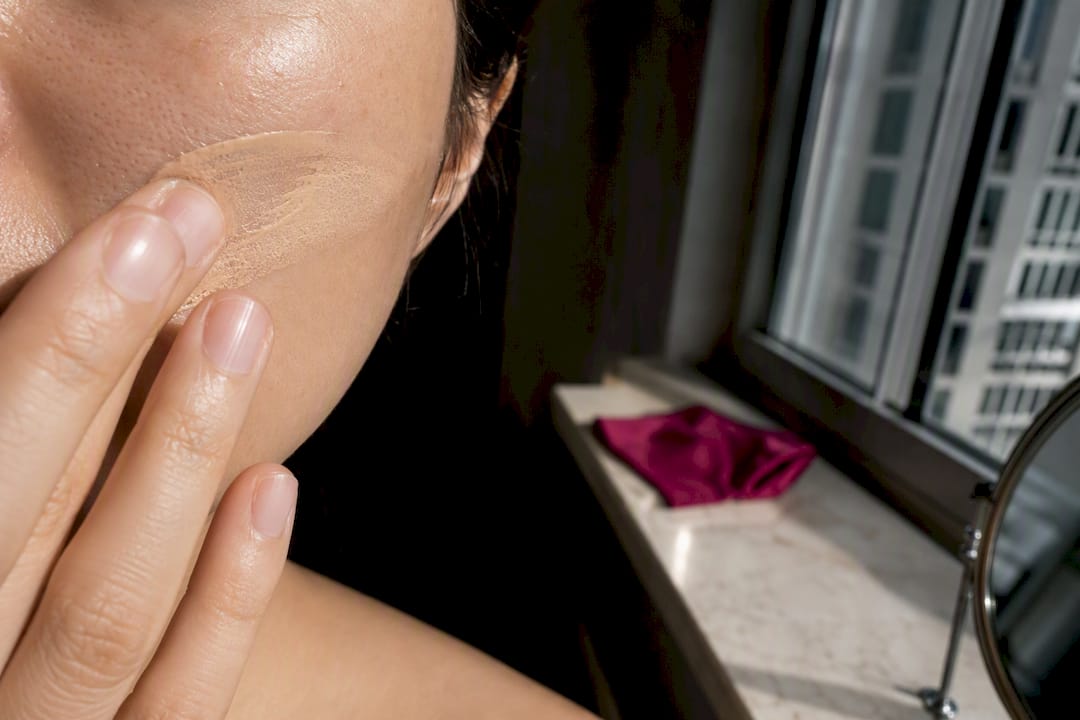
For melasma, use a tinted mineral sunscreen with iron oxides and SPF 50+ every single day. Plain broad-spectrum protection blocks UVB and most UVA, but it does nothing for the visible light that keeps triggering pigment cells. Iron oxides fill that gap, and daily, correct application is what actually prevents relapse.
TL;DR:
- A tinted mineral sunscreen with iron oxides and SPF 50+ is essential daily for melasma protection, especially against UVA1 and visible light, not just UVB.
- Iron oxides in sunscreens provide significant protection against blue light, with some formulations blocking up to 98% of blue wavelengths around 415 nanometers.
- Proper application involves using enough product, blending until the tint disappears, and reapplying every two hours outdoors, with touch-ups over makeup using powder or pressed minerals.
- Reading the ingredient list is crucial; most products don’t disclose iron oxide content, and only those with zinc oxide or titanium dioxide and visible iron oxides offer effective visible light protection.
- Combining consistent sunscreen use with treatments like hydroquinone and avoiding sun exposure triggers yields the best results, with improvements typically assessed over a 12-week period.
Table of Contents
- Sunscreen for Melasma: Your Daily Checklist and Routine
- Why Sunscreens for Melasma Must Be Different: UVA1 and Visible Light
- What to Look for in a Melasma Sunscreen: Reading the Label Right
- Formulation Types: Finding the One You’ll Actually Wear
- How to Apply, Layer, and Reapply Sunscreen for Melasma
- Clinic-Backed Evidence and Realistic Expectations
- When Sunscreen Alone Isn’t Enough
- Our Take on Product Selection and Patient Adherence
- How Rao Dermatology Can Help You Manage Melasma
- Sources
- FAQ
Sunscreen for Melasma: Your Daily Checklist and Routine
Building the right habit matters more than finding the perfect product. Here’s what to look for before you buy, and how to use it once you own it.
Shopping checklist:
- SPF 50 or higher, labeled broad-spectrum
- Contains iron oxides (check the ingredient list, not just the front label)
- Mineral filters like zinc oxide as the primary active
- A tint that matches your actual skin tone, not a shade lighter
- No white cast when fully rubbed in
Morning routine:
- Cleanse with a gentle, non-stripping cleanser.
- Apply any prescribed treatment (hydroquinone, azelaic acid, or similar) and let it absorb for a few minutes.
- Apply a nickel-sized amount of tinted sunscreen to the face and neck. Most people use far less than this and get a fraction of the labeled SPF.
- Blend until the tint disappears into your skin, not just the surface.
- Layer makeup on top if you want more coverage. Powder or liquid foundation over sunscreen is fine once the sunscreen has set.
Reapply every two hours if you’re outdoors, or at minimum once at midday. If you’re wearing makeup, a pressed mineral powder with iron oxides works better than trying to rub in more liquid sunscreen over foundation. Keep one in your bag. It’s the single easiest habit that determines whether your melasma stays quiet or flares again by summer.
Why Sunscreens for Melasma Must Be Different: UVA1 and Visible Light
Melasma doesn’t behave like sun damage in general. It behaves like a hair trigger, and the trigger includes wavelengths most sunscreens were never designed to stop.
UVB gets most of the attention because it causes sunburn, and it’s the easiest wavelength to block. But melasma is driven heavily by UVA1 (340 to 400 nanometers) and visible light (400 to 700 nanometers), particularly the blue-violet band around 415 nanometers. Visible light penetrates deeper into skin than UVB and triggers melanocyte activity that lasts longer than UV-induced pigmentation, especially in medium to deep skin tones. A narrative review on sunscreen’s role in melasma and postinflammatory hyperpigmentation concluded that protection spanning UVA, UVB, and visible light is what actually stabilizes and improves these conditions, not UV coverage alone.
Melasma responds to light your standard SPF was never built to filter. Iron oxides close that gap by scattering and absorbing visible light the way mineral filters handle UV.
This is where iron oxides earn their place. Lab and in vivo research on formulations blending red, yellow, and black iron oxides with zinc oxide found attenuation of blue light in the 400 to 465 nanometer range, with protection factors ranging from 55% to 98% depending on concentration. That’s a wide range, and it tells you the amount of iron oxide in a formula genuinely changes how much protection you’re getting.
The clinical payoff shows up in trial data. A 2025 randomized trial comparing daily SPF50+ with iron oxides against SPF50+ alone found that 36% of melasma participants using the iron-oxide formula showed superior improvement in skin radiance at 12 weeks, versus 0% in the SPF50+ only group. Zero percent isn’t a rounding error. It’s a signal that UV filtering by itself may not move the needle on melasma at all.
What to Look for in a Melasma Sunscreen: Reading the Label Right
Most people shopping for sunscreen for melasma get misled by the front of the bottle. The real information is buried in the ingredients panel, and sometimes it isn’t there at all.
Start with SPF 50+ and confirm “broad-spectrum” appears on the label. That phrase legally means the product passes an FDA broad-spectrum test, but it doesn’t guarantee meaningful UVA1 or visible light coverage. You have to look further.
What actually matters on the label:
- Iron oxides listed by name (sometimes as CI 77491, CI 77492, or CI 77499) in the full ingredients list, not the “active ingredients” box
- Zinc oxide or titanium dioxide as the primary UV filter, since mineral filters scatter light across a broader range than most chemical filters
- Tint depth and range that suggests real pigment load, not just a cosmetic tone added for aesthetics
- A texture you’d actually wear daily — matte, dewy, or satin depending on your skin type
Pro Tip: If a tinted sunscreen doesn’t visibly tint your skin when you rub it in, it probably doesn’t have enough iron oxide to do much for visible light protection either. The cosmetic tint and the protective pigment are often the same ingredient.
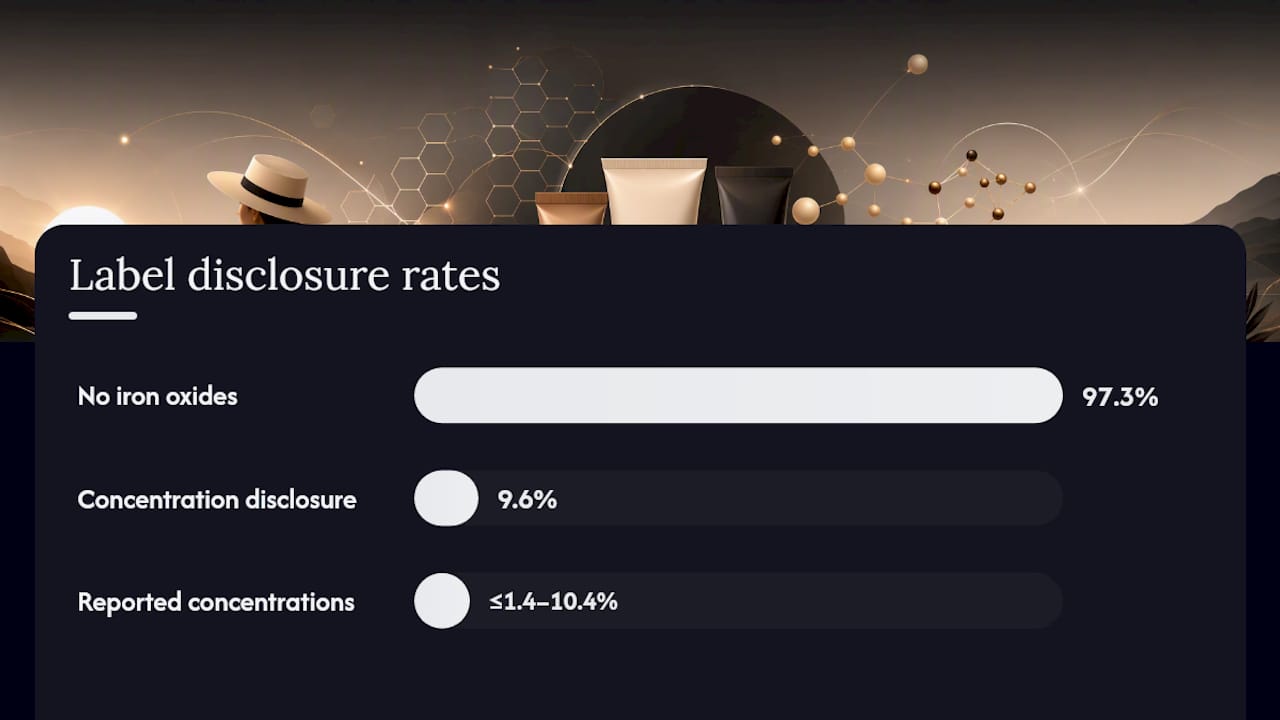
This label confusion isn’t an accident of poor writing. A 2026 product analysis of tinted sunscreens found that 97.3% did not list iron oxides as an active ingredient, and only 9.6% of brands disclosed any concentration figure at all, with disclosed amounts ranging from under 1.4% to 10.4%. A separate product analysis and literature review published in the Journal of Drugs in Dermatology reached a similar conclusion: most brands offer no standardized reporting and little public testing data on visible-light protection. If you can’t find iron oxide on the label, check the brand’s own technical or ingredient disclosure page before assuming the product does what the marketing implies.
Formulation Types: Finding the One You’ll Actually Wear
The best sunscreen for pigmentation is the one you use every single day without skipping it. That means matching the formulation to your skin type and lifestyle matters as much as matching it to the science.
Tinted mineral sunscreens with iron oxides are the gold standard for melasma specifically. They combine zinc oxide or titanium dioxide with iron oxide pigments, giving you UV and visible light coverage in one product. The tradeoff is texture. Some mineral formulas sit heavier on the skin, though newer micronized versions have largely closed that gap.
Tinted hybrid or chemical-tint sunscreens blend chemical UV filters with cosmetic tint for a lighter, more cosmetically elegant finish. They can look and feel better on the skin, but many rely on cosmetic pigments rather than true iron oxides, so they may not deliver the same visible-light attenuation. Check the ingredient list before assuming tint equals protection.
Non-tinted sunscreen plus iron-oxide makeup works as a practical workaround for people who dislike any tint at all. Apply a broad-spectrum SPF 50+ base, then layer a foundation, tinted moisturizer, or pressed powder that lists iron oxides in its own ingredients. This splits the job across two products instead of one, which adds a step but gives more control over shade matching.
For sensitive skin, mineral formulas tend to cause less irritation than chemical filters, since zinc oxide and titanium dioxide sit on the skin’s surface rather than absorbing into it. For oily skin, look for a matte-finish mineral or hybrid formula. Powder sunscreen touch-ups midday work particularly well for oily skin types since they control shine while reapplying protection.
For skin of color, shade range is often the deciding factor in whether a product gets used at all. A 2022 clinical review on tailored photoprotection notes that cosmetic acceptability, meaning shade match, texture, and absence of white cast, correlates directly with real-world adherence and outcomes. A sunscreen that sits ashy or gray on deeper skin tones will end up in a drawer, no matter how good its iron oxide content is. Many brands now offer multiple tint shades or universal tints formulated to disappear across a range of tones. Test a small amount on your jawline in daylight before committing to a full-size bottle.
How to Apply, Layer, and Reapply Sunscreen for Melasma
Getting the right product matters less than most people think if the application is wrong. Under-application is the most common reason sunscreen fails to protect against melasma in real-world use.
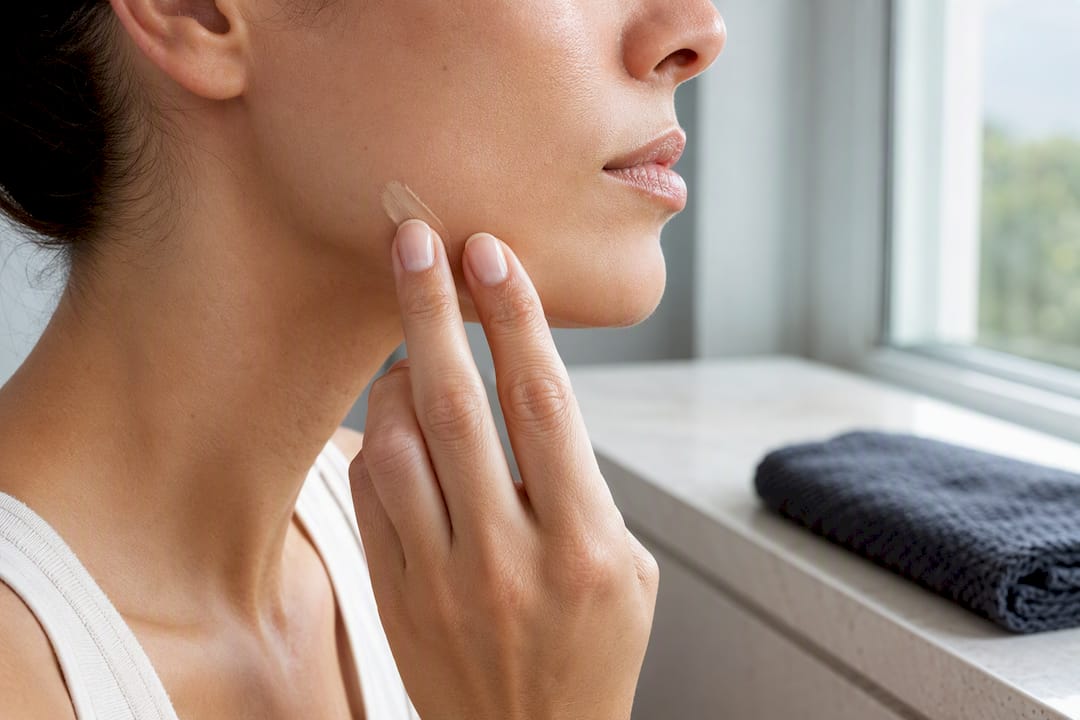
- Use roughly a quarter teaspoon (about the size of a nickel-sized dollop) for the face and neck alone. Most people apply a third to a half of this amount, which cuts your effective SPF dramatically.
- Apply sunscreen as the last step of your morning skincare, after any treatment serums but before makeup.
- If you use hydroquinone, azelaic acid, or a retinoid at night, apply your morning treatment first and let it absorb for a few minutes before sunscreen to avoid pilling or irritation.
- Blend until you see even, streak-free coverage, checking under natural light near a window if possible.
- For reapplication over makeup, use the “sandwich method”: press a setting spray or mist with SPF over your makeup, or use a pressed mineral powder with iron oxides pressed gently on top with a brush.
- Reapply at least once at midday, and every two hours if you’re outdoors for extended periods.
Indoors isn’t a free pass. Window glass blocks most UVB but lets a meaningful amount of UVA and nearly all visible light through, and desk lighting and screen exposure add a smaller but real dose of blue light over an eight-hour day. Keeping a tinted powder with iron oxides at your desk for a midday touch-up covers that gap without requiring a full reapplication.
Pro Tip: Keep a travel-size tinted sunscreen or a pressed powder compact in your car, bag, and desk drawer. The version you never have on hand is the one you’ll skip.
Clinic-Backed Evidence and Realistic Expectations
The 12-week mark is the number to remember. That’s the timeline used in the randomized trial comparing SPF50+ with iron oxides against SPF50+ alone, and it’s a realistic window for judging whether your routine is working.
Melasma doesn’t fade in days, and patients often assume a product has failed when really they just haven’t given it enough time or haven’t applied it consistently enough.
Twelve weeks of rigorous, correct daily application is the honest benchmark. Judging a sunscreen or a treatment plan any sooner sets patients up to quit right before results would show.
That 12-week framework shapes how patients are counseled to manage melasma consistently. Consistency matters more than any single ingredient swap, and patients who stick with tinted, iron-oxide sunscreen daily tend to report steadier improvement than those who rotate products looking for a faster fix. For a broader look at building that daily habit, see our guide on preventing hyperpigmentation.
When Sunscreen Alone Isn’t Enough
Sunscreen is foundational, not a cure on its own. If you’ve used a tinted, iron-oxide, SPF 50+ formula correctly and daily for around 12 weeks with no meaningful change, it’s time for a clinical evaluation rather than another product swap.
- Topical agents like hydroquinone, azelaic acid, or Thiamidol are commonly used under medical supervision alongside sunscreen, not instead of it.
- Procedural options, including certain laser and peel treatments, exist for stubborn cases but carry a real risk of worsening melasma if photoprotection lapses afterward.
- Rigorous sun protection before and after any procedure isn’t optional. Skipping it is the most common reason procedural results relapse within months.
A dermatologist can also rule out other causes of facial pigmentation that mimic melasma, since postinflammatory hyperpigmentation often gets misdiagnosed as melasma or vice versa.
Our Take on Product Selection and Patient Adherence
The biggest mistake we see isn’t ingredient selection. It’s patients buying the “correct” clinical sunscreen, using it twice, disliking the texture or the tint match, and quietly going back to a product with zero iron oxide content because it feels nicer on the skin.
We’d rather see a patient using a decent tinted mineral sunscreen every day than a perfect one twice a week. That’s not a compromise on the science. It’s an acknowledgment of how adherence actually works. When we counsel melasma patients, we spend real time matching tint to skin tone and texture to lifestyle, because the ingredient panel only matters if the bottle gets picked up every morning. Iron oxide concentration matters, but a sunscreen sitting unused in a bathroom drawer has a concentration of zero.
If there’s one place the industry oversimplifies things, it’s treating “SPF 50” as the whole answer. It’s the floor, not the ceiling, for melasma specifically.
— Rao Dermatology
How Rao Dermatology Can Help You Manage Melasma
Getting sunscreen right is the foundation, but melasma often needs more than a good morning routine, especially when pigmentation has been present for months or years or hasn’t responded to over-the-counter products. Rao Dermatology’s medical dermatology team evaluates hyperpigmentation cases across our California, New Jersey, and New York locations, working out whether your pigmentation is melasma, postinflammatory hyperpigmentation, or something else entirely before recommending a plan.
Prescription-strength topical agents, procedural options, and ongoing monitoring all require an in-person evaluation, since melasma responds differently from patient to patient and the wrong procedure can make it worse. If daily photoprotection hasn’t gotten you the results you expected after a few months, it’s worth a proper look. Visit our medical dermatology services page to learn more, or reach out to schedule a consultation at one of our offices.
This article is general information, not a substitute for advice from a qualified doctor. Consult a qualified healthcare professional about your own circumstances before acting on anything here.
Sources
- Randomized trial: SPF50+ + iron oxide vs SPF50+ alone (2025)
- Product analysis: iron oxides in tinted sunscreens (2026)
- The role of sunscreen in melasma and postinflammatory hyperpigmentation (2020)
FAQ
What is the best sunscreen cream for melasma?
A broad-spectrum, SPF 50+ tinted mineral sunscreen containing iron oxides is the best option for melasma, since it protects against UVA1 and visible light in addition to standard UV rays.
Will sunscreen remove melasma?
Sunscreen alone doesn’t remove existing melasma, but it prevents new pigmentation from forming and keeps existing patches from darkening further, which is essential for any treatment to work. A 12-week trial found iron-oxide sunscreen use led to superior radiance improvement compared with SPF alone.
How do Koreans treat melasma?
Skincare routines popular in South Korea typically combine rigorous, layered sun protection (often multiple SPF applications plus physical barriers like hats) with topical brightening ingredients and in-clinic treatments such as lasers or peels, always paired with strict daily photoprotection.
What triggers melasma to worsen?
Melasma commonly worsens from UV exposure, visible light (including sunlight and some indoor lighting), heat, hormonal changes such as pregnancy or oral contraceptives, and certain medications that increase photosensitivity.
Does sunscreen help melasma if I already use a treatment cream?
Yes. Topical treatments like hydroquinone or azelaic acid work best when paired with daily broad-spectrum, iron-oxide sunscreen, since unprotected skin can undo the progress those treatments make.
Recommended
Filed under: