
Evidence-first RF microneedling guide for patients: who qualifies, FDA safety concerns, device settings to request, and what 3–4 sessions typically...
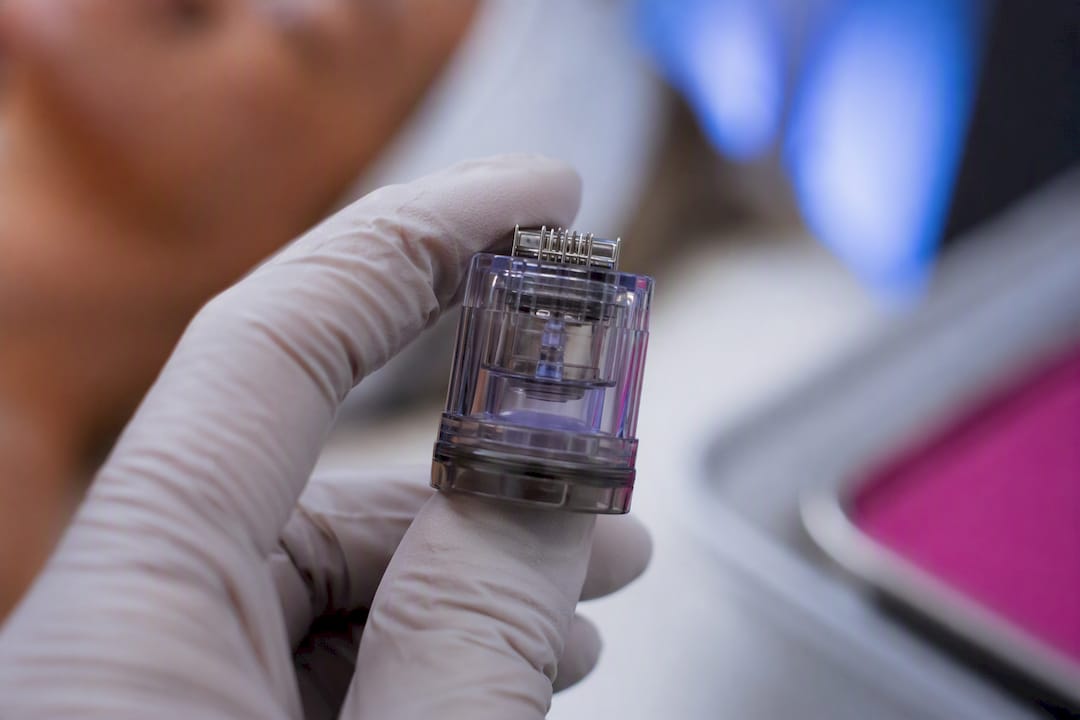
RF microneedling combines controlled microneedle punctures with radiofrequency energy to remodel collagen deeper than standard microneedling alone, typically improving acne scars, texture, and mild skin laxity within three to six months. Most patients need three to four sessions spaced weeks apart. The FDA has flagged serious complications tied to certain devices and settings, so this is a procedure for licensed clinicians, not a solo project. Talk to a board-certified dermatologist before you book anything.
TL;DR:
- RF microneedling’s effectiveness depends heavily on device settings, including needle insulation, depth, and energy, which require professional customization for each patient.
- Most patients see 25 to 75% improvement in acne scars after three to four sessions, with results continuing to develop up to three months post-treatment.
- The procedure carries risks like burns and scarring, especially if aggressive settings are used improperly by inexperienced providers, making licensed clinicians essential.
- Darker skin types face a higher risk of post-inflammatory hyperpigmentation, but insulated needles and conservative settings can mitigate this risk.
- Full collagen remodeling and skin improvements generally take three to six months, requiring patient patience and detailed aftercare.
Table of Contents
- How Does RF Microneedling Work?
- What Does RF Microneedling Actually Improve?
- Are You a Good Candidate for This Treatment?
- What Happens During a Treatment Session?
- How Long Is Recovery, and What Should You Do?
- What Are the Risks, and How Are They Prevented?
- What Does the Research Actually Show?
- How Do You Choose a Qualified Provider?
- Rao Dermatology’s Approach to RF Microneedling
- Ready to Explore RF Microneedling With Rao Dermatology?
- Sources
- FAQ
How Does RF Microneedling Work?
Standard microneedling punctures the skin to trigger a wound-healing response. RF microneedling does that too, but each needle also delivers radiofrequency energy into the dermis, creating small, controlled zones of heat beneath the surface. That heat denatures existing collagen and kicks off a longer remodeling process that keeps producing new collagen and elastin for months after the appointment ends.
The mechanism matters because it changes where the injury happens. A fractional laser burns from the surface down, which is effective but riskier for melanin-rich skin. RF microneedling delivers energy directly into dermal depth through the needles themselves, largely bypassing the epidermis. That is the core reason many dermatologists reach for RF microneedling over laser vs. microneedling debates when treating darker skin types: less epidermal heat generally means lower risk of post-inflammatory hyperpigmentation.
Not all devices work the same way, and the differences aren’t cosmetic. They change both results and risk:
- Insulated vs. non-insulated needles. Insulated needles release energy only at the tip, concentrating heat at target depth and sparing the skin’s surface. Non-insulated needles heat the entire needle path, including the epidermis, which raises burn and pigment risk in sensitive skin.
- Bipolar vs. monopolar/fractional delivery. Bipolar systems pass energy between paired needles for a shallower, more contained thermal zone. Monopolar and fractional configurations can reach deeper tissue but require more precise control.
- Needle depth. Settings typically range from under 1mm for surface texture to 3mm or more for deeper scarring or laxity; deeper isn’t automatically better, since going too deep in the wrong area invites complications.
- Energy per pin and pulse width. Higher energy and longer pulse width intensify collagen disruption but also intensify downtime and risk. Experienced providers dial these up gradually across sessions rather than maxing out on visit one.
This is also why device brand matters less than most marketing suggests. Popular platforms like Morpheus8 fall into this same insulated fractional category, and the outcome depends far more on how a clinician sets depth, energy, and pulse width for your specific skin than which logo is on the handpiece.
What Does RF Microneedling Actually Improve?
The strongest evidence backs acne scars, and it’s not subtle. Clinical reviews report a typical improvement ranging broadly after multiple sessions, with the most visible results settling in around three months after the final treatment. Boxcar and rolling scars tend to respond better than deep, narrow icepick scars, which sometimes need subcision or filler alongside RF microneedling to close the gap.
Quick reference: Most acne scar patients see 25 to 75% improvement over a course of three to four sessions, with results continuing to mature for up to three months after treatment ends.
Beyond scarring, the evidence gets more mixed in strength:
- Skin texture and fine lines: Consistently improved, with visible smoothing that builds over successive sessions.
- Mild to moderate laxity: Improved but modest. This is not a substitute for a facelift or heavier energy-based tightening; it’s a maintenance and prevention tool for early sagging.
- Enlarged pores: Often tighten as collagen fills the surrounding dermis, though results vary by pore depth and cause.
- Stretch marks: Some clinical improvement reported, generally better on newer, still-pink stretch marks than old, silvery ones.
- Hyperhidrosis: A smaller but real use case. RF energy can damage sweat glands in treated areas, reducing localized excessive sweating, most commonly studied for the underarms.
Providers increasingly pair RF microneedling with adjunct treatments like PRP or topical growth factors to speed visible improvement, and split-face trials back that combination approach with high patient satisfaction and minimal added downtime.
Are You a Good Candidate for This Treatment?
Good candidates share a few traits: realistic expectations, healthy skin free of active breakouts, and the patience to commit to a multi-session course rather than expecting a one-visit fix. If your main concern is severe skin laxity or deep volume loss, RF microneedling will help at the margins, not solve the underlying problem.
Contraindications fall into two tiers. Before scheduling anything, confirm none of these apply:
- Active skin infection or inflammation in the treatment area, including active acne breakouts or cold sores.
- Pregnancy. Most clinics decline elective cosmetic RF treatments during pregnancy as a precaution, even without documented fetal risk.
- Recent isotretinoin use. Providers typically require six to twelve months off isotretinoin before any resurfacing procedure to avoid impaired healing and scarring risk.
- Bleeding disorders or blood-thinning medication that isn’t medically managed, since the procedure causes controlled pinpoint bleeding by design.
- History of keloid scarring, which raises the odds of an exaggerated healing response.
- Darker Fitzpatrick skin types aren’t excluded, but they carry a higher relative risk of post-inflammatory hyperpigmentation and need more conservative settings and stricter aftercare.
None of this is a checklist you should self-assess from a blog post. A dermatologist needs your full medical history, current medications, and skin type before setting a single dial on the device, because the wrong assumption here shows up on your face for months, not days.
What Happens During a Treatment Session?
A typical RF microneedling visit is more clinical than spa-like, and knowing the sequence removes most of the anxiety.
- Consultation and photos. The provider examines your skin, reviews your history, and takes standardized photos for before-and-after comparison. This is also when informed consent is documented, including a discussion of realistic outcomes and risks.
- Topical or local anesthesia. A numbing cream sits on the skin for 20 to 45 minutes before treatment. Deeper settings or larger areas sometimes call for local anesthetic injections instead.
- Device passes. The provider moves the handpiece across the treatment zone in a grid pattern, adjusting depth and energy by facial region. Thinner skin near the eyes gets shallower settings than the cheeks or jawline.
- Cooling and immediate care. A cooling gel or cold air device calms the skin right after treatment, and a soothing serum or occlusive balm often goes on before you leave.
Expect a warm, prickling sensation during the passes, more intense than standard microneedling because of the heat component, though numbing keeps most patients comfortable. Pinpoint bleeding and visible redness are normal immediately afterward, sometimes with mild swelling that peaks the next day. A full-face session typically runs 30 to 60 minutes, and most providers complete two to three passes per session depending on the treatment goal.
Pro Tip: Ask your provider what depth and energy setting they used at the end of the visit, and write it down. If you return for a follow-up session, that number gives your next provider, or the same one, a real baseline instead of a guess.
How Long Is Recovery, and What Should You Do?
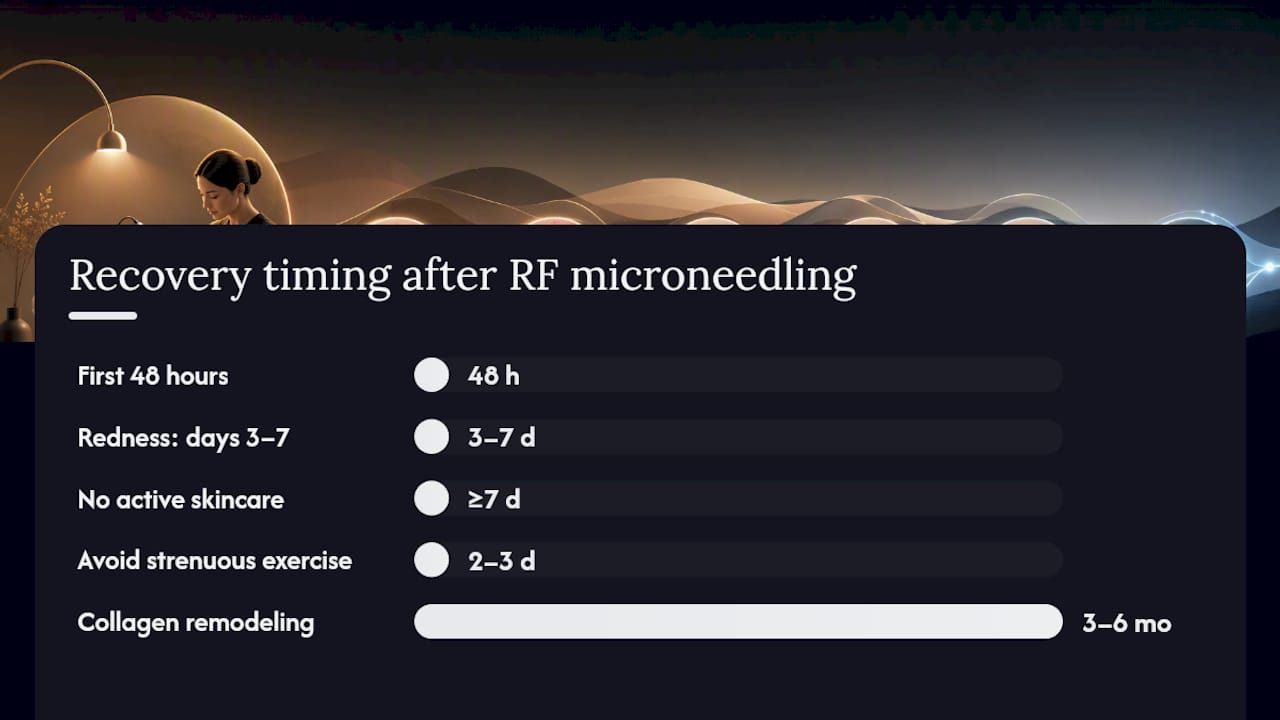
The first 48 hours matter most. Skin looks flushed, feels tight, and may ooze slightly in the hours right after treatment, similar to a moderate sunburn. Ice packs wrapped in cloth help with swelling, and most clinics recommend skipping makeup for at least 24 hours to reduce infection risk while pinpoint punctures close.
By day three to seven, visible redness fades to a pink flush, and light makeup is usually fine once the skin barrier feels intact. This window is when patients are tempted to resume their normal routine too fast. Don’t.
- Skip retinoids, exfoliating acids, and any active skincare for at least a week, longer if your provider says so.
- Apply broad-spectrum SPF 30 or higher daily, since new skin cells are far more vulnerable to UV damage and pigment changes during healing.
- Keep skincare simple: a gentle cleanser and a bland moisturizer are enough for the first week.
- Avoid strenuous exercise or heavy sweating for two to three days to limit irritation and infection risk.
Collagen remodeling doesn’t follow a neat calendar. Some smoothing shows up within a couple of weeks, but the full dermal remodeling process typically takes three to six months to mature completely, which is why patience matters more than most patients expect going in. Contact your provider promptly if you notice worsening pain after day two, pus or unusual discharge, fever, or any area that looks like it’s blistering rather than simply healing. Those are signs that need clinical attention, not home remedies.
What Are the Risks, and How Are They Prevented?
Most side effects are minor and expected: redness, swelling, and light scabbing that clears within a week. The rare complications are the ones that deserve real attention. The FDA’s safety communication on RF microneedling devices names burns, scarring, fat loss, disfigurement, and nerve damage among reported serious adverse events, almost always tied to improper device use or aggressive settings rather than the technology itself.
The FDA has recommended that RF microneedling procedures be performed only by licensed health care providers trained on the specific device being used, given the documented reports of serious injury when protocols aren’t followed correctly.
Risk climbs with a few identifiable factors: excessive energy settings, non-insulated needles used on sensitive areas, an inexperienced operator, and skipping conservative test settings before committing to deeper passes. Darker skin types carry an added risk of post-inflammatory hyperpigmentation regardless of technique, though insulated-needle devices measurably reduce that risk compared with non-insulated systems.
Mitigation isn’t complicated, but it requires discipline from the provider:
- Start with conservative energy and depth, increasing gradually across sessions rather than in one aggressive visit.
- Use insulated needles for higher-risk skin types and thinner anatomical areas.
- Follow a written pre- and post-treatment protocol, including strict sun protection.
- Document informed consent that specifically covers the FDA-identified risks, not just generic “you might get red” language.
Before your first session, ask directly what settings the provider plans to use and why. A provider who can’t answer that clearly is a red flag worth walking away from.
What Does the Research Actually Show?
A 2026 systematic review pooling results across multiple studies concluded that RF microneedling is generally safe and effective for acne scars, texture, and skin laxity. The same review flagged a real problem: device settings, needle types, and outcome measures vary so much from study to study that comparing results directly is difficult, and the authors called for standardized reporting going forward.
What the numbers actually say: Acne scar improvement clusters between 25% and 75% after three to four sessions, with results continuing to refine for up to three months post-treatment. Full collagen remodeling for texture and laxity generally takes three to six months to complete.
The evidence gaps are worth knowing before you set expectations. Most published studies track outcomes for six to twelve months at most, so long-term durability beyond a year is thinner data than most marketing implies. Device heterogeneity also means a result reported for one insulated bipolar device doesn’t automatically transfer to a different monopolar fractional system. When you look at a clinic’s before-and-after photos, check the timestamp between them. Photos taken two weeks apart show swelling reduction, not real collagen results.
How Do You Choose a Qualified Provider?
The device matters less than who is holding it. Look for physician-led practices where the person running the device has documented training on that specific model, not a generic aesthetics certificate. A clinic that’s transparent about its equipment and process usually treats the procedure itself with the same seriousness.
Signs of a well-run practice worth trusting:
- Willingness to name the exact device model and explain typical settings for your skin type.
- Before-and-after photos with visible dates and consistent lighting, not cherry-picked best cases.
- A written aftercare plan handed to you, not just spoken instructions you’re supposed to remember.
- A clear plan for what happens if you experience a complication, including who you call and how fast they respond.
Before booking, ask about needle insulation, planned depth and energy for your specific concern, how many sessions they recommend and why, pain management options, and a real cost estimate rather than a vague range. If the cost feels unusually low compared to other consultations you’ve had, ask why. Undercutting on price often means undercutting on device quality, operator training, or session time.
Red flags are usually obvious once you’re looking for them: heavy pressure to buy an eight-session package on your first visit, refusal to disclose the device brand or settings, or a provider suggesting an at-home RF device can replicate clinical results. It can’t. Consumer devices operate at a fraction of the energy used in medical settings for a reason.
Rao Dermatology’s Approach to RF Microneedling
Dr. Babar K. Rao has practiced dermatology for more than 25 years, and Rao Dermatology built its RF microneedling protocols around the same principle that guides the rest of the practice: settings follow the patient, not the other way around. Every consultation starts with an actual skin assessment, not a standard package pitch.
For higher-risk phototypes, the practice defaults to insulated-needle devices and more conservative energy, staging depth increases across sessions rather than pushing for dramatic results in one visit. That approach costs a little more patience up front. It pays off in fewer pigment complications later, particularly for patients who’ve been burned, literally, by more aggressive treatment elsewhere.
Rao Dermatology also leans on combination therapy where the evidence supports it, pairing RF microneedling with adjunctive options like mesoneedling for stubborn pigmentation or broader skin rejuvenation plans when a patient’s goals go beyond what one modality can deliver.
— Rao Dermatology
Ready to Explore RF Microneedling With Rao Dermatology?
Rao Dermatology offers RF microneedling as part of its cosmetic dermatology services, delivered by a practice with over 25 years of dermatologic experience across California, New Jersey, and New York. That combination of medical oversight and cosmetic expertise matters here specifically because RF microneedling sits at the intersection of both: a licensed clinician who understands skin biology, not just aesthetics, is who you want holding that device.

A consultation starts with a real skin assessment: your history, medications, prior treatments, and scarring or laxity concerns, so the treatment plan is built around your skin type and goals rather than a one-size protocol. Bring a list of current medications and any recent isotretinoin use, since that timeline directly affects when treatment can safely start. If cost planning matters to you, Rao Dermatology’s published microneedling cost breakdown walks through what typically drives price up or down, and financing options are available for multi-session courses. Visit Rao Dermatology’s services page to book a consultation and get an individualized plan instead of a guess.
Sources
- Potential Risks with Certain Uses of Radiofrequency (RF) Microneedling – FDA
- Effectiveness of Radiofrequency Microneedling in the Treatment of Dermatological Conditions: A Systematic Review
- Use of radiofrequency in cosmetic dermatology: focus on nonablative treatment of acne scars
- Complications of radiofrequency microneedling: a comprehensive review
FAQ
Does RF microneedling really work?
Yes, for the indications it’s studied for. Acne scars improve by a typical improvement ranging broadly after multiple sessions, and texture, mild laxity, and enlarged pores show consistent, measurable improvement in clinical reviews.
Why do some plastic surgeons prefer other treatments over RF microneedling?
Some surgeons view RF microneedling as too conservative for significant laxity or volume loss, since it works incrementally through collagen remodeling rather than delivering the immediate structural change a surgical lift provides. It’s a complementary tool for early aging and scarring, not a replacement for surgery in advanced cases.
What is the main downside of RF microneedling?
The biggest downsides are the multi-session commitment and the gradual timeline, since full results take three to six months to mature. Rare but serious risks, including burns and scarring, do occur when devices are used improperly, which is why the FDA recommends licensed provider administration.
How often should you get RF microneedling done?
Most treatment courses call for three to four sessions spaced four to six weeks apart, followed by maintenance sessions every six to twelve months depending on your skin’s response and goals. Your provider adjusts this schedule based on how your skin heals between visits.
Is RF microneedling better than laser treatments for scars?
For darker skin types, RF microneedling often carries lower pigment risk than ablative lasers because it delivers heat into the dermis rather than the surface. For lighter skin with deep scarring, a fractional laser vs. microneedling comparison may favor the laser for more dramatic single-session results, though RF microneedling typically means less downtime.
Recommended
Filed under: