
Plan your U.S. microneedling budget: per session $200–$800, typical program $600–$4,000, and which add ons drive up the price.
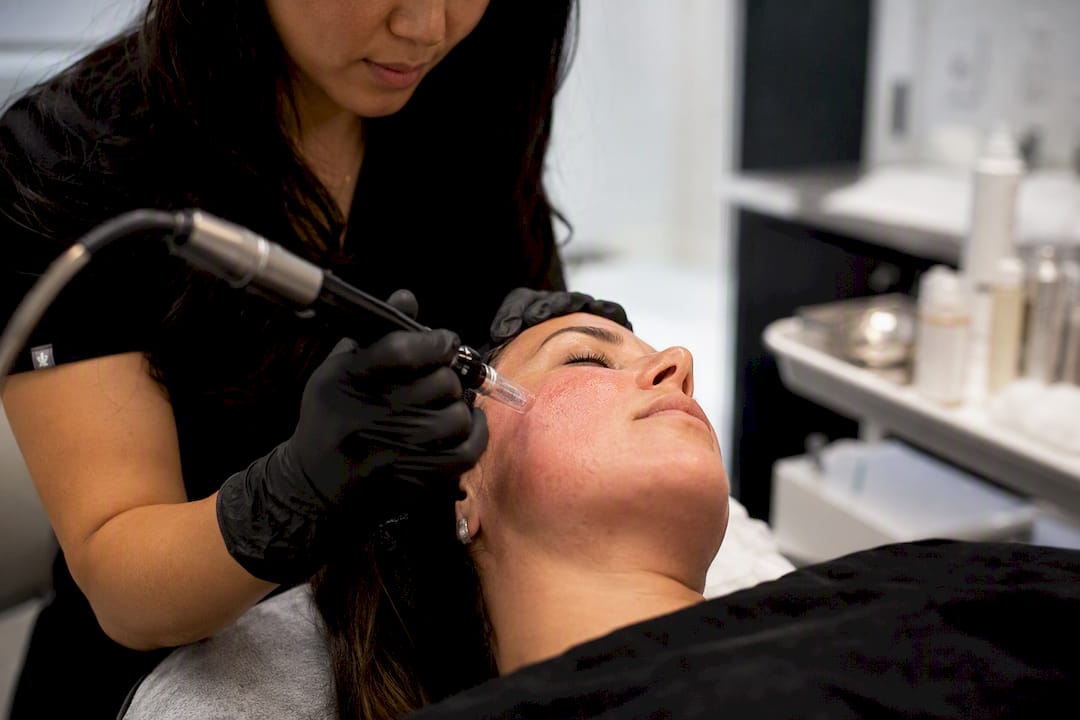
Professional microneedling in the U.S. typically runs $200 to $800 per session, with most patients landing near a national average of $938 once you factor in add-ons and follow-ups. A realistic 3 to 6 session program usually totals somewhere between $600 and $4,000. The exact number swings hard based on the device used, whether PRP gets added, who’s holding the pen, and which state you’re sitting in.
TL;DR:
- Costs vary widely depending on device type, provider credentials, location, and treatment extent, with prices ranging from $200 to over $700 per session.
- Additional charges for PRP, RF technology, numbing, and larger areas can significantly increase the total cost of a treatment plan, often adding hundreds of dollars per session.
- The number of sessions needed depends on individual skin concerns, with mild cases potentially improving in three treatments and more severe issues requiring four to six sessions spaced weeks apart.
- In high-cost metropolitan areas, prices can exceed $390 per session, while rural markets may offer treatments for under $100, influencing budget and provider choice.
- Proper provider selection involves verifying credentials, device safety, sterile procedures, and realistic expectations to avoid complications and ensure effective results.
Table of Contents
- What Drives Microneedling Cost Per Session?
- Does Microneedling Cost More in Some States?
- How Many Microneedling Sessions Will You Actually Need?
- Will Insurance or an HSA Cover Microneedling?
- How to Choose a Safe, Qualified Microneedling Provider
- What to Expect Before, During, and After Treatment
- What Rao Dermatology’s Clinical Team Wants You to Know
- Why an In-Person Consult Beats Any Online Price Estimate
- Get a Personalized Microneedling Quote at Rao Dermatology
- Sources
- FAQ
What Drives Microneedling Cost Per Session?
The price on a treatment menu rarely tells the whole story. Standard microneedling, the kind using a stamping or rolling device to create controlled micro-injuries, typically falls between $200 and $800 per session, according to Healthline’s overview of the procedure. That’s the baseline. Everything else on top of it is what pushes a quote toward the higher end.
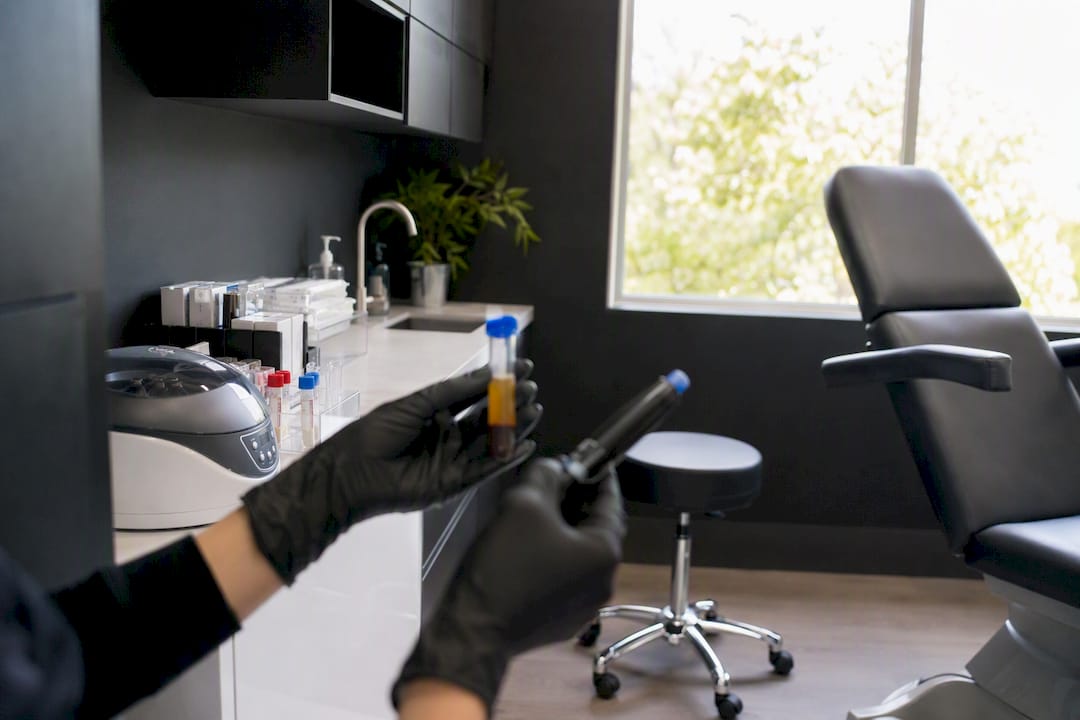
Radiofrequency (RF) microneedling changes the math because it combines needle penetration with heat energy that tightens deeper tissue. That extra technology, and the equipment cost behind it, means RF treatments and PRP add-ons increase pricing compared to standard sessions, often by several hundred dollars per visit. Adding platelet-rich plasma (the “vampire facial”) means drawing and spinning your own blood in a centrifuge before it goes back into your skin, which adds lab processing costs, single-use kits, and provider time.
Typical add-ons that raise your bill:
- PRP or exosome serums: often $150 to $500 added per session
- Topical numbing cream or lidocaine: sometimes bundled, sometimes $25 to $75 extra
- Post-care kits (growth-factor serums, barrier creams): $50 to $200
- Extended treatment area (neck, chest, hands): additional per-zone fees
Provider credentials matter just as much as the device. An esthetician working under supervision in a medspa setting generally charges less than a registered nurse, and a board-certified dermatologist’s office often prices higher still. That’s not just a paperwork distinction. Clinical teams that prioritize proper device calibration, controlled needle depth, and sterile consumables produce more predictable results, and that quality control is baked into the price you’re paying at a dermatology-run practice.
Pro Tip: Ask exactly which needle depth your provider uses for your concern. Superficial texture work needs shallower penetration than acne scarring, and a provider quoting the same depth for every patient may not be customizing your treatment.
Here’s how the same “microneedling for acne scars” request can generate wildly different quotes: a medspa esthetician using a basic device might quote $250, a nurse-run clinic adding numbing and aftercare might land at $450, and a dermatology practice combining microneedling with PRP for deeper scarring could reasonably quote $700 or more. All three might produce different results.
Does Microneedling Cost More in Some States?
Yes, and the gap is bigger than most people expect. Big-city markets with higher rent, higher wages, and denser competition for board-certified providers tend to charge more per session. Smaller metro and rural markets, where overhead is lower and med spas compete harder for local clients, often price sessions well below the national figures.
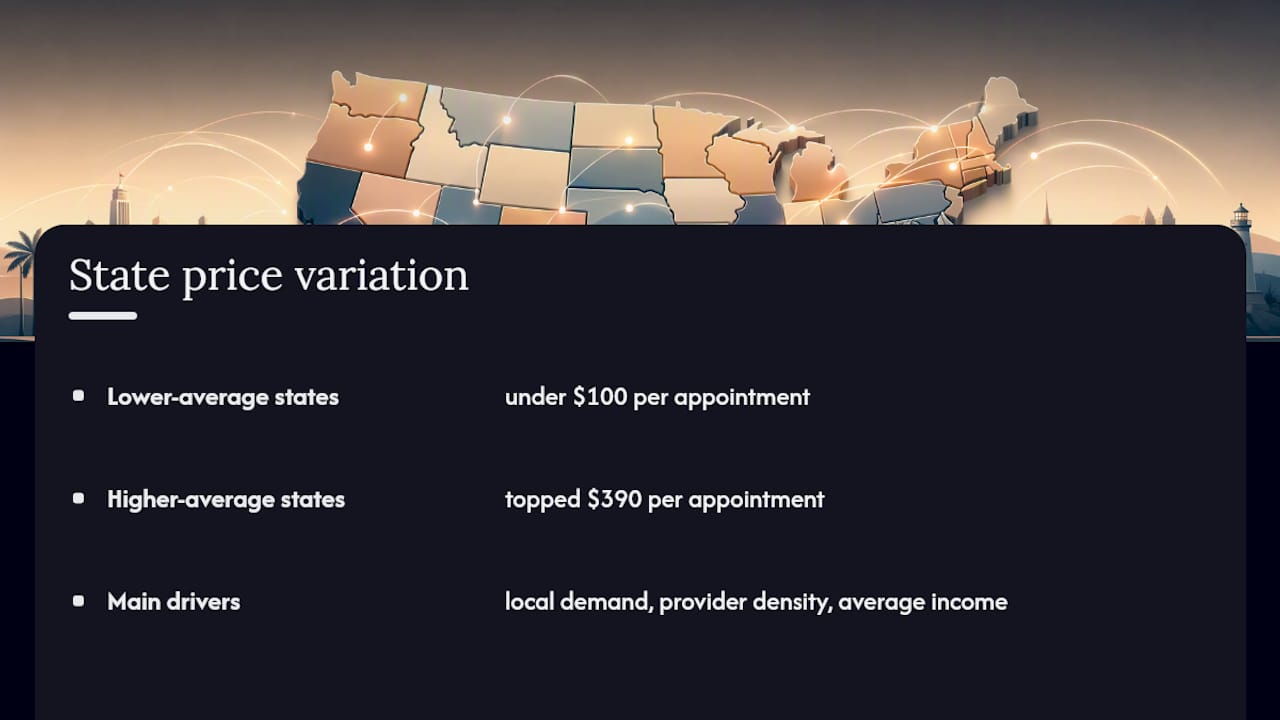
Booking-platform data makes the regional spread obvious. StyleSeat’s pricing analysis found some states averaging under $100 per appointment while others topped $390, a difference driven by local demand, provider density, and average income in that market.
Real-world booking data shows this kind of variation is the norm, not the exception, so your neighbor’s quote three states over tells you almost nothing about what you’ll pay locally.
If your local prices run high, you have two practical levers: travel to a nearby lower-cost metro for treatment, or stick local but choose a provider tier (esthetician versus dermatologist) that matches your specific goal rather than defaulting to the priciest option in town. For anything involving PRP or RF, though, provider tier matters more than travel distance.
How Many Microneedling Sessions Will You Actually Need?
Session count depends entirely on what you’re treating, and this is where budgets often go sideways. Someone chasing mild texture improvement might see results in 3 sessions. Someone addressing established acne scarring or stubborn hyperpigmentation usually needs 4 to 6, spaced four to six weeks apart to let collagen remodeling do its work between visits.
Here’s how that plays out in real budget terms:
- Low scenario: 3 sessions at $250 each (esthetician-level, standard microneedling) = $750 total
- Mid scenario: 4 sessions at $500 each (nurse or PA-level, with numbing and basic aftercare) = $2,000 total
- High scenario: 6 sessions at $700 each (dermatology practice, RF or PRP included) = $4,200 total
Many practices offer package pricing for 3 or more sessions booked upfront, which can shave 10 to 15% off the per-session rate. After the initial series, expect maintenance visits every 3 to 6 months to preserve results, each priced roughly the same as your original per-session rate.
Will Insurance or an HSA Cover Microneedling?
Almost never, at least not for the reason most people are getting it done. Payer policy language consistently classifies microneedling as cosmetic and not medically necessary, meaning routine treatment for fine lines, texture, or general skin quality comes out of your own pocket, full stop.
There’s a narrow exception. If microneedling is being used to treat a documented functional impairment, like significant scarring that restricts movement or a diagnosed skin condition rather than a purely cosmetic complaint, a provider’s detailed medical documentation can sometimes open a path to partial coverage or HSA/FSA eligibility. Insurers frequently require this kind of clear medical indication before they’ll even consider it.
Practical payment paths that actually work for most patients:
- Clinic-offered package pricing across multiple sessions
- Third-party medical financing plans (many practices partner with financing companies)
- HSA or FSA funds, if your plan explicitly allows cosmetic procedures with a doctor’s note
Pro Tip: Call your insurance plan directly before your consult and ask specifically whether “collagen induction therapy” or “microneedling” is excluded under cosmetic procedures. Getting that answer in writing avoids surprise denials later.
How to Choose a Safe, Qualified Microneedling Provider
A cheap quote that leads to scarring or infection isn’t actually cheap. Before booking anywhere, run through a short checklist:
- Confirm the provider’s credentials (esthetician license, RN, PA, or board-certified dermatologist)
- Ask which device model they use and whether it’s FDA-cleared
- Verify sterile, single-use needle cartridges for every patient
- Request dated before-and-after photos of real patients, not stock images
- Confirm they provide written consent forms and a follow-up plan
At your consultation, ask these questions directly: What’s the total price including any numbing, serums, or aftercare products? Is that quote per session or for the full package? What happens if I have a reaction, and is that follow-up included in the price? How many sessions do you realistically expect I’ll need for my goal?
Watch for red flags: any invasive procedure happening without medical oversight, pricing that’s vague until after you’ve committed, or “too good to be true” discounts on PRP or RF treatments, which require real lab processing and equipment costs that can’t be discounted away. Outcomes and complication rates improve meaningfully when procedures happen under proper medical oversight, a point the American Academy of Dermatology emphasizes for good reason.
What to Expect Before, During, and After Treatment
Budgeting for microneedling means accounting for more than just the device time.
- Before your session: Many practices charge a separate consultation fee, though some waive it if you book treatment the same visit. Expect to discuss your skin history, medications, and goals.
- During treatment: A topical numbing cream typically sits on your skin for 20 to 30 minutes first. The actual microneedling procedure usually takes 30 to 60 minutes depending on treatment area, with a sensation most patients describe as vibrating pressure rather than sharp pain.
- After treatment: Expect redness and mild swelling for 24 to 72 hours. You’ll likely need to purchase gentle cleansers, barrier-repair serums, and daily sunscreen, none of which are optional if you want your results to hold. Budget a follow-up visit around 4 to 6 weeks later to assess progress.
What Rao Dermatology’s Clinical Team Wants You to Know
Under the leadership of Dr. Babar K. Rao, Rao Dermatology’s licensed estheticians and clinical staff across California, New Jersey, and New York evaluate every microneedling candidate individually rather than defaulting to a one-size treatment plan. Standard microneedling suits mild texture and pore concerns; RF microneedling or laser resurfacing often serves deeper scarring better. PRP add-ons require genuine clinical oversight, since blood processing and reinjection carry real technique-dependent risk. A safe package structure typically bundles a defined session count with built-in follow-up, not just a stack of discounted appointments.
Why an In-Person Consult Beats Any Online Price Estimate
No article can tell you your exact price because your skin, not a national average, sets your treatment plan. Use the provider checklist above at your consult and insist on an all-in quote covering sessions, add-ons, and follow-up before you commit to anything.
— Rao Dermatology
Get a Personalized Microneedling Quote at Rao Dermatology
Rao Dermatology’s licensed estheticians offer microneedling and related cosmetic treatments across California, New Jersey, and New York, with each treatment plan built around your specific skin goals rather than a generic price sheet.

That individualized approach is the real advantage over guessing at national averages: instead of estimating your own needs from a pricing chart, you get an in-person assessment that accounts for your skin type, scarring pattern, and budget, then a package recommendation that actually fits. Rao Dermatology’s team can walk you through whether standard microneedling, RF, or a PRP-enhanced protocol makes sense for your goals, and what a realistic total program cost looks like for your specific skin. Browse the cosmetic dermatology services offered across all three states, or visit the full services page to schedule a consultation and walk out with a real, all-in price estimate instead of a national average.
This article is general information, not a substitute for advice from a qualified doctor. Consult a qualified healthcare professional about your own circumstances before acting on anything here.
Sources
- Microneedling Cost and Procedure Guide
- Microneedling: Benefits, Side Effects, Cost, Results
- How Much Does Microneedling Cost? 2023 Data - StyleSeat
- AAD: Microneedling
FAQ
How much do 3 sessions of microneedling cost?
Three sessions of standard microneedling typically total between $600 and $4,000 depending on your provider’s credentials and whether add-ons like PRP or numbing are included.
Is microneedling worth the money?
For texture, fine lines, and mild scarring, many patients see real improvement, and peer-reviewed research supports its collagen-stimulating mechanism, though results depend heavily on provider skill and realistic expectations going in.
Is 40 too old for microneedling?
No. Microneedling is commonly used on mature skin to address fine lines, texture, and sun damage, and age alone isn’t a disqualifying factor as long as your skin and health history are appropriate for the procedure.
How long does microneedling on your face last?
Results from a full session series typically last several months to a year, and most patients schedule maintenance sessions every 3 to 6 months to sustain the collagen-building effect.
Recommended
Filed under: