
Plan U.S. lip filler budgets with per syringe prices ($500–$1,200), regional and brand examples, plus Rao Dermatology's safety checklist before you book.
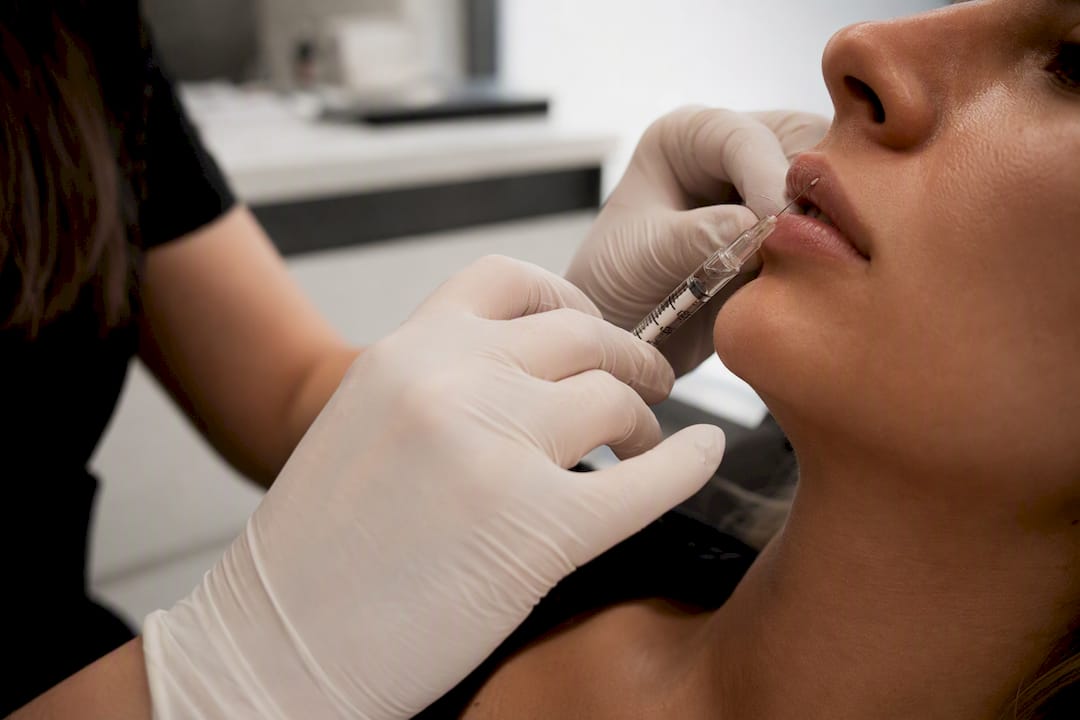
Expect a typical U.S. lip filler syringe to run $500 to $1,200, with most full treatments landing between $700 and $1,500 once you factor in injector fees. The American Society of Plastic Surgeons puts the national average for lip augmentation with dermal fillers at about $743, and clinics typically quote by the syringe (1 mL), with half-syringe (0.5 mL) options priced lower. Cosmetic lip filler is an out-of-pocket expense; insurance doesn’t cover it.
TL;DR:
- Lip filler prices vary significantly by region, with major cities charging on the higher end of the $500 to $1,200 per syringe range due to higher overheads.
- Most treatment costs include multiple components such as consultation, product, injector fee, facility fee, and follow-up visits, which can cause the total expense to exceed initial quotes.
- Brand choice impacts long-term value, as newer formulations with longer-lasting effects tend to be more cost-effective despite higher upfront prices.
- For first-time patients seeking subtle results, a half-syringe (0.5 mL) usually costs between $300 and $650, while a full syringe (1 mL) averages around $743 nationally.
- Safety depends more on provider credentials, technique, and emergency preparedness than on price, making certification and emergency protocols critical factors in choosing a clinic.
Table of Contents
- Lip Filler Cost Breakdown: What’s Actually Included
- How Much Do Lip Fillers Cost by Brand?
- Why Lip Filler Prices Swing So Much by Region
- What Actually Justifies a Higher Price Tag
- How Many Syringes You’ll Actually Need
- The Fine Print: Fees You Might Not See Upfront
- Safety Checklist: What to Verify Before You Book
- Comparing Quotes: What to Ask Before You Commit
- Rao Dermatology’s Take on Pricing and Patient Safety
- Ready to Talk Lip Enhancement Pricing With a Specialist?
- Sources
- FAQ
Lip Filler Cost Breakdown: What’s Actually Included
A quoted price rarely means just “the gel in your lips.” Most reputable practices bundle several components into one number, and knowing what’s baked in helps you compare quotes that look wildly different on the surface.
- Consultation: Often free or credited toward treatment, though some injectors charge a small fee for a standalone visit.
- Product cost: The wholesale price of the filler itself varies by brand and typically constitutes a portion of the total cost.
- Injector fee: Covers the provider’s time, technique, and expertise. This is where board-certified dermatologists and plastic surgeons often charge more than a walk-in med spa.
- Facility fee: Overhead tied to the physical space, sterilization protocols, and staff support.
- Follow-up or touch-up visits: Some practices include a two-week check-in; others charge separately.
Here’s how that plays out across three common goals. Subtle hydration, using about half a syringe, generally costs a few hundred dollars. Moderate enhancement with one full syringe runs several hundred to over a thousand dollars. Noticeable fullness, which usually requires 1.5 to 2 syringes, can reach into the low thousands in a single visit.
Results from hyaluronic acid fillers typically last several months before your body metabolizes the product, so most patients budget for one to two maintenance sessions per year rather than treating the first visit as a one-time cost.
How Much Do Lip Fillers Cost by Brand?
Once you get a quote, ask which product it names. Brand matters because formulations differ in thickness, longevity, and how they behave once injected, and that translates directly into price and value over time.
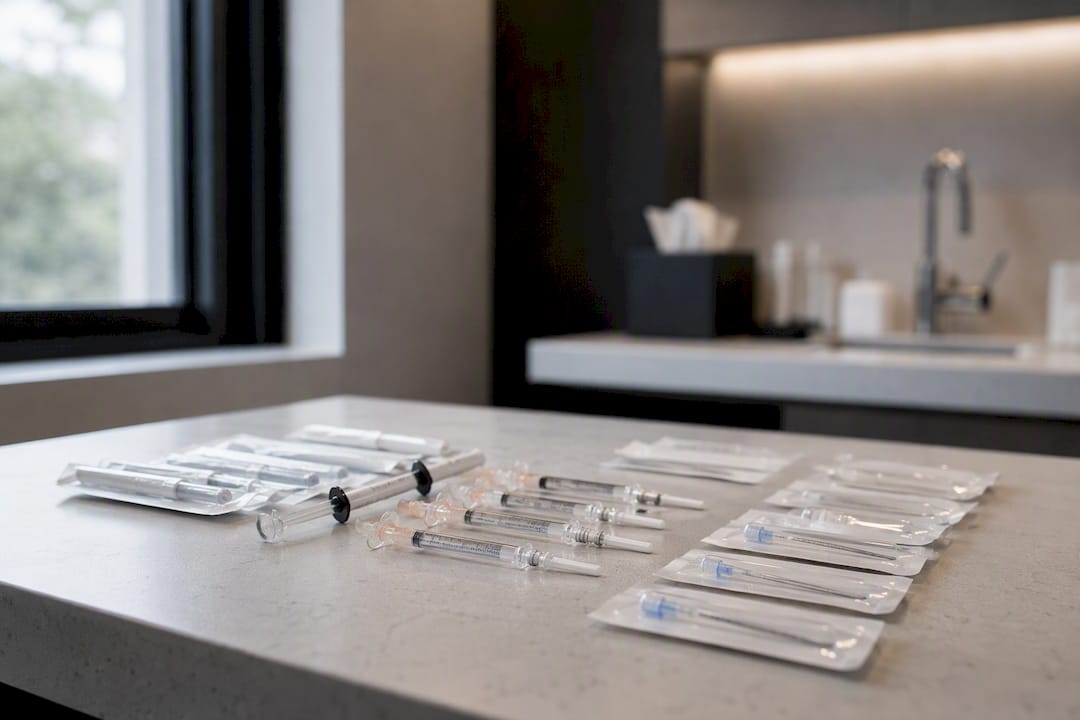
The FDA’s approvals list confirms multiple hyaluronic acid fillers are cleared specifically for lip augmentation and perioral use in adults, which is worth checking if a provider quotes an unfamiliar product. Newer formulations built on cross-linking technologies like Vycross or RHA’s resilient hyaluronic acid tend to carry a higher sticker price but can last longer, which sometimes lowers your actual cost per month of results compared to a cheaper filler that fades in four months.
Be cautious with quotes that don’t name a specific brand at all. A vague “lip filler package” at an unusually low price can signal diluted product, an unlicensed injector, or a filler not approved for lip use in the United States.
Why Lip Filler Prices Swing So Much by Region
Where you live shapes your price almost as much as which product you choose. Major coastal metros like New York City, Los Angeles, and San Francisco typically see per-syringe pricing at the higher end of the range, often above average, driven by commercial rent, higher malpractice insurance, and stronger demand for injectables.
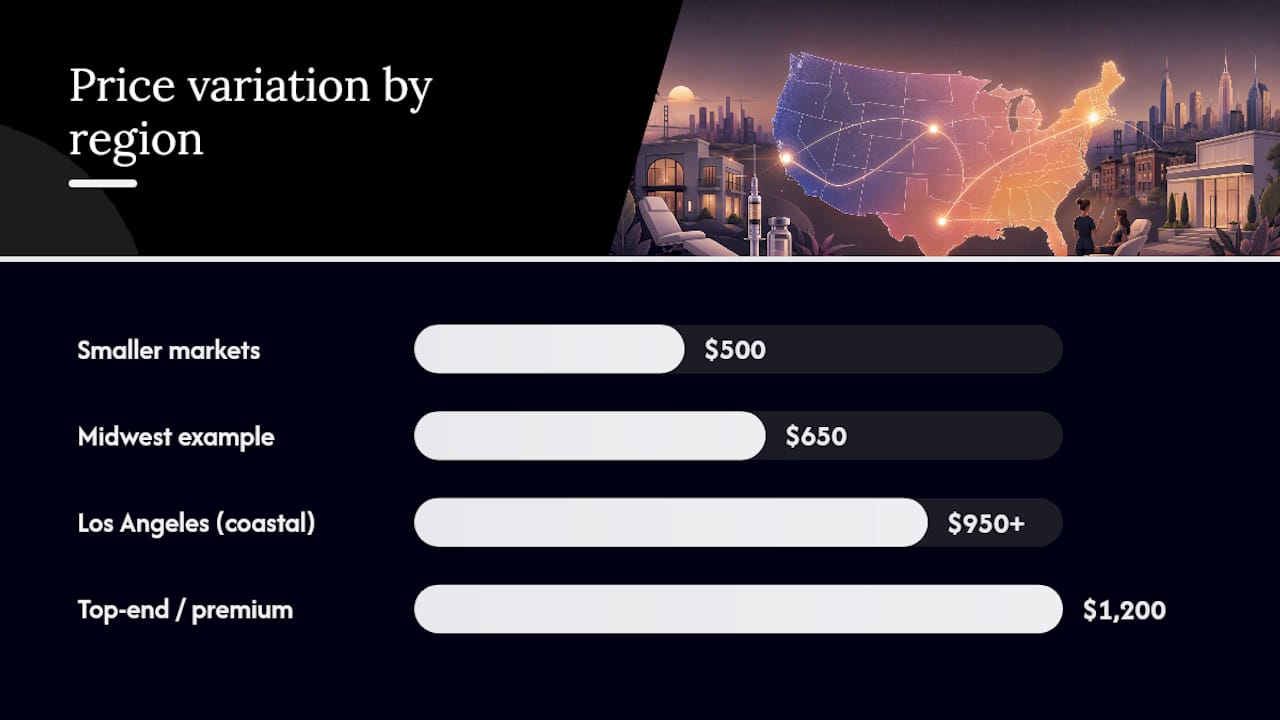
Mid-size cities tend to land in the middle range. Smaller markets and rural areas often price lower, though fewer board-certified specialists may be available locally.
A few forces explain the spread:
- Real estate and overhead: A Manhattan or Beverly Hills office lease costs dramatically more than a suburban strip-mall suite, and that overhead shows up in the invoice.
- Malpractice and liability insurance: Premiums vary by state and by provider type, with physician-run practices often carrying higher coverage costs than med spas.
- Local demand and competition: Markets with a high concentration of aesthetic-focused patients can sustain premium pricing even for comparable technique.
- Cost of living for staff: Nurse injectors and estheticians in high-cost cities command higher wages, which factors into the fee.
A patient getting one syringe of Restylane Kysse in the Midwest might pay around $650, while the same product and volume in Los Angeles could run $950 or more. The gel is identical. The zip code isn’t.
If you’re in the Northeast, checking regional pricing at a New York practice can give you a realistic local benchmark rather than relying on national averages that skew lower.
What Actually Justifies a Higher Price Tag
Not every price difference reflects meaningful quality. Some do, and knowing which is which protects both your face and your wallet.
Board certification is the clearest signal worth paying for. A physician certified by the American Board of Dermatology or a nurse injector working under close physician supervision has completed structured training in facial anatomy, something a weekend-certificate injector has not. Injection volume matters almost as much as the credential itself. A provider who performs lip injections weekly develops pattern recognition for vascular anatomy that someone doing it occasionally simply hasn’t built yet.
Technique differences also drive cost. Cannula-based injection, which uses a blunt-tipped tool instead of a sharp needle, tends to reduce bruising and vascular risk but takes longer and requires more skill, and providers who use it well often charge accordingly. Product storage matters too: hyaluronic acid fillers must be kept at controlled room temperature, and a provider who invests in proper storage and single-use, verified-batch product is paying for something a discount clinic may be cutting.
- Verify the provider is board-certified in dermatology, plastic surgery, or a closely related specialty.
- Ask how many lip filler treatments they perform monthly, not just annually.
- Confirm whether they use cannula or needle technique and why for your anatomy.
- Check that the practice operates in a licensed medical setting, not a converted retail space.
Pro Tip: Before you book, ask directly whether the practice keeps hyaluronidase on-site and whether staff are trained to administer it immediately. This enzyme dissolves hyaluronic acid filler within minutes if it’s accidentally injected into a blood vessel, and its absence is one of the biggest safety red flags in the industry.
How Many Syringes You’ll Actually Need
Anatomy decides syringe count more than personal preference does. Someone with naturally thin lips and minimal existing volume often needs more product to reach a visible result than someone starting with fuller lips who just wants subtle enhancement.
- First-time patients wanting natural hydration usually do well with 0.5 mL to start. This lets you and your injector see how your tissue responds before committing to more.
- Patients wanting moderate, noticeable volume typically need a full 1 mL syringe, sometimes split across two sessions two to four weeks apart to allow swelling to settle and results to be assessed accurately.
- Patients pursuing significant fullness often require 1.5 to 2 mL total, built up over multiple visits rather than injected all at once.
Clinical guidance on injectable filler technique generally favors a staged approach over overfilling in a single session, since it’s easier to add volume later than to correct an overdone result immediately.
Here’s what that means in dollars. A single 0.5 mL session runs roughly $350 to $650. A first full-syringe treatment lands between $600 and $1,200. Once you factor in a maintenance session every 8 to 12 months to preserve results, annual cost for most patients settles between $900 and $2,000, depending on brand and location.
The Fine Print: Fees You Might Not See Upfront
The quoted syringe price isn’t always the full story. A handful of add-ons show up often enough that you should ask about them before you book.
- Standalone consultations, when not credited toward treatment, typically cost $50 to $150.
- Follow-up or touch-up visits within two to four weeks are sometimes included free, sometimes billed at $100 to $300.
- Dissolving unwanted filler with hyaluronidase generally costs $150 to $400 per session, separate from the original treatment.
- Financing through programs like CareCredit or in-house payment plans is common for patients spreading out the cost of a full treatment plan.
Cosmetic lip filler is not medically necessary, so health insurance won’t cover it under any circumstance. Watch for red flags in any quote: a price with no product named, no stated follow-up policy, or a number that seems too low compared to regional averages. Those gaps usually mean corners are being cut somewhere you can’t see from the price tag alone.
Safety Checklist: What to Verify Before You Book
Price and safety aren’t the same conversation, but they’re connected. A clinic cutting costs on training, product sourcing, or emergency preparedness will almost always show it in the fee, one way or another.
Before booking, confirm these basics:
- The injector is board-certified or works under direct physician supervision in a licensed medical facility.
- The practice can name the exact filler brand and lot number they plan to use.
- Hyaluronidase is stocked on-site and staff are trained to administer it immediately if needed.
- There’s a documented protocol for vascular occlusion, the rare but serious complication where filler blocks blood flow.
- The clinic offers a genuine follow-up visit rather than a one-and-done transaction.
The ASPS reports that HA dermal fillers average $715 per syringe nationally, with lip augmentation specifically averaging $743. (American Society of Plastic Surgeons)
Rao Dermatology, founded by Dr. Babar K. Rao, has provided dermatological care across California, New Jersey, and New York for more than 25 years, spanning both medical dermatology and cosmetic services. Because lip enhancement involves unique vascular anatomy, specialty guidance consistently points to injector training and emergency readiness as the factors that matter most, more than brand name or price point alone. For readers who want a deeper primer on how different fillers work before comparing quotes, this clinician guide to filler types and safety breaks down the distinctions in plain language.
Comparing Quotes: What to Ask Before You Commit
A price by itself tells you almost nothing. Two clinics quoting $700 for “one syringe of filler” can mean completely different experiences, products, and risk levels.
Before you compare numbers side by side, get each clinic to specify:
- The exact product name and brand, not just “hyaluronic acid filler.”
- The syringe volume included (0.5 mL vs. 1 mL) and whether that’s the full quoted price or a starting point.
- Who performs the injection, their credentials, and how often they do this specific procedure.
- What happens in an emergency, and whether hyaluronidase is kept on-site.
- Whether a follow-up visit is included and within what timeframe.
- What dissolving filler would cost if you’re unhappy with the result.
- Whether financing options like CareCredit are available for the full treatment.
Treat any quote that dodges these questions, or that seems dramatically below the regional average, as a reason to keep looking rather than a reason to book.
Rao Dermatology’s Take on Pricing and Patient Safety
The lowest quote in your area is rarely the best value once you factor in revision costs, dissolving fees, or a result that doesn’t match your anatomy. Rao Dermatology favors transparent, itemized pricing and a conservative, anatomy-first approach: start with less product, reassess, and add volume only if it genuinely improves the outcome. Prioritize credentials and a real follow-up plan over the cheapest number on a price sheet.
— Rao Dermatology
Ready to Talk Lip Enhancement Pricing With a Specialist?
Rao Dermatology offers cosmetic dermatology consultations across its California, New Jersey, and New York locations, giving you a direct path to a personalized lip enhancement plan instead of guessing at averages online. Every consultation includes a review of your anatomy, a discussion of which filler makes sense for your goals, and a clear, itemized breakdown of cost before you commit to treatment.

Rather than a one-size-fits-all package price, you get a plan built around your actual lips and a provider who explains exactly what’s included, from the syringe volume to the follow-up visit. If you’re ready to move from research to a real conversation, book a lip enhancement consultation and get a personalized quote grounded in your anatomy, not a national average.
Sources
- FDA — Approved dermal fillers (approval summary)
- American Society of Plastic Surgeons — Dermal fillers cost
- The Aesthetic Society — Lip enhancement associated costs and safety considerations
This article is general information, not a substitute for advice from a qualified doctor. Consult a qualified healthcare professional about your own circumstances before acting on anything here.
FAQ
How much does a 0.5 mL syringe of lip filler cost?
A half-syringe typically costs $300 to $650, depending on brand, provider credentials, and your region.
What state has the cheapest lip fillers?
Smaller markets in the Midwest and South generally offer lower prices than coastal metros like New York or Los Angeles, often around $650 per syringe versus $950 or more in major cities.
Is 0.5 mL of lip filler worth it?
For first-time patients or those wanting subtle hydration, 0.5 mL is often a smart, conservative starting point that lets you and your injector assess results before adding more.
How much is 1 mL of lip filler?
A full 1 mL syringe typically costs $600 to $1,200, with national averages around $743 for lip augmentation according to the American Society of Plastic Surgeons.
Recommended
Filed under: