
Learn how to select sunscreen with expert tips, ensuring broad-spectrum protection tailored to your skin type and daily activities.
How to Select Sunscreen: A Dermatologist’s Guide
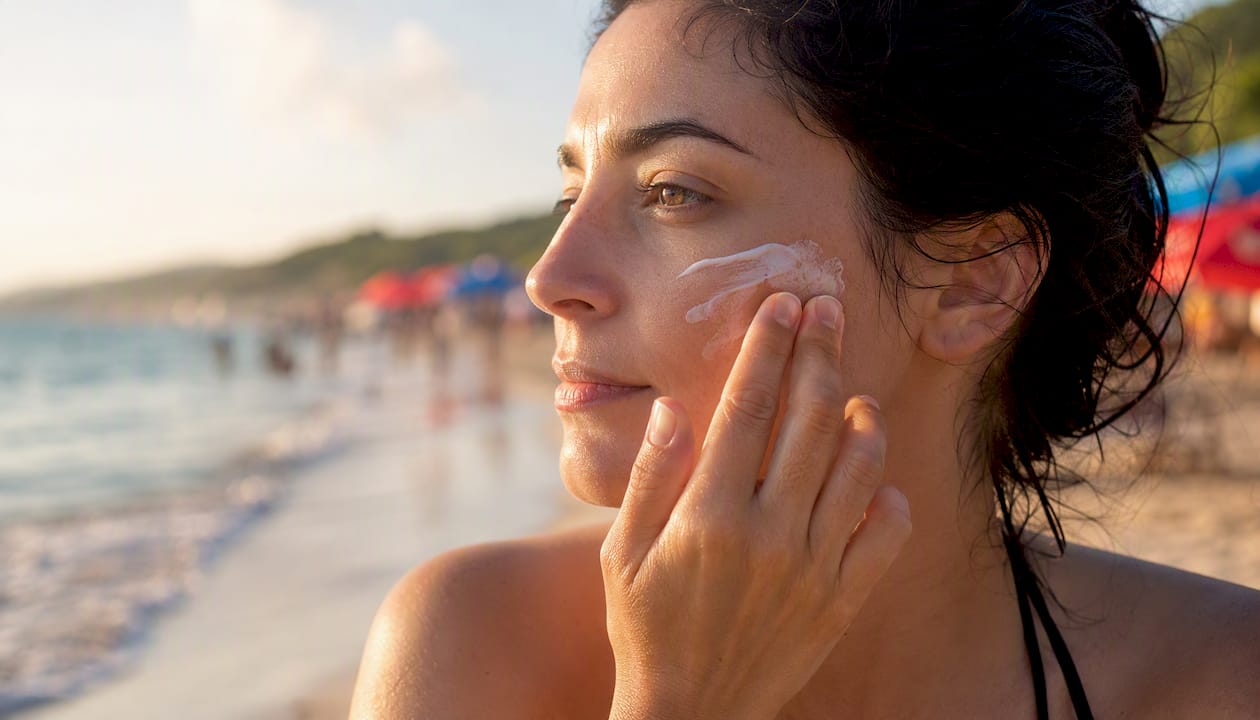
Choose a broad-spectrum, water-resistant sunscreen with an SPF rating that is effective for daily protection that matches your skin type and the activity you have planned. That single sentence covers most of what you need. Everything else is about matching the formula to your face, your lifestyle, and the habits you will actually keep.
Before you buy, run through this checklist on the label:
- “Broad spectrum” printed on the label (UVA + UVB protection)
- An SPF rating that is effective for daily protection
- “Water resistant” with a time rating of 40 or 80 minutes if you swim or sweat
- Active ingredients listed (zinc oxide, titanium dioxide, avobenzone, or others)
- An expiration or lot number (sunscreen degrades over time)
Pro Tip: Pair sunscreen application with something you already do every morning, like brushing your teeth or applying moisturizer. Habit stacking is the single most reliable way to make SPF a non-negotiable part of your day.
Key Takeaways
Choosing the right sunscreen comes down to three non-negotiable label criteria, the right formula for your skin, and the habit of reapplying every two hours.
| Point | Details |
|---|---|
| SPF 30+ broad spectrum | Choose SPF 30 minimum; “broad spectrum” is required for both UVA and UVB coverage. |
| Match formula to skin and activity | Mineral for sensitive skin; water-resistant SPF 50 for swimming and sports. |
| Apply the right amount | Use 1 ounce for full body, 1 teaspoon for face; reapply every 2 hours or after water exposure. |
| Tinted mineral for pigmentation | Iron oxide in tinted formulas blocks visible light, reducing melasma and hyperpigmentation risk. |
| Rao Dermatology consult | Book a skin check for personalized sunscreen guidance and professional UV damage screening. |
Table of Contents
- How to select sunscreen: what SPF and broad spectrum actually mean
- What do sunscreen labels actually tell you?
- Mineral vs. chemical sunscreen: which one is right for you?
- Which sunscreen format should you choose?
- How much sunscreen to apply, and when to reapply
- Matching your sunscreen to your skin type and activity
- Special situations: children, pregnancy, and skin conditions
- Common sunscreen myths worth correcting
- Dermatologist tips from Rao Dermatology
- The sunscreen you will actually use is the right one
- Personalized sunscreen guidance at Rao Dermatology
- Sources
- FAQ
How to select sunscreen: what SPF and broad spectrum actually mean
SPF measures protection against UVB rays, the ones that cause sunburn and contribute to skin cancer. The number tells you roughly how much UVB reaches your skin compared to unprotected exposure.
The gap between SPF 30 and SPF 50 is about one percentage point of additional UVB blocked. Harvard Health notes that correct, consistent application matters far more than chasing a marginally higher SPF number. Reapplication every two hours is required regardless of the SPF on the bottle.
UVA rays are a separate problem. They penetrate deeper into the skin, drive photoaging, and contribute to melanoma risk. SPF does not measure UVA protection at all. “Broad spectrum” on the label means the product has passed FDA testing for both UVA and UVB coverage. That label claim is not optional if you want complete sun protection.
The AAD recommends SPF 30+ for everyday use because it blocks ~97% of UVB rays while remaining practical for daily wear. Higher SPF products offer marginally more protection but require the same diligent reapplication.
What do sunscreen labels actually tell you?
Sunscreen is regulated as an over-the-counter drug by the FDA, which means the label is a legal document, not just marketing copy. Knowing what to look for takes about 30 seconds once you know the system.
A label that gives you adequate protection will include all of the following:
- “Broad spectrum” — the only claim that confirms UVA + UVB coverage
- An SPF rating that is effective for daily protection — the minimum the AAD recommends for daily use
- “Water resistant (40 minutes)” or “Water resistant (80 minutes)” — required wording if the product claims any water or sweat resistance; the FDA defines both designations and requires testing to support them
- Active ingredients section — lists what is actually doing the UV-filtering work
- Directions for use — including reapplication timing
- Expiration date or lot number — sunscreen chemistry degrades; an expired product may not perform at its labeled SPF
Regulatory update worth knowing: A June 2026 FDA final order (OTC000039) added bemotrizinol as a permitted sunscreen active ingredient at concentrations up to 6%, expanding the list of approved actives for the first time in years. If you see bemotrizinol on a new product’s label, it is now a fully authorized ingredient in the US.
Marketing terms like “all-day protection,” “invisible,” or “reef safe” carry no FDA-regulated meaning on their own. Read the active ingredients and the regulated claims, not the front-panel copy.
Mineral vs. chemical sunscreen: which one is right for you?
Both work. The choice comes down to your skin’s tolerance, how the formula feels on your skin, and how quickly you need protection to kick in.
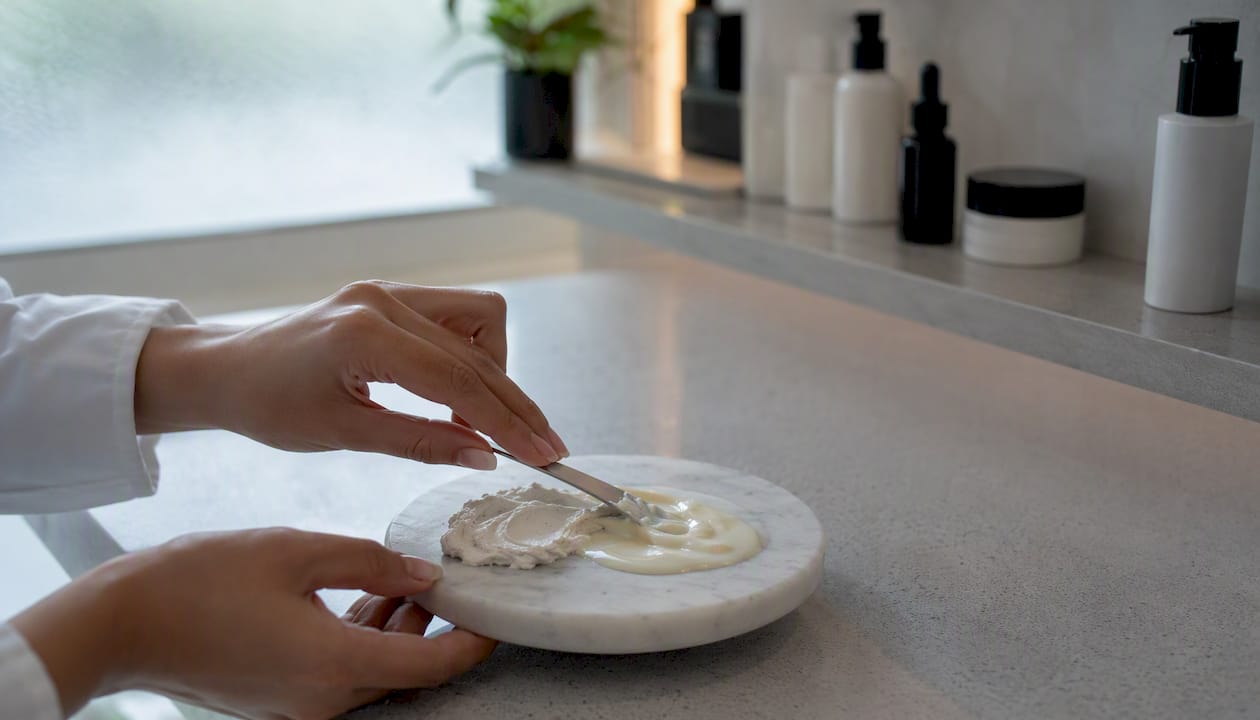
Mineral sunscreens use zinc oxide, titanium dioxide, or both. They sit on top of the skin and deflect UV rays rather than absorbing them. Protection starts immediately after application, which is useful if you are heading outside without a 15-minute wait. Zinc oxide in particular has a long track record of tolerability, making it the go-to for sensitive, rosacea-prone, or post-procedure skin. The tradeoff is a white cast, especially on medium to deeper skin tones, though newer micronized and tinted formulas have narrowed that gap considerably.
Chemical sunscreens use organic compounds like avobenzone, octinoxate, oxybenzone, or octocrylene. They absorb UV energy and convert it to heat. The formulas tend to be lighter, easier to blend, and invisible on all skin tones. They require about 15 minutes to become fully effective after application, and some people with reactive skin find certain chemical actives irritating.
For anyone with sensitive skin, rosacea, or skin that is healing from a procedure, zinc oxide-based mineral sunscreen is often the first recommendation from dermatologists. It is less likely to cause stinging or flushing, and its physical barrier mechanism does not rely on skin absorption.
Pro Tip: If you dislike the white cast from mineral sunscreen, try a tinted mineral formula. The iron oxide pigments that create the tint also reduce the chalky appearance and add visible-light protection as a bonus.
Which sunscreen format should you choose?
The format you will actually apply generously and reapply consistently is the right one. That said, each delivery format has a practical sweet spot.
- Lotions and creams: Best for full-body coverage. Easy to apply evenly, and you can feel when you have used enough. Creams tend to be richer and suit dry skin; lotions work for most skin types.
- Sticks: Precise application around the eyes, ears, and lips. Useful for kids who squirm. Less ideal for large body areas because coverage can be uneven if you rush.
- Sprays: Fast and convenient for reapplication over large areas. The safety caveat is real: never spray directly on the face (spray into your hands first), avoid inhaling the mist, do not use near open flame, and be cautious in windy conditions where coverage becomes unpredictable. The FDA advises against using sprays on children without adult supervision and recommends rubbing them in after spraying to confirm coverage.
- Tinted formulas: Contain iron oxide, which adds protection against visible light. Research shows visible light contributes to hyperpigmentation, making tinted sunscreens a meaningful upgrade for anyone managing melasma or post-inflammatory darkening.
- Powder SPF: Convenient for midday reapplication over makeup, but not a substitute for a full morning application. Use as a top-up, not a foundation.
For water sports, a water-resistant lotion or stick rated for 80 minutes is the practical choice. Surfers and swimmers should reapply immediately after toweling off, not just every two hours.
How much sunscreen to apply, and when to reapply
The labeled SPF is tested at a specific application amount. Use less than that, and you get less protection than the label promises.
- Full body: Apply about 1 ounce, roughly the volume of a shot glass, to cover an adult’s entire body.
- Face alone: Use about 1 teaspoon, or a nickel-sized amount for the face and neck combined.
- Timing: Apply chemical sunscreens 15 minutes before going outside. Mineral sunscreens work immediately.
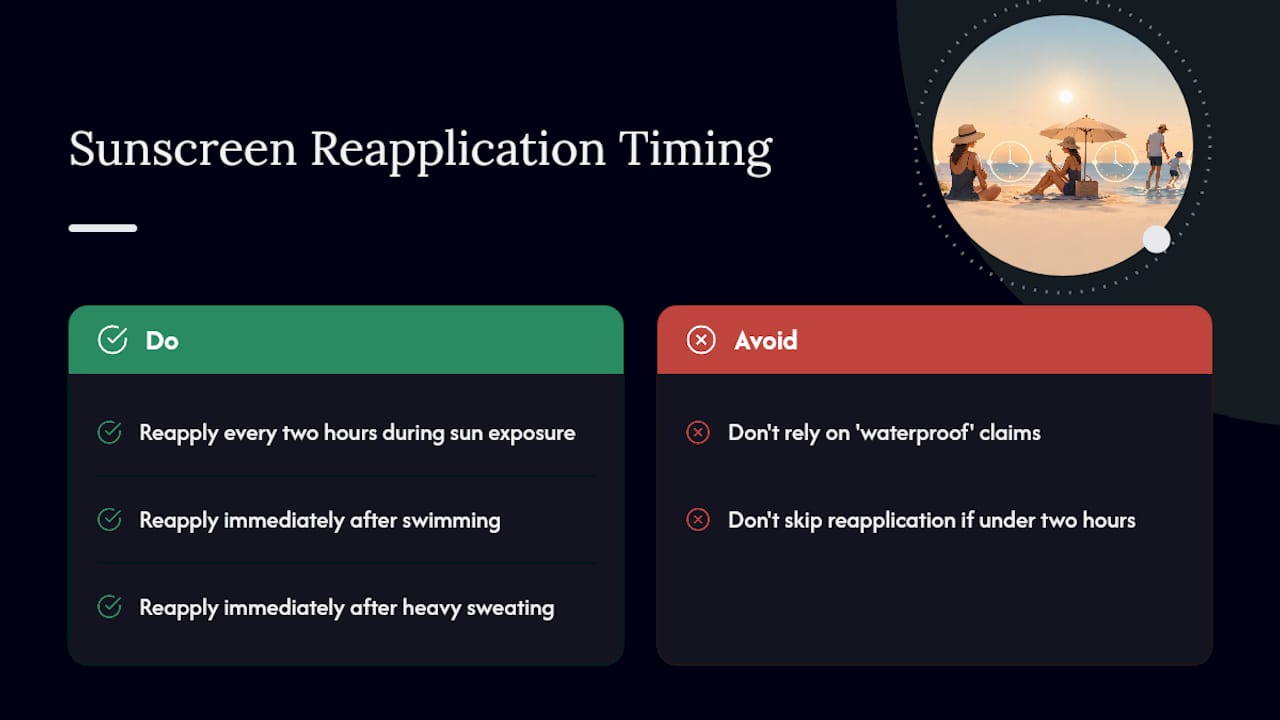
- Reapply every 2 hours of sun exposure, without exception.
- After swimming or heavy sweating: Reapply immediately, even if less than 2 hours have passed. “Water resistant” does not mean waterproof.
- Over makeup: Use a powder SPF or a spray sunscreen (applied to hands first, then patted on) for midday touch-ups. The EPA UV Index is a free daily tool to gauge when UV levels are high enough to warrant extra diligence.
Do apply to: ears, back of the neck, tops of feet, lips (SPF lip balm), and the hairline or scalp if exposed. These are the spots most people miss and where dermatologists frequently find sun damage.
Matching your sunscreen to your skin type and activity
Narrow your search to one or two product types before you walk into a store. A tinted mineral SPF 30+ lotion covers daily face use for most people, including those managing pigmentation. A water-resistant SPF 50 lotion handles swimming and outdoor sports.
Shopping checklist:
- Broad spectrum confirmed on label
- SPF 30 minimum (SPF 50 for prolonged outdoor or water exposure)
- Water resistant (80 min) for swimming or heavy sweating
- Non-comedogenic if you are acne-prone
- Fragrance-free if your skin is sensitive or reactive
- Tinted with iron oxide if you manage melasma or hyperpigmentation
| Use Case | Recommended Formula | Label Priorities |
|---|---|---|
| Daily face | Tinted mineral SPF 30+ lotion or fluid | Broad spectrum, non-comedogenic, iron oxide |
| Outdoor sports | Water-resistant SPF 50 lotion or stick | Broad spectrum, 80-min water resistance |
| Swimming | Water-resistant SPF 50 lotion | Broad spectrum, 80-min water resistance |
| Children (6+ months) | Mineral SPF 30+ lotion | Zinc oxide or titanium dioxide, fragrance-free |
| Pigment-prone skin | Tinted mineral SPF 30–50 | Iron oxide, broad spectrum, non-comedogenic |
Special situations: children, pregnancy, and skin conditions
Babies under 6 months should not use sunscreen. Shade, protective clothing, and avoiding peak sun hours (10 AM to 4 PM) are the recommended strategies for this age group. For children 6 months and older, mineral SPF 30+ with zinc oxide or titanium dioxide is the standard recommendation, fragrance-free where possible.
Pregnancy: The same SPF 30+ broad-spectrum rules apply. If you have concerns about specific chemical actives during pregnancy, mineral formulas with zinc oxide are a straightforward alternative. Discuss any specific ingredient concerns with your OB or dermatologist.
Photosensitizing medications can dramatically increase UV sensitivity. Common examples include:
- Certain antibiotics (doxycycline, tetracycline)
- Retinoids (tretinoin, isotretinoin)
- Some diuretics and blood pressure medications
- NSAIDs like naproxen
- Certain antifungals
If you take any of these, ask your prescribing provider whether you need extra precautions beyond standard SPF use.
Acne-prone skin: Look for oil-free, non-comedogenic labels. Lightweight gel or fluid formulas tend to work better than heavy creams.
Rosacea: Mineral sunscreens with zinc oxide are generally better tolerated. Avoid fragrances, alcohol, and chemical actives that can trigger flushing.
Melasma and hyperpigmentation: Tinted mineral sunscreen with iron oxide is worth the upgrade. Visible light alone can worsen melasma, and standard clear sunscreens do not block it.
Common sunscreen myths worth correcting
No sunscreen is waterproof. The FDA banned the word “waterproof” from sunscreen labels because no product maintains full protection indefinitely in water. “Water resistant” with a time rating is the accurate, regulated term.
Reapplying SPF 30 correctly beats applying SPF 100 once and forgetting it.
A few other myths worth addressing:
- “Reef safe” is not an FDA-regulated claim. It has no standardized definition on US labels. Check NOAA’s guidance on sunscreen and coral reefs if environmental impact matters to you.
- Combining sunscreen with insect repellent reduces SPF effectiveness. Use them as separate products when possible, applying sunscreen first.
- PABA (para-aminobenzoic acid) was once common in sunscreens but caused allergic reactions in many people. It has largely disappeared from US formulas, but checking the active ingredients list is still good practice if you have had reactions to older products.
- Fragrance and alcohol in sunscreens can irritate sensitive skin. Fragrance-free formulas are not just a marketing preference for reactive skin types.
Dermatologist tips from Rao Dermatology
Pick one daily SPF for your face and a second water-resistant SPF for outdoor or active days. Two products, clearly defined roles, no decision fatigue.
Pro Tip: Apply your facial sunscreen as the last step of your morning skincare routine, right before makeup. Integrating it into an existing sequence removes the mental friction that causes people to skip it.
Clinic-level guidance from Rao Dermatology:
- Test a new sunscreen on a small area of your inner arm for a few days before applying it to your face, especially if your skin is reactive.
- Tinted mineral SPF is worth trying if you manage pigmentation or melasma. The iron oxide in the tint adds visible-light protection that clear sunscreens cannot provide.
- Fragrance-free formulas are the default recommendation for sensitive skin, rosacea, and anyone who has recently had a laser or chemical peel.
- Check the SPF role in your skincare routine if you are unsure how sunscreen fits with your existing moisturizer or serum.
When to schedule a skin check: If you notice a new or changing mole, a spot that bleeds or does not heal, or if you have a history of significant sun exposure, a professional skin evaluation is the right next step, not just a better sunscreen.
The sunscreen you will actually use is the right one
The most common sunscreen mistake is not choosing the wrong SPF. It is choosing a formula that feels heavy, smells wrong, or leaves a white cast, and then quietly stopping using it by February.
Consistency over perfection is the real standard. Dermatologists consistently emphasize that daily use of SPF 30 outperforms sporadic use of SPF 100. Comfort, texture, and scent drive long-term adherence more than any number on the label. Find a formula you genuinely like applying, pair it with your morning moisturizer or makeup, and reapply when the two-hour mark hits. That habit, repeated daily, is what actually reduces your cumulative UV damage over years.
Personalized sunscreen guidance at Rao Dermatology
Choosing the right sunscreen gets more specific when you factor in your skin tone, existing conditions, medications, or a history of sun damage. Rao Dermatology’s board-certified dermatologists across California, New Jersey, and New York provide personalized sunscreen counseling as part of a broader skin cancer prevention and skin health evaluation.

If you have a spot that concerns you, a history of significant sun exposure, or you simply want a recommendation tailored to your skin type and routine, a skin check is the most direct path to an answer. Book an appointment with Rao Dermatology to get a professional evaluation and a sunscreen plan that fits your actual skin.
Sources
- Federal Register: Amending Over‑the‑Counter Monograph M020 (OTC000039) — bemotrizinol
- How to choose and use sunscreen - Harvard Health
- Research literature on visible light and pigment/melasma (PMC article)
FAQ
How do I choose the right sunscreen?
Pick a broad-spectrum, water-resistant sunscreen with An SPF rating that is effective for daily protection that suits your skin type. The AAD recommends pairing it with shade and protective clothing for complete sun protection.
What is the difference between mineral and chemical sunscreen?
Mineral sunscreens use zinc oxide or titanium dioxide and work immediately after application; chemical sunscreens use organic compounds like avobenzone and need about 15 minutes to activate. Mineral formulas are generally better tolerated by sensitive or rosacea-prone skin.
Does a higher SPF mean significantly better protection?
Not by much. Harvard Health emphasizes that consistent reapplication every two hours matters more than a higher SPF number.
How often should you reapply sunscreen?
Reapply every two hours during sun exposure, and immediately after swimming or heavy sweating, even if less than two hours have passed. No sunscreen is waterproof, regardless of what the front label says.
What sunscreen is best for sensitive or acne-prone skin?
For sensitive skin, a fragrance-free mineral SPF 30+ with zinc oxide is the standard dermatologist recommendation. Acne-prone skin does best with oil-free, non-comedogenic formulas, typically lightweight gels or fluids rather than heavy creams.
Recommended
Filed under: