
Discover your ultimate eczema care checklist for daily relief. Follow proven routines to manage symptoms and maintain healthy skin.
Your daily eczema care checklist at a glance
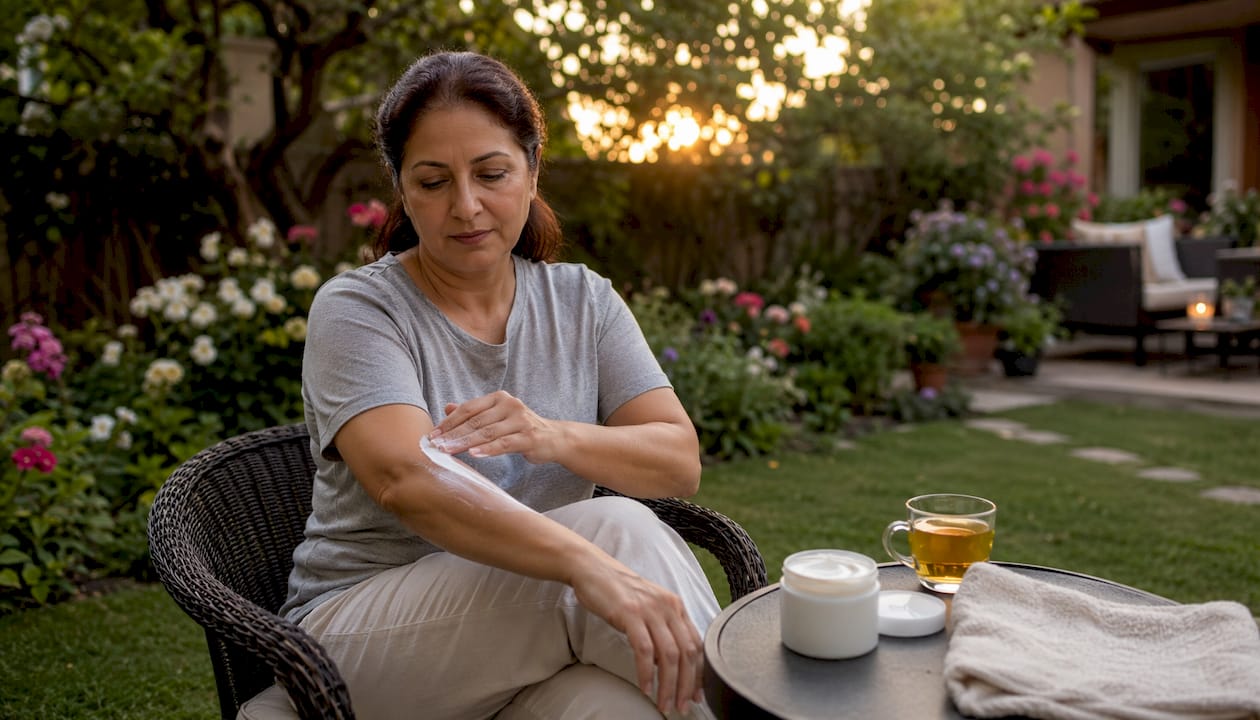
A practical eczema care checklist gives you a repeatable framework for managing symptoms, protecting the skin barrier, and cutting down on flare frequency. The core of any solid management process comes down to a handful of non-negotiable daily habits, plus a clear plan for when things escalate.
Here is what every effective daily routine covers:
- Moisturize within three minutes of bathing using a thick emollient or ointment while skin is still damp
- Bathe in lukewarm water for 10–15 minutes using a fragrance-free, non-soap cleanser
- Pat skin dry gently with a soft towel; never rub
- Apply topical corticosteroid ointments to active flares before your emollient, following your dermatologist’s prescribed potency and dosing
- Use the fingertip unit (FTU) method to measure emollient accurately: one FTU covers roughly two adult palm areas
- Avoid known triggers including fragrances, harsh detergents, rough fabrics, and extreme temperatures
- Control indoor humidity with a humidifier, especially in winter months
- Wear soft, breathable fabrics like cotton next to the skin
- Track flare patterns in a simple log to identify personal triggers
- Consider wet wrap therapy for severe or resistant flares, under clinical guidance
- See a dermatologist if symptoms worsen, become infected, or fail to respond to standard care
Adults managing widespread eczema may need up to 500 grams of emollient weekly for adequate barrier repair. Young children typically need around 200 grams per week. Those numbers sound like a lot until you realize most people are applying a fraction of what their skin actually needs.
Table of Contents
- 1. How to bathe and moisturize for real eczema symptom relief
- 2. Medications and topical treatments you should know about
- 3. How to identify your eczema triggers and use patch testing
- 4. Environmental and lifestyle changes that reduce flare frequency
- 5. What Raodermatology’s dermatologists recommend for eczema care
- 6. Diet and supplements in eczema management
- Raodermatology offers personalized eczema care across three states
- Key Takeaways
- FAQ
1. How to bathe and moisturize for real eczema symptom relief
The “Soak and Seal” method is the gold standard for eczema hydration. The idea is straightforward: a lukewarm 10–15 minute bath softens the skin and allows moisture to penetrate, and then you seal that moisture in immediately with a thick emollient before evaporation kicks in. Applying moisturizer within three minutes of bathing is the window that matters.
Hot water strips the skin barrier fast. Vigorous towel drying does the same. Pat gently, leave the skin slightly damp, and apply your emollient while it still feels that way.
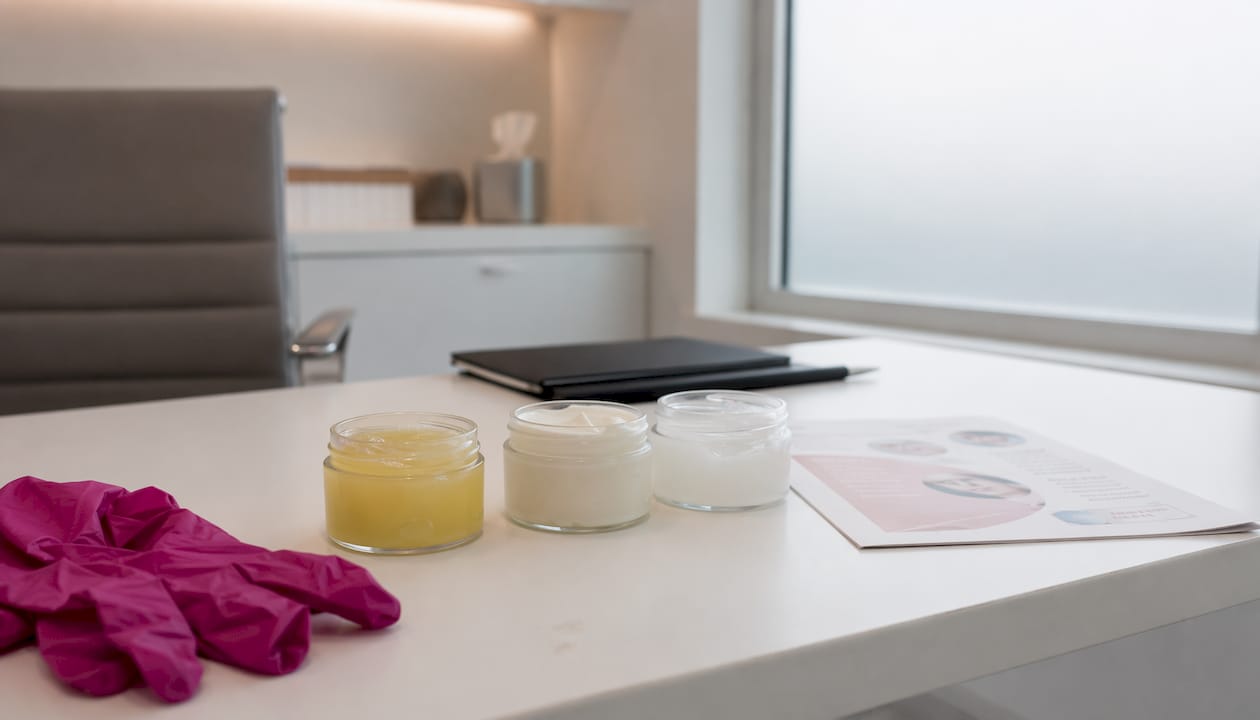
Choosing the right moisturizer type makes a real difference. Ointments like petroleum jelly or thick barrier creams outperform lotions for barrier repair because they contain less water and more occlusive agents. Lotions feel lighter but evaporate faster, which can actually pull moisture out of already-compromised skin. Creams sit in the middle. For most people with moderate-to-severe eczema, an ointment is the workhorse product.
| Moisturizer Type | Water Content | Best For | Application Tip |
|---|---|---|---|
| Ointment | Very low | Severe dryness, barrier repair | Apply with clean spoon from tub |
| Cream | Moderate | Daily maintenance | Use fragrance-free formulas |
| Lotion | High | Mild dryness, warm climates | Not ideal for active flares |
Pro Tip: Use a clean spoon to scoop ointment from the tub instead of dipping your fingers. Finger-dipping introduces bacteria into the product, which raises infection risk on already-broken skin.
For severe or resistant flares, wet wrap therapy adds another layer of benefit. After applying emollient or a prescribed topical, you wrap the area in a damp layer of bandage or clothing, then cover it with a dry layer. The moisture drives deeper penetration and soothes inflamed skin. This is a clinical technique worth discussing with your dermatologist before trying at home.
Wearing cotton gloves overnight after applying a thick emollient to your hands locks in moisture and physically prevents scratching during sleep, which is when a lot of skin damage quietly accumulates.
2. Medications and topical treatments you should know about
Topical corticosteroid ointments are the first-line treatment for eczema flares, and when used correctly, they control inflammation effectively with minimal side effects in short treatment bursts. The key variables are potency, body location, and duration.
- Mild potency steroids (hydrocortisone 1%) are appropriate for the face, neck, and skin folds
- Moderate to high potency steroids are reserved for thicker skin areas like the trunk and limbs
- Apply to affected areas only, not as a preventive coating over healthy skin
- Use the FTU method for dosing accuracy: one FTU for each body region as your dermatologist advises
- Topical calcineurin inhibitors (tacrolimus, pimecrolimus) are non-steroidal alternatives for sensitive areas or when steroids are not appropriate
- Over-the-counter anti-itch creams containing colloidal oatmeal or ceramides can supplement prescription treatments
- Oral antihistamines may reduce nighttime itching, though they do not treat the underlying inflammation
- Phototherapy (narrowband UVB) is a clinically validated option for moderate-to-severe eczema that does not respond to topicals
- Systemic treatments including biologics like dupilumab are available for severe cases under specialist supervision
Never stop a prescribed corticosteroid course abruptly without guidance. Steroid phobia leads many patients to under-treat flares, which prolongs inflammation and increases the risk of skin thickening over time. Short, correctly dosed courses are safe. The dermatologist-recommended skincare routines at Raodermatology walk through how topicals fit into a broader daily plan.
3. How to identify your eczema triggers and use patch testing
Eczema triggers are personal. Two people with identical diagnoses can have completely different trigger profiles, which is why a generic avoidance list only gets you so far. Building your own trigger map is one of the highest-value steps in the whole eczema management process.
Common trigger categories include:
- Contact allergens: nickel, latex, preservatives in skin care products, fragrances
- Environmental irritants: smoke, dust mites, pet dander, mold
- Climatic factors: cold dry air, excessive heat, sweat
- Stress: psychological stress reliably worsens eczema severity in most people
- Certain fabrics: wool, synthetic fibers, rough textures
Patch testing is the diagnostic tool that takes the guesswork out of contact allergen identification. A dermatologist applies small amounts of standardized allergens to adhesive patches placed on your back, leaves them for 48 hours, then reads the results at 48 and 96 hours. A positive reaction pinpoints the specific substance driving your flares. That information directly shapes your avoidance strategy in a way that no elimination guesswork can match.
Keep a simple flare log: date, location on the body, what you ate, what you wore, your stress level, and any new products used. Patterns usually emerge within a few weeks. For a deeper look at what drives individual flares, Raodermatology’s guide on eczema triggers and allergens covers the clinical picture in detail.
4. Environmental and lifestyle changes that reduce flare frequency
The environment you live in shapes how often your skin flares, sometimes more than any product you apply. Maintaining indoor humidity around 30% and avoiding harsh detergents are two of the most consistently effective environmental controls.
Clothing choices matter more than most people expect. Wool and many synthetic fabrics physically irritate sensitized skin. Loose-fitting cotton or bamboo fabric worn directly against the body reduces friction and heat buildup. Wash new clothes before wearing them, and skip fabric softeners entirely since the fragrance chemicals are a common irritant.
Sun protection is year-round work for people with eczema. Sunburn triggers inflammation that can cascade into a full flare. Use a fragrance-free, mineral-based sunscreen (zinc oxide or titanium dioxide) rather than chemical UV filters, which are more likely to irritate reactive skin. In winter, the combination of cold outdoor air and dry indoor heating is particularly harsh. A humidifier in the bedroom helps offset that dryness overnight.
Stress management belongs on any eczema treatment guide. The skin-brain connection is real: psychological stress activates inflammatory pathways that worsen itch and redness. Techniques like progressive muscle relaxation, mindfulness-based stress reduction, and consistent sleep schedules all show measurable benefit in eczema severity. Even a 10-minute daily wind-down routine can shift the baseline.

Fragrance-free and hypoallergenic products reduce flare risk significantly. “Natural” or “botanical” labels are not safety signals. Essential oils, plant extracts, and herbal ingredients can be potent allergens on sensitized skin.
5. What Raodermatology’s dermatologists recommend for eczema care
Managing eczema well requires more than a product list. It requires a clinical framework that accounts for your skin type, trigger profile, and how your condition changes across seasons.
At Raodermatology, the clinical approach to eczema follows exactly that sequence: diagnosis confirmation, trigger mapping, and then a layered treatment plan that matches the severity of what the patient is actually experiencing. With 25+ years of experience across locations in California, New Jersey, and New York, the practice brings both the depth of a specialist and the continuity of a long-term care relationship.
Pro Tip: If your eczema is well-controlled most of the time but flares predictably in certain seasons, ask your dermatologist about a proactive “weekend therapy” protocol using a low-potency topical steroid on previously affected areas. This approach, sometimes called proactive maintenance therapy, can significantly reduce flare frequency without continuous daily steroid use.
For patients whose eczema has not responded to standard topicals, Raodermatology’s team evaluates candidacy for phototherapy and advanced systemic options including biologics. The goal is always the least aggressive treatment that achieves sustained control. Detailed guidance on managing dermatitis cases is available through the Raodermatology blog for readers who want to go deeper on clinical protocols.
6. Diet and supplements in eczema management
Diet’s role in eczema is real but often overstated. For most adults, food is not the primary driver of flares. That said, specific food allergies, particularly to eggs, milk, peanuts, wheat, and soy, are more commonly linked to eczema in children and can contribute in some adults.
An elimination diet should only be done under medical supervision. Removing food groups without guidance risks nutritional deficiency and rarely produces the clear answers people hope for. If food allergy is suspected, a structured elimination trial with an allergist or dietitian is the right path.
On the supplement side, the evidence is most consistent for vitamin D and omega-3 fatty acids. Low vitamin D levels correlate with increased eczema severity in several studies, and supplementation may help in deficient individuals. Omega-3s from fish oil have anti-inflammatory properties that may modestly reduce itch and redness. Probiotics, particularly Lactobacillus rhamnosus GG, have shown some benefit in reducing eczema severity in children, though the evidence in adults is less definitive.
A diet rich in anti-inflammatory foods, including fatty fish, leafy greens, and colorful vegetables, supports overall skin health without the risks of restrictive elimination. Staying well-hydrated also supports skin barrier function, though it does not replace topical moisturizing.
Raodermatology offers personalized eczema care across three states
Living with eczema means making dozens of small decisions every day, and getting those decisions right is easier with a specialist who knows your skin’s history.

Raodermatology provides medical dermatology care for eczema patients across California, New Jersey, and New York, with a clinical team that has spent 25+ years treating conditions ranging from mild atopic dermatitis to severe, treatment-resistant eczema. The practice goes beyond prescribing a cream: you get a full diagnostic workup, trigger identification, and a treatment plan that adjusts as your skin changes. Whether you need patch testing, phototherapy evaluation, or guidance on biologic therapy, the team has the tools and the experience to match. Visit Raodermatology’s services page to see the full range of eczema and skin care options, and book a consultation at the location nearest to you.
Key Takeaways
A consistent eczema care checklist built around moisturizing, trigger avoidance, and correctly dosed topical treatments gives most people meaningful control over their symptoms.
| Point | Details |
|---|---|
| Moisturize immediately after bathing | Apply emollient within three minutes of bathing while skin is still damp to lock in hydration. |
| Dose emollients accurately | Adults may need up to 500 grams of emollient weekly; use the FTU method to avoid under-application. |
| Use topical steroids correctly | Apply corticosteroid ointments to active flares only, matching potency to body location and duration to your dermatologist’s guidance. |
| Identify and avoid personal triggers | Patch testing and a flare log are the most reliable tools for mapping individual allergens and irritants. |
| Raodermatology for specialist care | Raodermatology offers full diagnostic and treatment services for eczema across California, New Jersey, and New York. |
FAQ
What should be on a daily eczema care checklist?
A daily checklist covers lukewarm bathing for 10–15 minutes, immediate moisturizing with a thick emollient, gentle cleansing with fragrance-free products, applying any prescribed topical treatments, and avoiding known triggers like harsh detergents and rough fabrics.
How much emollient should I apply for eczema?
Adults managing widespread eczema may need up to 500 grams of emollient per week. Use the fingertip unit method: one FTU covers roughly two adult palm areas, which equals about 2% of body surface area.
What is wet wrap therapy and when is it used?
Wet wrap therapy involves applying a topical treatment or emollient and then wrapping the area in a damp layer covered by a dry layer. It is used for severe or resistant eczema flares and should be done under dermatologist guidance.
How does patch testing help with eczema management?
Patch testing applies standardized allergens to the skin for 48 hours to identify specific contact allergens driving flares. The results allow you to build a precise avoidance strategy rather than guessing at triggers.
When should I see a dermatologist for eczema?
See a dermatologist if your eczema does not respond to over-the-counter treatments within two weeks, shows signs of infection (warmth, oozing, crusting), or significantly affects sleep and daily life. Raodermatology offers specialist evaluation across multiple locations in California, New Jersey, and New York.
Recommended
- What Is Eczema? Complete Guide to Causes, Symptoms & Effective Treatment Options | Rao Dermatology
- Effective Eczema Treatment and Management: Expert Tips from NYC Dermatologists | Rao Dermatology
- Eczema: Complete Guide to Symptoms, Types, Causes, and Treatment Options | Rao Dermatology
- Your Dermatitis Management Guide: Treat and Prevent Flares | Rao Dermatology
Filed under: