
Discover the 2026 price ranges for chemical peels across types and providers. Get key insights to help you choose the right treatment.
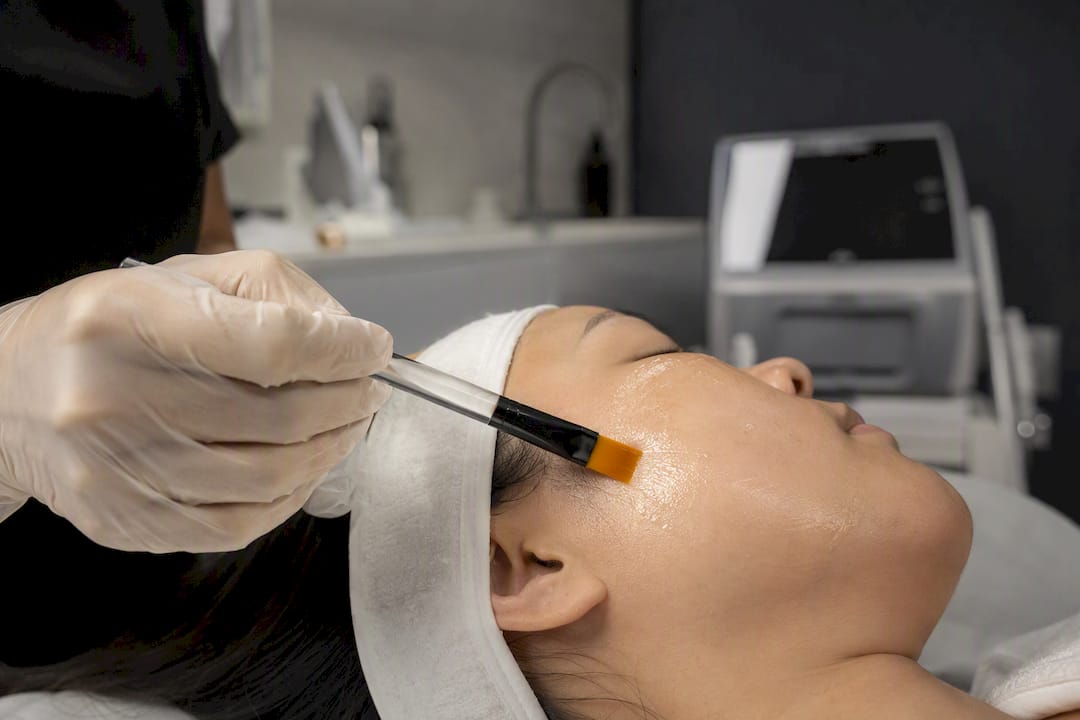
A light chemical peel typically runs within a low to mid-hundreds price range, a medium peel generally costs several hundred to around a thousand or more, and a deep peel is the most expensive category, often significantly higher. These are typical U.S. estimates across dermatology offices and med-spas in 2026, though actual quotes vary based on location, provider, and treatment area.
Insurance almost never touches these numbers. Chemical peels are classified as cosmetic procedures, and health plans treat them as elective, which means you’re paying out of pocket regardless of peel depth. If you’re weighing anything beyond a superficial peel, book a consult with a board-certified dermatologist first. Medium and deep peels involve real medical risk, and a fifteen-minute consultation often reveals cost factors a phone quote never mentions.
The American Society of Plastic Surgeons reports an average cost for skin resurfacing procedures such as chemical peels, which can serve as a general benchmark but may not reflect all fees involved.
Key Takeaways
Chemical peel costs in the United States range from $150 for a light peel to $3,000 or more for a deep phenol peel, and the biggest cost driver is provider credential and peel depth, not the clinic’s marketing.
| Point | Details |
|---|---|
| Match depth to budget | Superficial peels run $150–$400, medium $600–$1,500, deep $1,000–$3,000 or more. |
| Insurance rarely applies | Cosmetic peels are elective and typically not covered; medically necessary treatment is the exception. |
| Credentials shift price | Board-certified dermatologists often charge 20% to 40% more than med-spa estheticians for the same depth. |
| Watch for bundled extras | Post-care kits, follow-ups, and facility fees can add several hundred dollars to a quoted price. |
| Consult before committing | Rao Dermatology’s board-certified dermatologists provide consults that clarify true total cost before you book a medium or deep peel. |
Table of Contents
- What Are the Different Types of Chemical Peels?
- How Much Does a Chemical Peel Cost, Line by Line?
- What Drives the Price of a Chemical Peel Up or Down?
- Does Chemical Peel Pricing Vary by U.S. City?
- Will Insurance or FSA Funds Cover Any of the Cost?
- How Do You Compare Quotes and Pick the Right Provider?
- What Costs Do Patients Often Miss Before Booking?
- Our Take on Chemical Peel Pricing
- Ready to Get a Real Quote for Your Peel?
- Sources
- FAQ
What Are the Different Types of Chemical Peels?
Peel depth determines what a treatment can fix, how long you’ll spend hiding indoors afterward, and how much it costs. There are three tiers, and the price gap between them is not subtle.
Superficial (light) peels use mild acids like glycolic, lactic, or salicylic acid to exfoliate the outermost skin layer. They target dullness, mild texture issues, and minor discoloration. Downtime is minimal, usually a day or two of redness or flaking, which is why estheticians can legally perform these in most states. Expect a session cost generally within a low to mid-hundreds range, and most people require multiple treatments spaced weeks apart to see real change.
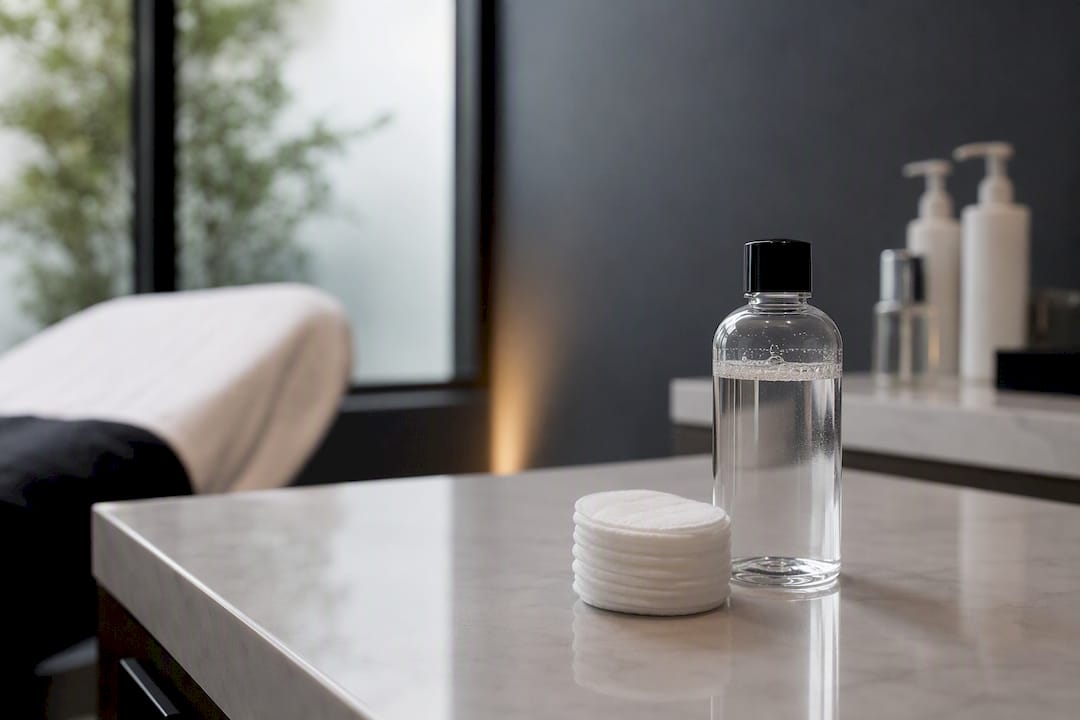
Medium peels go deeper, often combining trichloroacetic acid (TCA) with a Jessner’s solution to reach the upper dermis. These address sun damage, fine lines, and mild acne scarring. Recovery runs five to seven days, with visible peeling and swelling that most people schedule around a weekend or two. Pricing typically falls within several hundred to around one thousand or more dollars, reflecting the added skill and monitoring required.
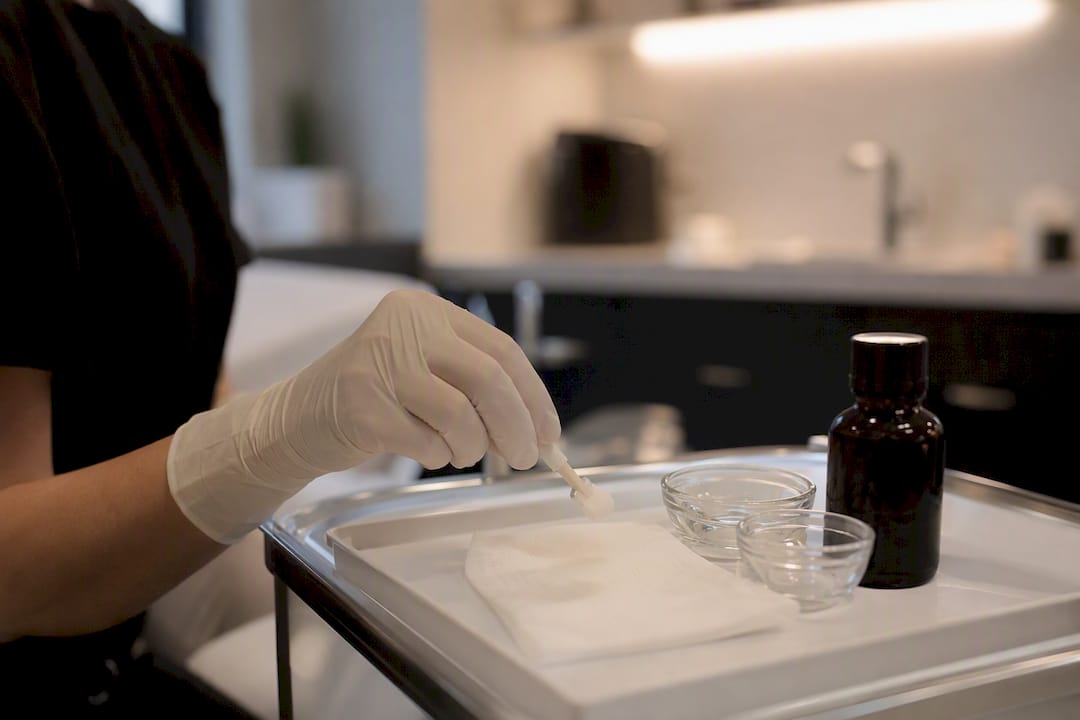
Deep peels use phenol or high-concentration TCA to reach the mid-dermis, targeting severe sun damage, deep wrinkles, and significant scarring. Recovery can take two to three weeks, sometimes longer, and the procedure is performed in a medical setting with cardiac monitoring because phenol absorption carries genuine cardiovascular risk. Costs range from about one thousand dollars to several thousands, consistent with an average figure reported by ASPS in that range.
The Mayo Clinic’s overview of chemical peel depths confirms this recovery timeline pattern, and it’s worth reading before you commit to anything beyond a light peel. Who can legally perform each depth also varies by state. Superficial peels usually sit within esthetician scope of practice, but medium and deep peels are classified as medical procedures requiring physician oversight in most jurisdictions, which is a big part of why the price jumps so sharply once you cross that line.
How Much Does a Chemical Peel Cost, Line by Line?
The number a clinic quotes you rarely tells the whole story. A single medium peel advertisement price often excludes additional fees, so understanding all components included helps in accurate provider comparison.
Here’s what typically factors into a full quote:
- Consultation fee: $0 to $150, often waived if you book the procedure the same visit.
- Provider/procedure fee: the bulk of the cost, ranging from $150 for a light peel to $2,000+ for a deep phenol peel performed by a dermatologist.
- Solution and materials: usually bundled into the procedure fee, but some clinics itemize it separately at $50 to $200.
- Facility charge: relevant mainly for deep peels performed in an accredited surgical setting, adding $200 to $500.
- Anesthesia or sedation: local anesthesia for deep peels can add $100 to $400; some phenol peels require IV sedation, which raises costs further.
- Post-care kit: healing ointments, sunscreen, and gentle cleansers, typically $50 to $150.
- Follow-up visits: some practices include one or two check-ins in the package price; others bill $75 to $150 per visit.
Bundled pricing is common for medium and deep peels, where the quoted price covers the procedure, facility use, and initial follow-up as a package. Superficial peels are more often sold as individual sessions or discounted series, since most people need repeat treatments to see cumulative results. Always ask whether the number you’re given is the full package or just the procedure fee.
What Drives the Price of a Chemical Peel Up or Down?
Two clinics offering the “same” peel can charge wildly different prices, and most of that gap comes down to five factors.
Provider credentials matter more than almost anything else. A board-certified dermatologist performing a medium peel will typically charge more than a supervised esthetician at a med-spa, and industry cost comparisons show that pricing gap at 20% to 40% for light-to-medium treatments. For anything beyond superficial depth, that premium buys you medical training that matters if complications arise.
Clinic setting shapes overhead. A medical office with on-site emergency protocols costs more to run than a standalone med-spa, and that overhead shows up in the invoice.
Treatment area changes the math directly. A face-only peel costs less than face-plus-neck or face-plus-chest, since more surface area means more solution and more provider time.
Anesthesia needs for deep peels add real monitoring costs, and post-care inclusions like healing kits or scheduled follow-ups can shift an advertised price by several hundred dollars once you read the fine print.
Pro Tip: Ask every provider for a written, itemized quote before you book. A price that looks $300 cheaper on the phone can turn into the same total once facility fees and post-care kits get added at checkout.
Does Chemical Peel Pricing Vary by U.S. City?
Yes, significantly. Major coastal metropolitan areas often have prices notably higher than the national average for the same peel depth, largely due to increased real estate and labor costs for licensed providers.
Representative patterns you’ll find in 2026 clinic pricing:
- New York City and the greater Northeast: medium peels often start closer to $800 to $900, deep peels frequently exceed $2,000.
- Los Angeles and coastal California: similarly elevated, with clinic pricing surveys showing medium peels in the $700 to $1,400 range and premium phenol peels pushing past $2,500.
- Florida: pricing tends to sit closer to national averages, though South Florida markets skew higher than the panhandle or inland cities.
- Texas and the Midwest: generally the most affordable major markets, with light and medium peels often priced at or below the national low end.
City-to-city differences within a single state can be just as wide as regional ones, and adding a second treatment area, like neck or chest, adds cost regardless of location.
Will Insurance or FSA Funds Cover Any of the Cost?
Almost never, if the peel is cosmetic. Insurance treats chemical peels as elective unless the procedure addresses a diagnosed medical condition, such as actinic keratoses (precancerous sun damage) that a dermatologist documents as medically necessary. That distinction is worth raising at your consult, since it can change your entire payment picture.
For purely cosmetic peels, most patients pay through:
- Credit or clinic financing plans, sometimes offered interest free for a set period.
- FSA/HSA funds, though eligibility depends on medical necessity documentation. A cosmetic-only peel typically doesn’t qualify; check with your plan administrator before assuming it will.
- Package pricing for peel series, which can lower the per-session cost compared to booking individually.
Budget beyond the procedure fee, too. Time off work after a medium or deep peel, extra sunscreen and healing products, and follow-up visit charges all add real dollars to your total spend.
How Do You Compare Quotes and Pick the Right Provider?
Comparing peel quotes is harder than comparing most cosmetic procedures because the “same” treatment name can describe very different acids, concentrations, and aftercare packages. Work through this checklist before booking anything beyond a superficial peel.
- Confirm the provider’s credentials. Ask directly whether a board-certified dermatologist will perform the peel or supervise it, especially for medium or deep depth.
- Get the exact formulation and concentration. “TCA peel” can mean 15% or 35%, and that difference changes both results and price.
- Ask what’s included in the quoted price. Does it cover the consult, facility fee, post-care kit, and a follow-up visit, or are those billed separately?
- Ask about their complication protocol. A provider who can’t clearly explain what happens if you have an adverse reaction is not one to book with.
- Request written informed consent documentation before the day of treatment, not handed to you as you’re sitting in the chair.
- Compare the total, not the headline number. A $600 quote with three add-on fees can end up costing more than an $800 all-inclusive quote.
Pro Tip: A price that’s dramatically below every other quote you’ve gotten for the same peel depth is a red flag, not a deal. Ask specifically what’s being left out.
Reading how to prepare for a chemical peel before your consult also helps you ask sharper questions and avoid surprise costs tied to pre-treatment products or skipped prep steps.
What Costs Do Patients Often Miss Before Booking?
In clinical practice, the costs that catch patients off guard aren’t the procedure fee. They’re the separate consultation charge some offices bill regardless of whether you proceed, the post-care kit marked as “required” rather than optional, and the follow-up visit that wasn’t mentioned until after the peel was already scheduled.
Patients who ask about bundled pricing upfront, disclose all current medications and skin products, and plan realistic downtime tend to avoid the majority of surprise charges we see after the fact.
Disclosing retinoids, blood thinners, or recent procedures matters both for safety and for cost. Some contraindications mean rescheduling, which can trigger a second consult fee.
Our Take on Chemical Peel Pricing
Most advice on chemical peel cost stops at the headline number, and that’s exactly where it fails patients. The real budgeting question isn’t “what does a peel cost,” it’s “what does a finished peel cost,” including the consult, the post-care kit, and the follow-up nobody mentioned at booking. Clinics that quote a clean, low number without volunteering those extras aren’t necessarily dishonest, but they’re not doing you a favor either.
The conventional wisdom to “shop around for the best price” also undersells how much credential and setting matter for medium and deep peels. A $300 discount at a med-spa isn’t a bargain if the provider can’t manage a phenol reaction. Rao Dermatology’s clinical experience across our locations backs a simpler priority order: get the consult first, get the itemized quote second, and let price comparison happen only between apples-to-apples offers. Skipping that order is how patients end up paying twice, once for the peel and again for damage control.
— Rao Dermatology
Ready to Get a Real Quote for Your Peel?
Every price range in this guide is a starting point, not your actual cost. The number that matters is the one a board-certified dermatologist gives you after looking at your skin, your goals, and your history. Rao Dermatology’s cosmetic dermatology team provides that exact kind of consult across our California, New Jersey, and New York locations, with transparent quotes that spell out the procedure fee, facility charges, and post-care costs before you commit to anything.
If you’re weighing a light peel for texture or a deeper treatment for sun damage and scarring, our esthetic services page outlines what’s available at each location. Book a consultation to get a written, itemized quote and find out exactly where your treatment falls in the ranges covered above.
This article is general information, not a substitute for advice from a qualified doctor. Consult a qualified healthcare professional about your own circumstances before acting on anything here.
Sources
- ASPS — Chemical peel cost
- Mayo Clinic — Chemical peel overview
- GoodRx — Insurance and dermatology coverage (chemical peels often elective)
FAQ
Is a Chemical Peel Worth the Money?
For sun damage, uneven texture, or mild scarring, a properly matched peel often delivers results comparable to more expensive procedures at a fraction of the cost, particularly at the superficial and medium tiers where downtime is short and results build with repeated sessions.
How Long Will a Chemical Peel Last?
Superficial peels offer temporary brightening that fades within weeks unless repeated in a series, while medium and deep peels can produce texture and pigment improvements that last a year or longer, depending on sun protection and skincare habits afterward.
Do Dermatologists Recommend Chemical Peels?
Board-certified dermatologists commonly recommend peels for sun damage, acne scarring, and pigment issues, though they typically advise the mildest depth that will achieve your goal before escalating to a medium or deep treatment.
What Does Your Face Look Like Three Days After a Chemical Peel?
Three days out, superficial peels usually show mild flaking or redness that’s easy to conceal, while medium peels are often still visibly peeling with pink or tight-feeling skin, matching the five to seven day recovery window typical for that depth.
Recommended
- Chemical Peel Types Guide: Which Treatment Is Best for Your Skin? | Rao Dermatology
- Chemical Peels for Skin Rejuvenation: Benefits, Types & What to Expect | Rao Dermatology
- Chemical Peels for Skin Rejuvenation: Types, Benefits & What to Expect | Rao Dermatology
- Chemical Peel Benefits: Professional Treatment in Manhattan, NY | Rao Dermatology
Filed under: