
Discover effective anti-aging skin care tips tailored for adults 30–55. Uncover daily habits and ingredients that promote youthful skin.
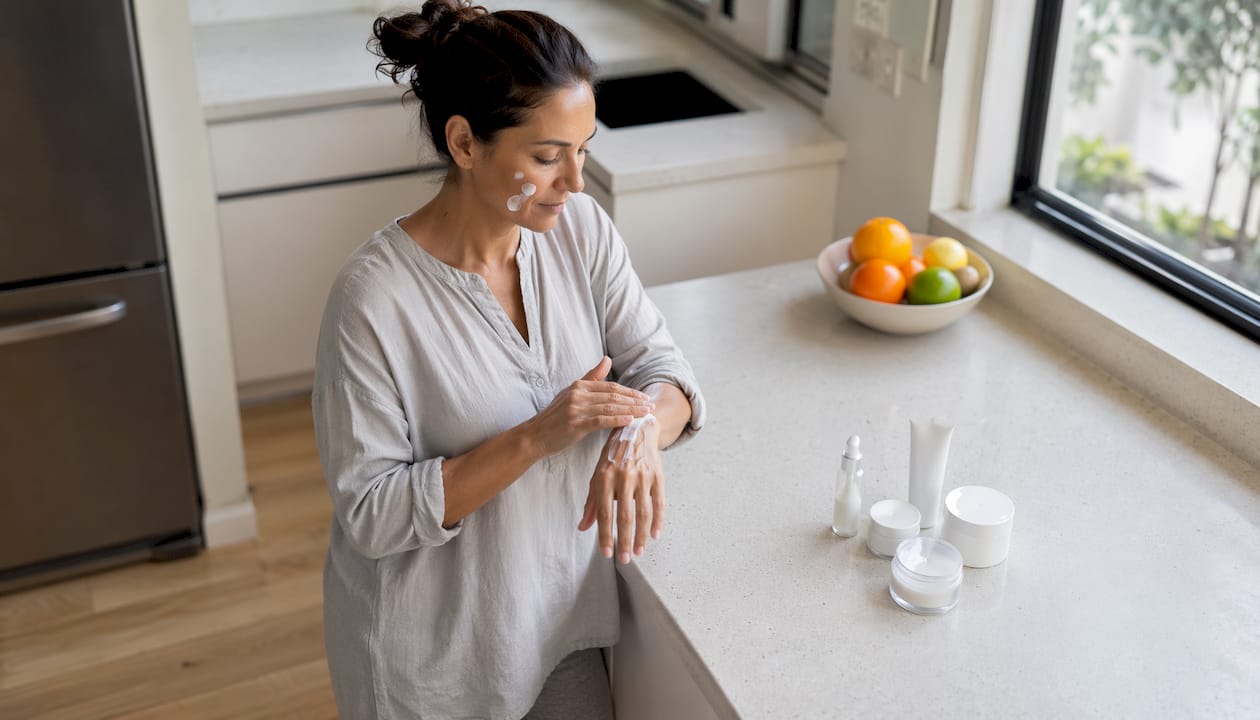
Anti-aging skin care, formally called photoaging prevention and dermal rejuvenation, centers on one non-negotiable daily habit: broad-spectrum sunscreen. Daily sunscreen prevents the activation of matrix metalloproteinases (MMPs), the enzymes that break down dermal collagen and drive visible aging. Beyond sun protection, clinically proven actives like retinoids and antioxidants form the backbone of any effective anti-aging skin care plan. Lifestyle factors, from sleep quality to diet, amplify every topical step you take. This guide covers the most effective anti-aging skin care tips by decade, ingredient, and daily habit so you can build a routine that actually holds up over time.
1. Why sunscreen is the most effective anti-aging skin care tip
UV radiation degrades collagen by triggering MMP activity deep in the dermis. That process causes fine lines, loss of elasticity, and uneven pigmentation years before most people notice it. Blocking UV exposure daily is the single highest-return step in any anti-aging skincare checklist.
Apply a broad-spectrum SPF 30 or higher every morning, even on cloudy days and when working indoors near windows. UVA rays penetrate glass and drive photoaging regardless of visible sunlight. Reapply every two hours when outdoors.
- Choose mineral sunscreens with zinc oxide or titanium dioxide for sensitive or reactive skin.
- Use a separate SPF product rather than relying on SPF in foundation, which is rarely applied thickly enough.
- Apply sunscreen as the last step of your morning routine, after moisturizer.
- Protect your neck, chest, and hands, which age visibly and are often neglected.
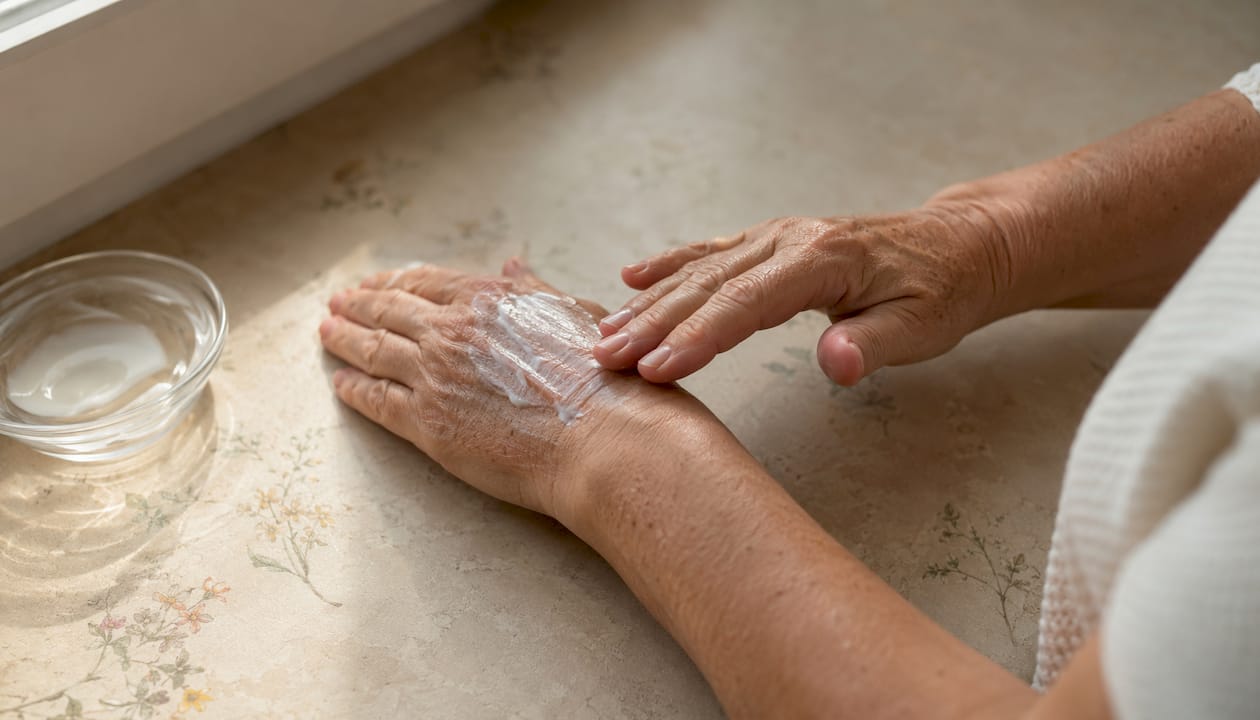
Pro Tip: Apply sunscreen to the back of your hands every morning when you apply it to your face. Hands show age as clearly as the face does, and the habit costs nothing extra.
For a deeper look at long-term sun damage and why treating it early matters, Raodermatology has published clinical guidance worth reading.
2. How retinoids and antioxidants work together for younger skin
Retinoids are the most clinically supported topical actives for reducing wrinkles naturally. They stimulate collagen synthesis, accelerate cell turnover, and improve skin texture over consistent use. Starting at 0.025–0.05% concentration, applied two to three nights per week, gives your skin time to adapt without barrier disruption.
Antioxidants, particularly vitamin C, fight oxidative stress caused by UV exposure and pollution. Applied in the morning, vitamin C serum brightens skin tone and supports the collagen your retinoid is building at night. The combination addresses aging from two directions at once.
- Start retinoids on dry skin to reduce irritation. Apply moisturizer 10 minutes before or after.
- Use a stable vitamin C formulation (L-ascorbic acid at 10–20%) stored in a dark, airtight bottle.
- Expect some initial flaking or redness with retinoids. This typically resolves within four to six weeks.
- Never layer retinoids and vitamin C in the same application. Use vitamin C in the morning and retinoids at night.
Pro Tip: If retinoid irritation is a problem, try the “sandwich method”: apply a thin layer of moisturizer, then your retinoid, then another thin layer of moisturizer. It slows absorption and reduces flaking without eliminating effectiveness.
Layering antioxidants in the morning and retinoids at night maximizes the benefit of both actives and avoids interaction risks that reduce their potency.
3. How skin care routines change across your 30s, 40s, and 50s
Skin biology shifts meaningfully each decade. A routine that worked at 32 will not deliver the same results at 47. Skincare goals evolve by decade, and matching your ingredients to your skin’s current needs is what separates effective aging prevention from wasted effort.
| Decade | Primary skin concern | Key ingredients to prioritize |
|---|---|---|
| 30s | Prevention and early correction | Antioxidants, low-strength retinoids, SPF |
| 40s | Collagen support and pigment control | Peptides, niacinamide, richer moisturizers |
| 50s | Barrier repair and restoration | Ceramides, hyaluronic acid, gentle retinoids |
In your 30s, the focus is prevention. Collagen loss begins in your mid-20s at roughly 1% per year, so starting retinoids and antioxidants early builds a strong foundation. A lightweight moisturizer and daily SPF complete the core routine.
In your 40s, pigmentation becomes more visible and the skin barrier starts to thin. Peptides support collagen structure, and niacinamide addresses uneven tone without irritation. Switch to a richer moisturizer, particularly if your skin feels tight after cleansing.
In your 50s, the priority shifts to barrier repair. Ceramides restore the lipid layer that keeps moisture in and irritants out. Hyaluronic acid adds surface hydration. Continue retinoids at a pace your skin tolerates, and avoid over-exfoliating, which strips a barrier that is already working harder to stay intact.
Raodermatology’s dermatologist-recommended skincare routines offer age-specific guidance grounded in clinical practice.
4. Which lifestyle factors accelerate or slow skin aging
Topical products address the surface. Lifestyle factors determine what is happening underneath. The six pillars of lifestyle medicine, which include nutrition, exercise, sleep, stress management, toxic exposure avoidance, and social connection, all directly modulate oxidative stress, inflammation, and collagen breakdown in the skin.
Nutrition shapes skin aging at the cellular level. A Mediterranean-style diet rich in polyphenols, omega-3 fatty acids, and antioxidants reduces glycation, the process where sugar molecules damage collagen fibers and make skin stiff and dull. Processed foods and excess sugar accelerate this process.
Exercise promotes mitochondrial function in skin cells. Better mitochondrial health means more efficient cellular repair and stronger dermal tissue over time. Even moderate aerobic activity three to four times per week produces measurable benefits for skin quality.
Sleep and stress regulation reduce inflammatory pathways that impair barrier repair overnight. Chronic stress elevates cortisol, which breaks down collagen and disrupts the skin’s ability to retain moisture. Seven to nine hours of quality sleep each night is not optional for skin health. It is when the skin does its most intensive repair work.
- Avoiding tobacco, alcohol, and pollution reduces oxidative damage that accelerates visible aging.
- Smoking constricts blood vessels in the skin, reducing oxygen and nutrient delivery to dermal cells.
- Alcohol dehydrates the skin and depletes vitamin A, which the skin needs for cell turnover.
- Air pollution generates free radicals that degrade collagen and trigger pigmentation.
Raodermatology’s guide on how sleep affects your skin explains the overnight repair cycle in practical terms worth reviewing.
5. How to build an effective anti-aging skincare workflow
Structure matters as much as ingredient selection. An effective anti-aging skincare workflow follows a consistent morning and evening sequence that layers products in the right order for maximum absorption and minimum irritation.
Morning routine:
- Gentle cleanser (avoid stripping formulas)
- Vitamin C serum or antioxidant treatment
- Moisturizer appropriate for your skin type
- Broad-spectrum SPF 30 or higher
Evening routine:
- Double cleanse if you wear sunscreen or makeup
- Retinoid (two to three nights per week when starting out)
- Moisturizer or barrier-repair cream
Avoiding sudden introduction of multiple actives prevents barrier disruption and keeps your skin improving steadily. Add one new product at a time, wait two to three weeks, and assess before adding another.
Patience is not optional. Visible improvement from anti-aging products requires a minimum of 8–12 weeks. Skin turnover and collagen remodeling are slow biological processes. Abandoning a routine at week four because you see no change is the most common mistake people make.
Pro Tip: Take a photo of your skin in the same lighting every four weeks. Side-by-side comparisons reveal gradual improvements that are invisible day to day, and they keep you consistent when progress feels slow.
A step-by-step skin care routine from Raodermatology walks through the full layering sequence with clinical reasoning behind each step.
6. What separates proven anti-aging products from marketing noise
A significant disconnect exists between aggressive marketing claims and the clinical evidence behind many anti-aging products. The skincare industry generates enormous revenue from trending ingredients that have little peer-reviewed support. This does not mean all new ingredients are ineffective. It means you should prioritize proven staples and treat everything else as optional.
The ingredients with the strongest clinical evidence are retinoids, broad-spectrum sunscreen, vitamin C, niacinamide, ceramides, and hyaluronic acid. Every other ingredient should be evaluated against that standard. If a product cannot explain its mechanism of action in plain terms, the evidence is probably thin.
Dermatologists advocate a layered, staged approach to aging, focusing first on prevention and structural support before correction. That means building a consistent foundation before adding expensive serums or professional treatments. The foundation always wins over novelty.
Evaluating products against scientific evidence rather than marketing is a discipline that applies across health and wellness categories. The same critical lens that works for evaluating wellness claims works for skincare.
Key takeaways
Consistent daily sunscreen use combined with clinically proven actives like retinoids and antioxidants, supported by lifestyle habits, delivers the most reliable anti-aging results over time.
| Point | Details |
|---|---|
| Sunscreen is non-negotiable | Broad-spectrum SPF 30+ daily prevents MMP activation and collagen breakdown. |
| Retinoids require a slow start | Begin at 0.025–0.05% two to three nights per week to avoid barrier disruption. |
| Routines evolve by decade | Match ingredients to your 30s, 40s, or 50s skin biology for the best outcomes. |
| Lifestyle amplifies topicals | Sleep, diet, exercise, and stress management directly affect collagen and skin repair. |
| Results take 8–12 weeks | Skin remodeling is slow. Consistency over months beats intensity over days. |
What I have learned about anti-aging skin care after years of watching patients
The patients who age best are almost never the ones chasing the newest product. They are the ones who picked a solid routine in their 30s and stuck with it. That observation has shaped how I think about anti-aging skin care more than any clinical study.
The hardest thing to sell is patience. People want to see results in two weeks. When they do not, they switch products, layer in three new actives, and wonder why their skin is suddenly reactive. The skin does not reward urgency. It rewards consistency.
I am also skeptical of complexity for its own sake. A five-step routine done every day beats a twelve-step routine done three times a week. The best long-term outcomes come from gradual, intentional management, not from dramatic interventions. That applies to topical products and to professional treatments alike.
The lifestyle piece is underrated. I have seen patients with excellent topical routines who smoke, sleep five hours a night, and eat poorly. Their skin tells the story. No serum compensates for chronic cortisol elevation or oxidative damage from tobacco. The skin is a reflection of the whole body, and treating it that way changes outcomes.
My honest advice: start with sunscreen, add a retinoid, eat well, sleep enough, and give your routine three months before you judge it. That is not a glamorous protocol. It is the one that works.
— Krunal
Professional skin care support from Raodermatology
At-home routines build the foundation. Professional treatments take results further when the foundation is already solid.

Raodermatology offers personalized cosmetic dermatology services across California, New Jersey, and New York, including treatments that address collagen loss, pigmentation, and skin texture concerns that topical products cannot fully resolve. The practice’s licensed estheticians provide facial and esthetic services designed to complement your daily routine, not replace it. With 25+ years of clinical experience, Raodermatology’s team builds treatment plans around your skin’s actual biology, not a generic protocol. View the full range of dermatology services to find the right next step for your skin.
FAQ
What is the single most effective anti-aging skin care step?
Daily broad-spectrum sunscreen is the most effective anti-aging step. It prevents UV-driven collagen breakdown and pigmentary changes that drive visible aging.
When should I start using retinoids?
Start retinoids in your 30s at a low concentration of 0.025–0.05%, applied two to three nights per week. Early use builds collagen before significant loss occurs.
How long does it take to see results from an anti-aging routine?
Visible improvement requires at least 8–12 weeks of consistent use. Skin turnover and collagen remodeling are biological processes that cannot be rushed.
Do lifestyle habits really affect how my skin ages?
Yes. Nutrition, sleep, stress, exercise, and avoiding tobacco and alcohol all modulate oxidative stress and collagen breakdown at the cellular level.
Should I use different products in my 40s than in my 30s?
Yes. In your 40s, prioritize peptides, niacinamide, and richer moisturizers to address collagen loss and pigmentation. In your 50s, shift toward ceramides and barrier-repair formulas.
Recommended
- Dermatology’s Role in Healthier, Younger-Looking Skin | Rao Dermatology
- Professional Skin Rejuvenation Treatments: Reverse Aging Signs Without Surgery | Rao Dermatology
- Skin Health Improvement Tips That Actually Work | Rao Dermatology
- National Healthy Skin Month: Essential Dermatologist-Approved Tips for Year-Round Skin Health | Rao Dermatology
Filed under: